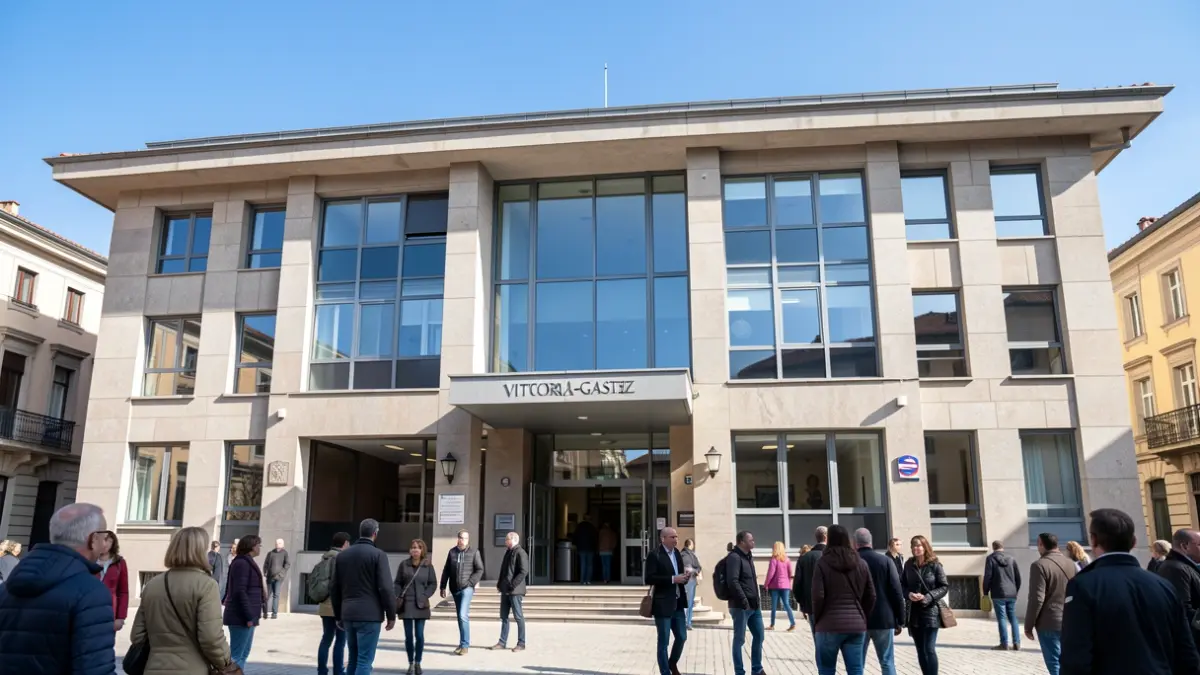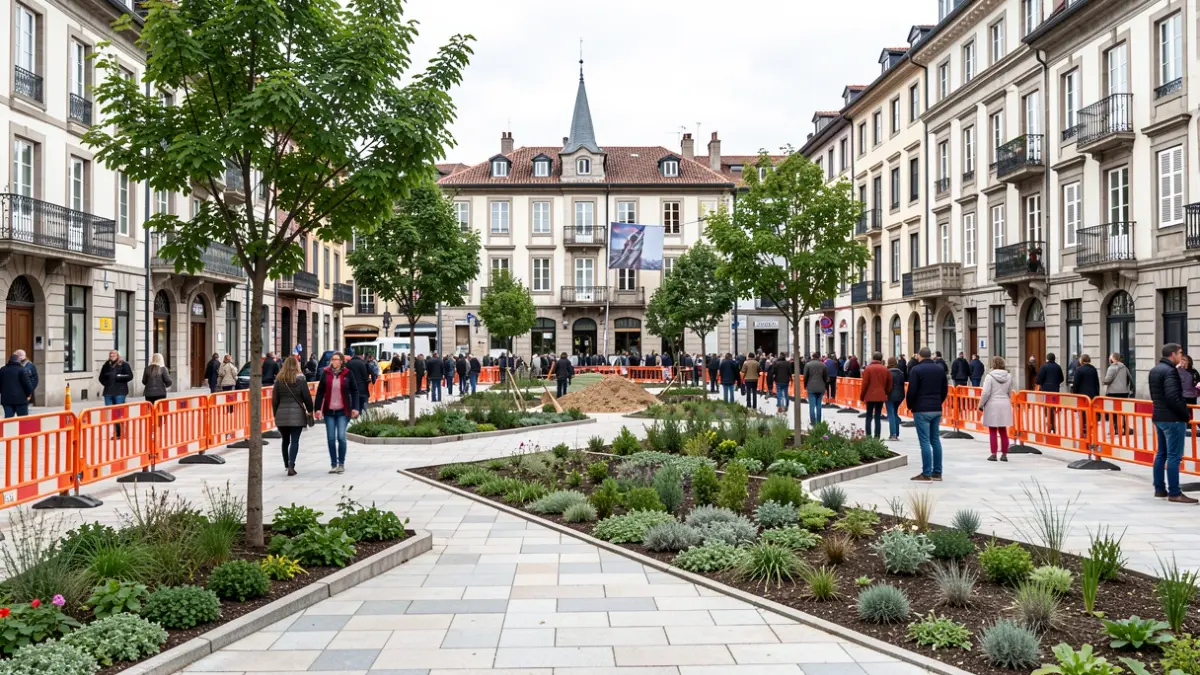
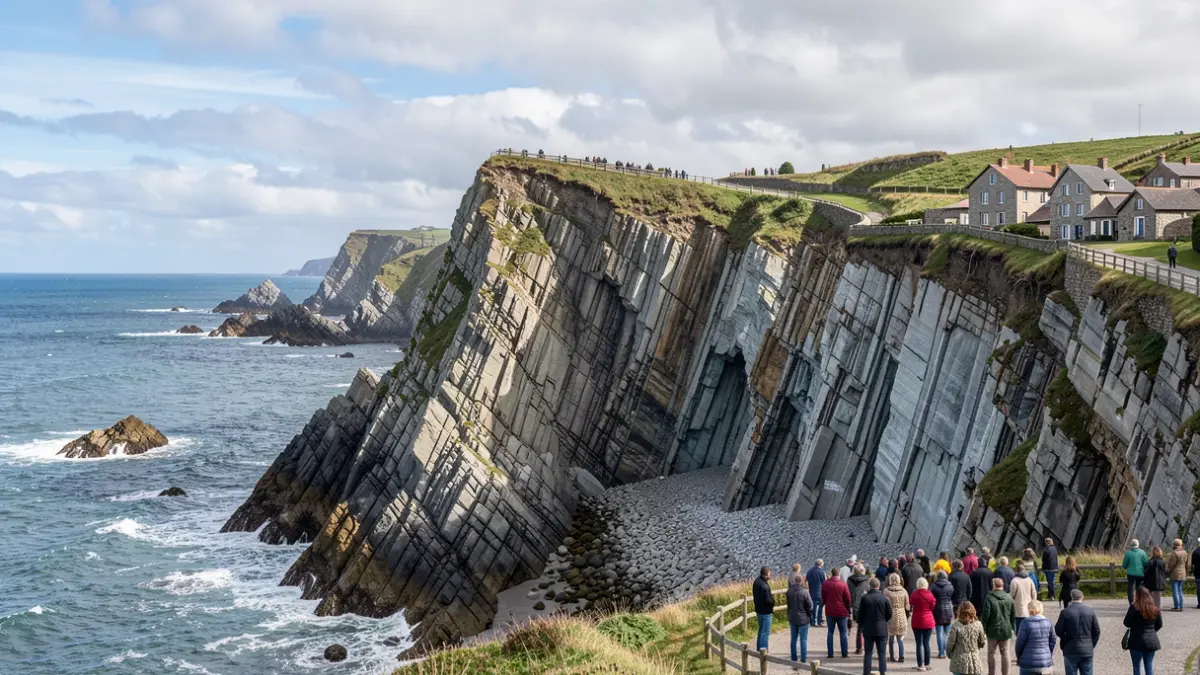
Deba, Mutriku, and Zumaia have hosted the XI Open Days of the Spanish Network of UNESCO Global Geoparks (REGM), which concluded with great success in participation and content. Representatives from 18 geoparques across Spain gathered to reflect and share experiences on heritage interpretation and communication, collaborating with associations, businesses, and citizens, both local and international.
This year, under the theme "Everything Counts: Interpreting and Communicating a Geopark", the conference focused on the communication and interpretation of geoparques, yielding interesting results. On the eve of the meeting, a welcome event was held on Tuesday at the Deba Town Hall for about thirty mayors from various REGM network municipalities. The mayor of Deba, Alazne Txurruka, extended a warm welcome to the convened representatives, alongside the mayors of the other two Geopark localities: Ainhize Azpiazu of Mutriku and Iñaki Ostolaza of Zumaia. This is the first time such an event has been held within the framework of the open days, aiming to provoke reflection among mayors to agree on a common position for facing upcoming challenges.
The main event of the XI Open Days took place on October 7th at the Aita Mari Theatre in Zumaia. The day began with an official institutional opening, featuring participation from Iñaki Ostolaza (Mayor of Zumaia), Ainhize Azpiazu (Mayor of Mutriku and President of Geoparkea), Karmah Salman (REGM Coordinator), Isabel Ortega (Deputy Secretary-General of the Spanish National Commission for Cooperation with UNESCO), Clara Navas (Director of Tourism for the Department of Tourism, Trade, and Consumption of the Basque Government), and Adolfo Uriarte (Director of Natural Heritage and Climate Change Adaptation of the Basque Government). Kristof Van den Bergeht, head of the Earth Sciences and Geoparks Sector at UNESCO, intervened via a pre-recorded video.
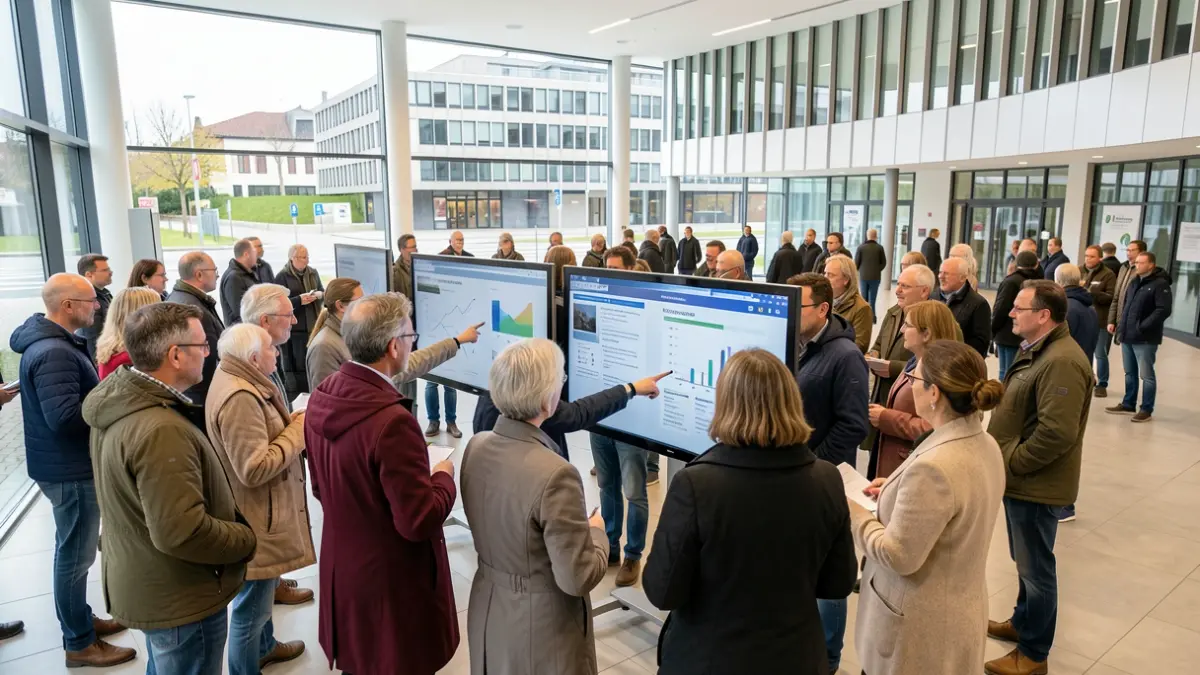
Subsequently, a continuous reading of the History of the Earth was conducted under the direction of Asier Hilario, where an original narrative united the 18 State geoparks along a temporal geological timeline, creating a shared history. This was followed by round tables where participants analyzed how the history of the Earth is disseminated and interpreted in their respective geoparques, focusing on four themes: Panels and Georoutes, Guided Tours, Interpretation Centers, and Educational Materials. Finally, Aroa Costa, a researcher from the University of León, presented the initial conclusions of a neuromarketing study applied to interpretation, conducted last spring at the Basque Coast Geopark.
Following the conference, participants enjoyed three guided tours to explore Zumaia. Divided into groups, they experienced the Flysch on foot and participated in a guided tour about the Basque language and culture titled "The Enigma of Euskera".
On the final day of the conference, two field trips were organized: one to explore the Valley of Prehistory in Deba (HAB) and another to discover the historic center of Mutriku, its municipal fronton, and the spectacular cesta punta game played there.
Next hosts: Galicia. During the closed meeting on Tuesday, it was decided that the Cabo Ortegal geopark will host the 12th edition. The Open Days have been held since 2014 with the aim of strengthening ties between geoparques and making their work visible.