The fast pace of modern society often leads us to forget simple, quality things. An example of this is the traditional bread-making process, once common but now primarily mastered by bakery staff. While there are many types of bread, with countless names and varying baking levels, do they truly match the quality of the loaves from yesteryear?
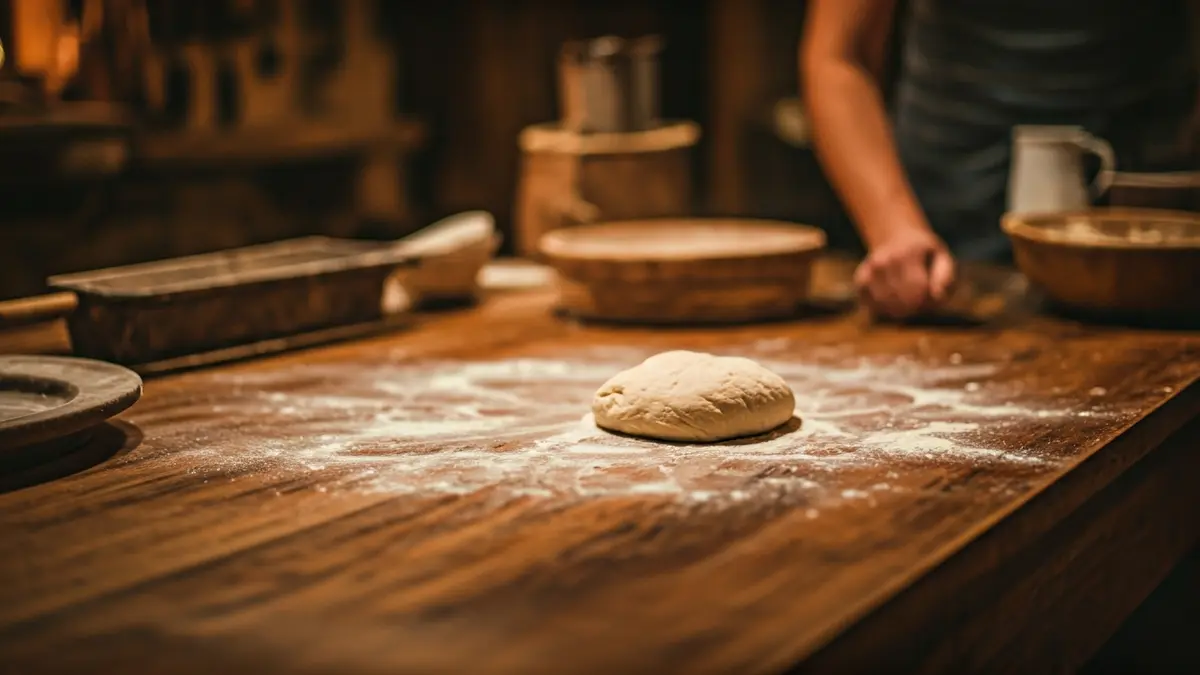
Members of the Artea association, which manages the Artziniega Ethnographic Museum, firmly believe they do not. Consequently, the farmhouse kitchen within the museum will host a traditional kneading workshop followed by baking this Saturday, April 11, from 11:30 AM to 2:00 PM. This activity, open to both children and adults, is free but requires prior registration by calling 945 396 210 or emailing artziniegakomuseoa@gmail.com, as spaces are limited.
The museum, with over four decades of history, demonstrates its capacity for such events through the extensive collection of bread-making tools it houses. These range from instruments for harvesting and gathering wheat in sheaves, through threshing and milling, to the final stages of kneading flour and baking bread in a wood-fired oven.
The collection includes farming tools like scythes, hoes, plows, and harrows, all used for preparing the land. Also featured are sickles, weeders, sheaves, and threshing sledges, employed in the subsequent sowing and harvesting of wheat. Additionally, there is a scale model of a river mill, complete with its stones for converting grain into flour, which was added to the museum's heritage in 2012 thanks to a donation from a resident of Armentia.
The setup is completed by a wood-fired oven for baking bread, which Artea typically sets up at the museum entrance to bake the rolls kneaded by the public during the preceding workshop. A similar situation applies to the hydraulic mills used by local communities to grind grain into flour for bread; an example can be found in the mill of Soxoguti, within Artziniega itself.
The oven was a fundamental piece in our towns and farmhouses; they could be private or communal, but there have always been cases of coexistence of single-family and village ovens. The owners or, where appropriate, the users were responsible for their maintenance, each taking turns, by prior agreement with the others, to bake bread. Many of these ovens have disappeared over the years, leaving us orphaned from a part of our history and architecture.
This single-axis mill utilized the force of the Sojo stream, which flows into the Herrerías, to power its machinery. It is currently non-operational, and the Town Council submitted a proposal to the Álava 2025 Participatory Budgets to secure funding for its repair, but it did not receive sufficient votes.