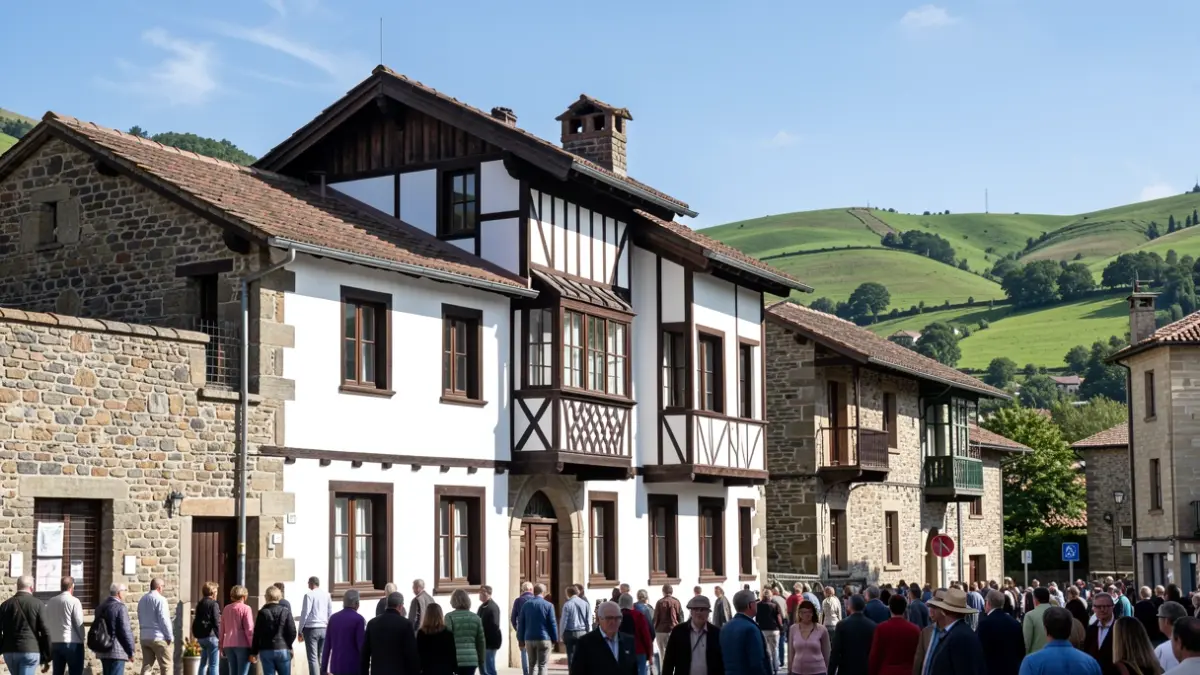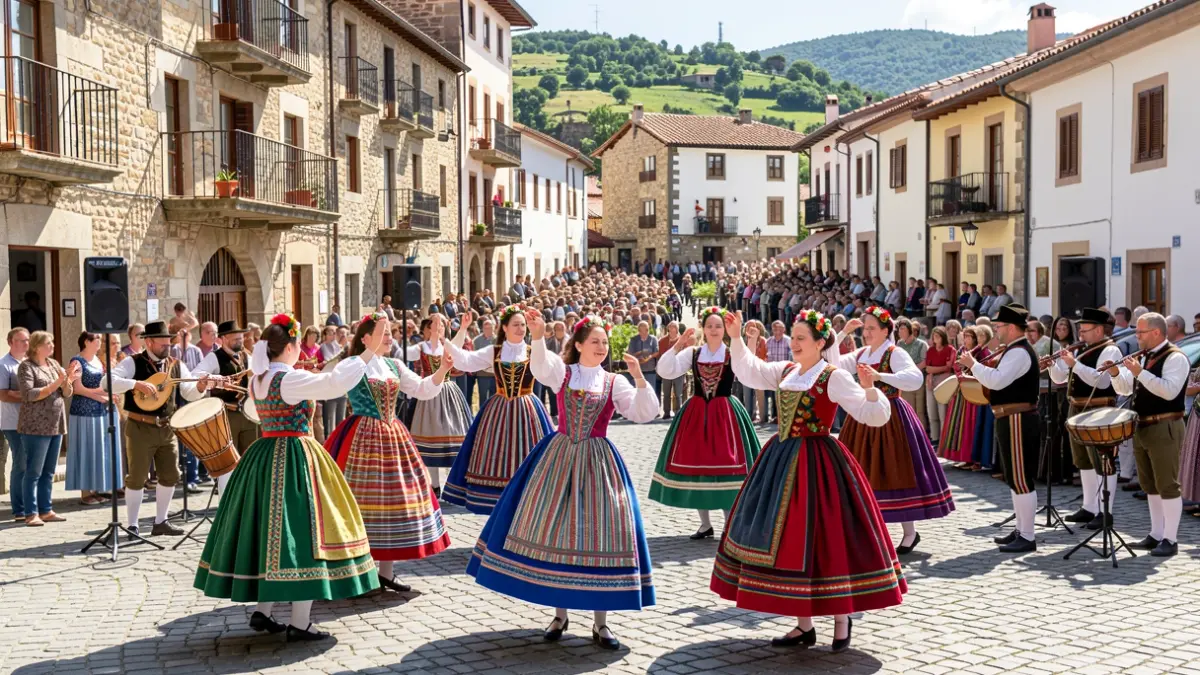
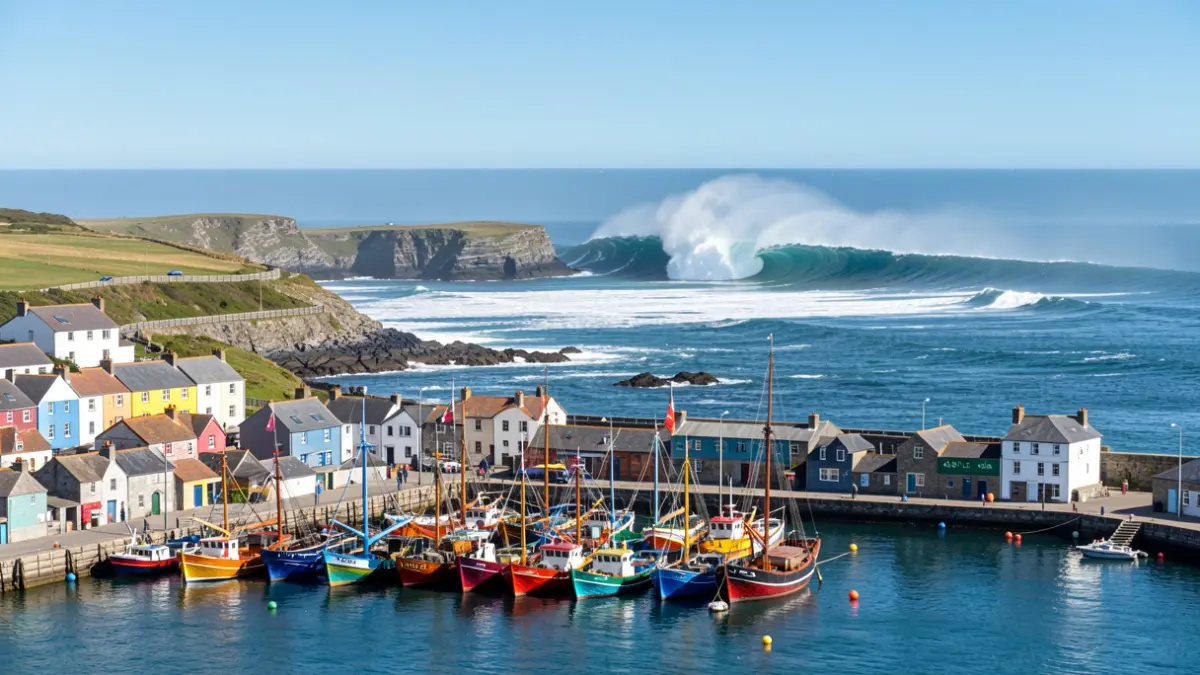
The coast of Euskal Herria offers unique corners that are second to none in the world. Mundaka, located in the heart of the Urdaibai Biosphere Reserve, is globally famous for its iconic left-hand wave, attracting surfers from all continents. However, this fishing village is much more than a surf destination; its strategic location and natural environment make it an ideal place for a full-day excursion.
The essence of this municipality lies in its port, a corner that still holds the charm of ancient Basque whaling towns. The Patronage of the Urdaibai Biosphere Reserve highlights in its guides that this environment represents "an outstanding example of integration between traditional activities and the conservation of a wetland of international importance." Starting the day by strolling among the colorful boats in its port and exploring the narrow streets of the old town is an excellent way to spend a summer day in the locality.
The history of Mundaka is closely linked to the origins of the Lordship of Bizkaia and is shrouded in medieval legends. Tradition has it that in the 10th century, a Scottish ship carrying a princess arrived on its shores, who gave birth to 'Jaun Zuria', considered the first Lord of Bizkaia. Beyond the myth, the town had the honor of occupying the first seat in the General Assemblies of Gernika, showcasing its immense historical weight. Traditional shipyards and deep-sea fishing, especially whale hunting, shaped the lives of its inhabitants for centuries, forming narrow streets that always look towards the Cantabrian Sea.
After exploring the streets of Mundaka, the morning plan can continue with the path leading to the Hermitage of Santa Catalina. This 19th-century temple is, according to the City Council of Mundaka, "a privileged place due to the beauty of the surroundings and its strategic location right at the entrance of the estuary, and a transitional building between Gothic and Renaissance styles." From its meadows, a perfect panorama of the island of Ízaro, the Cape of Ogoño, and the estuary's mouth can be admired, all within a short, flat walk suitable for all ages.
For those seeking a slightly longer and more demanding route, the path connecting Mundaka with the neighboring town of Bermeo is an excellent option. It is a walk of about four kilometers that runs parallel to the coast, offering constant views of the Cantabrian Sea.
The most typical dishes here are fresh fish from the coast, with bonito del norte (tuna) and anchovies as the main ambassadors when in season. Squid and marmitako (tuna stew) are also must-try dishes in any port tavern. These are usually accompanied by a glass of Txakoli de Bizkaia, the local white wine.
Near Mundaka's port, La Leñera bar is a popular spot, highlighted on platforms like TripAdvisor (4.6/5 rating) for its tortilla portions and pintxos. If you prefer to extend your excursion to Bermeo, the Alakrana restaurant is one of the most recommended. Its proposal is based on tuna, the star product of the Bermeo fleet, and pays homage to the town's fishing culture. The restaurant itself defines it as "our way of being: a cuisine based on the product, the sea, and the care for doing things well." Alakrana offers two ways to enjoy tuna: Taberna Alai, a more informal tapas area accessible without reservation, and Jantoki Alai, the main dining room with a waiting list, designed for a more complete experience and for which reservations are almost essential.
To round off the day, the surroundings of Mundaka offer several must-visit attractions, each very different. Inland, the Urdaibai Bird Center interpretation center is a very interesting cultural plan where visitors can observe the wetland's fauna up close using high-powered telescopes and interactive screens. It's an ideal plan for both adults and children. If you prefer to end the day with one of the most spectacular sunsets on the coast of Bizkaia, you can cross to the other side of the estuary by car or take the local train to Laga Beach, located beneath the imposing rock of Ogoño. The beach is also ideal for cooling off on hot summer days.