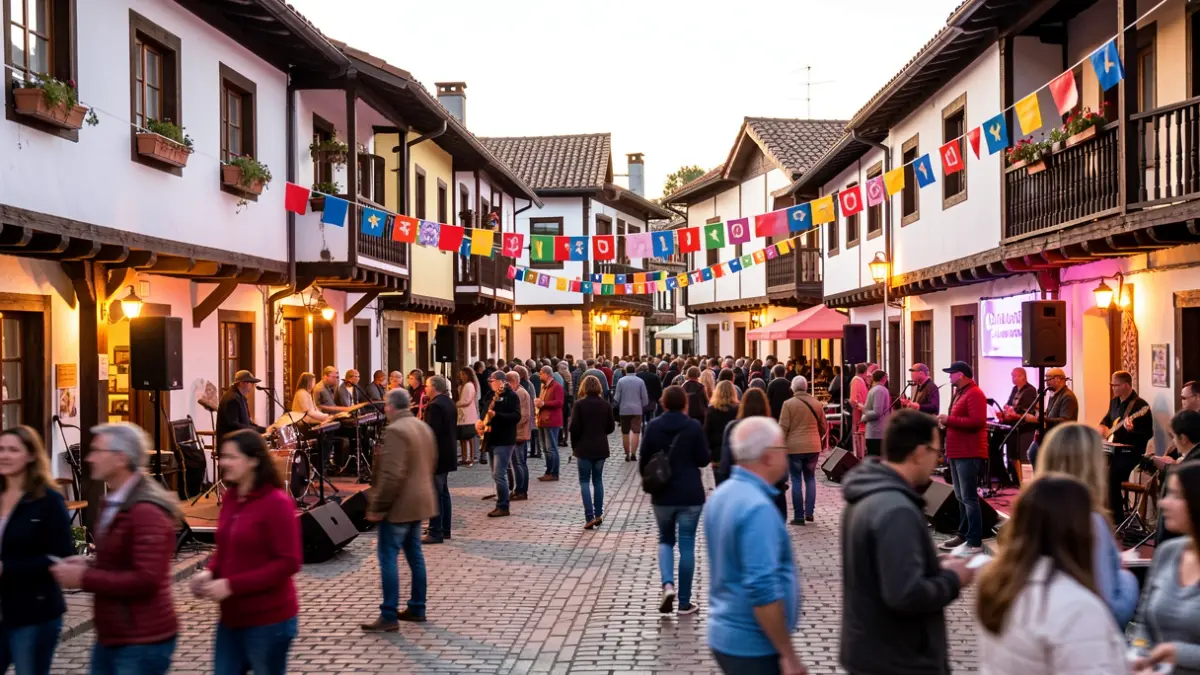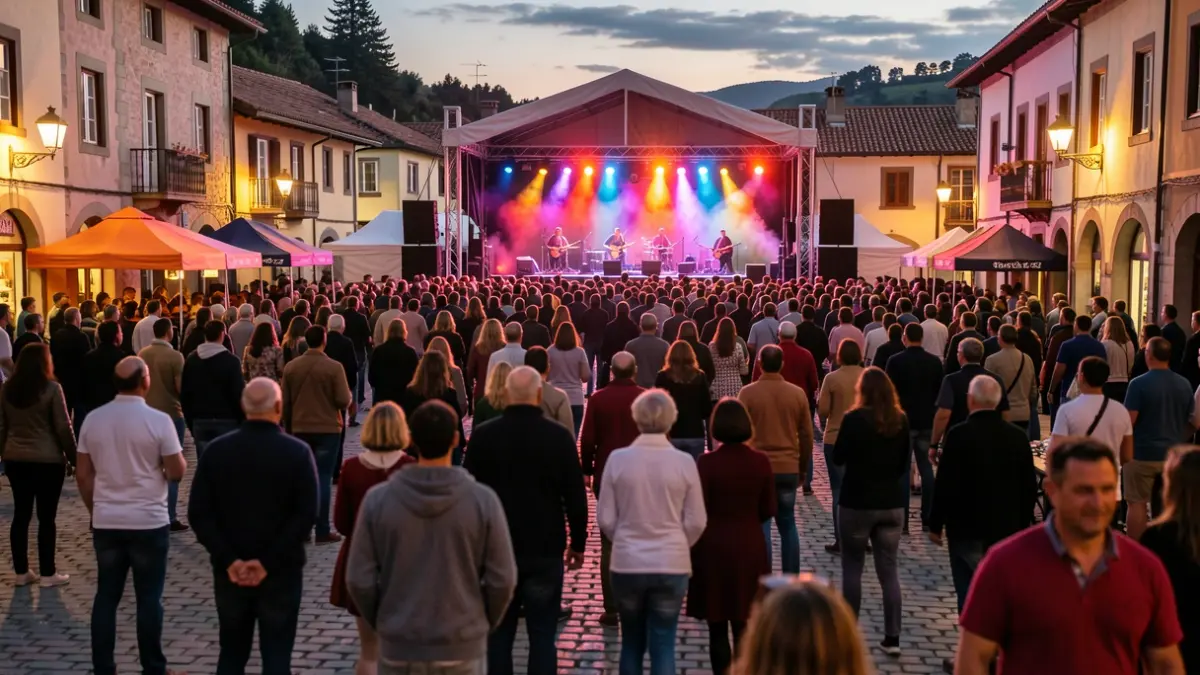
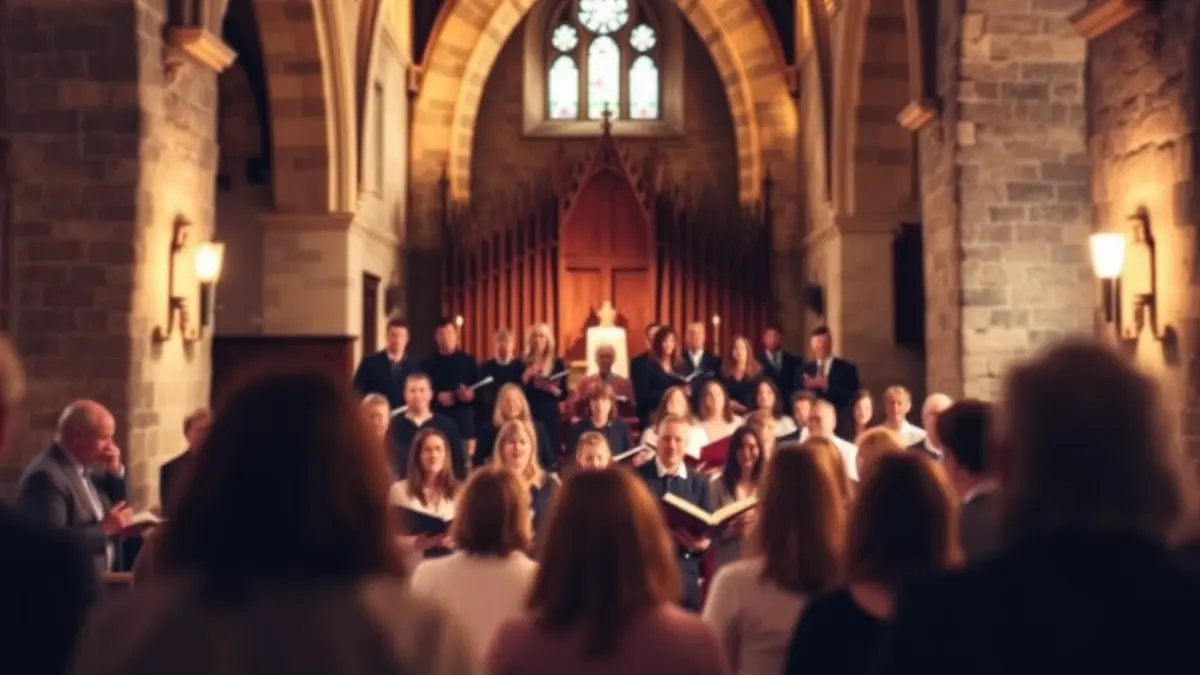
The Orfeón Bermeano, now known as Bermeoko Abesbatza, was officially formed in April 1956, merging local parish choirs with a community desire to sing in harmony. This initiative was not academic but a response to a shared “need to sing” felt by the entire town, as described by its director. In its early years, the choir gathered nearly a hundred mixed voices, quickly establishing itself as one of the most powerful groups in Euskal Herria.
The group's journey has been shaped by figures who guided local talent, such as musicologist José Antonio Egia, who led a golden era of recordings and prestige, and Gaizka San Pedro, who kept the spirit of the formation alive until 1990. It was during this period that the current leadership transition began: Karmele Barrena joined the choir in 1984 and, after training and taking on directorial duties, assumed the role continuously in 1997. Under her baton, Bermeoko Abesbatza has navigated the turn of the century, preserving milestones that define its identity, such as the memory of two albums recorded in the 1960s and the emblematic 20-minute work Poema Bermeo.
“"My intention as director is a demand for quality; that is our strong point."
The director identifies the 50th anniversary celebrated in 2006 as a major turning point, as they managed to mobilize former choristers to create a “powerful” group that remained stable for years. The program for this anniversary aims, once again, to bring choral music to the streets, with a central event on the eve of San Pedro dedicated to all those who have been part of the orfeón, in addition to the traditional Christmas concerts with local musicians.
In the last two years, the group has also traveled to neighboring towns without their own choirs, such as Forua, Murueta, or Sukarrieta. These outings arise from direct management, as explained by the director, allowing the group to step out of its usual environment and collaborate on solidarity causes, such as the exchange they maintain with a choir from Donostia to help the Zaporeak association.
However, the choir is not immune to changes in leisure habits and the difficult generational transition. With an average age of around 60 to 65 years and a majority of female voices, the main challenge is finding people willing to commit to the activity. The director acknowledges that the demands of rehearsals, two days a week from eight to nine-thirty at night, sometimes clash with current lifestyles. Looking to the future, the goal is clear: after seven decades of history and thousands of hours of rehearsal, the objective is to continue with the same dignity as before.