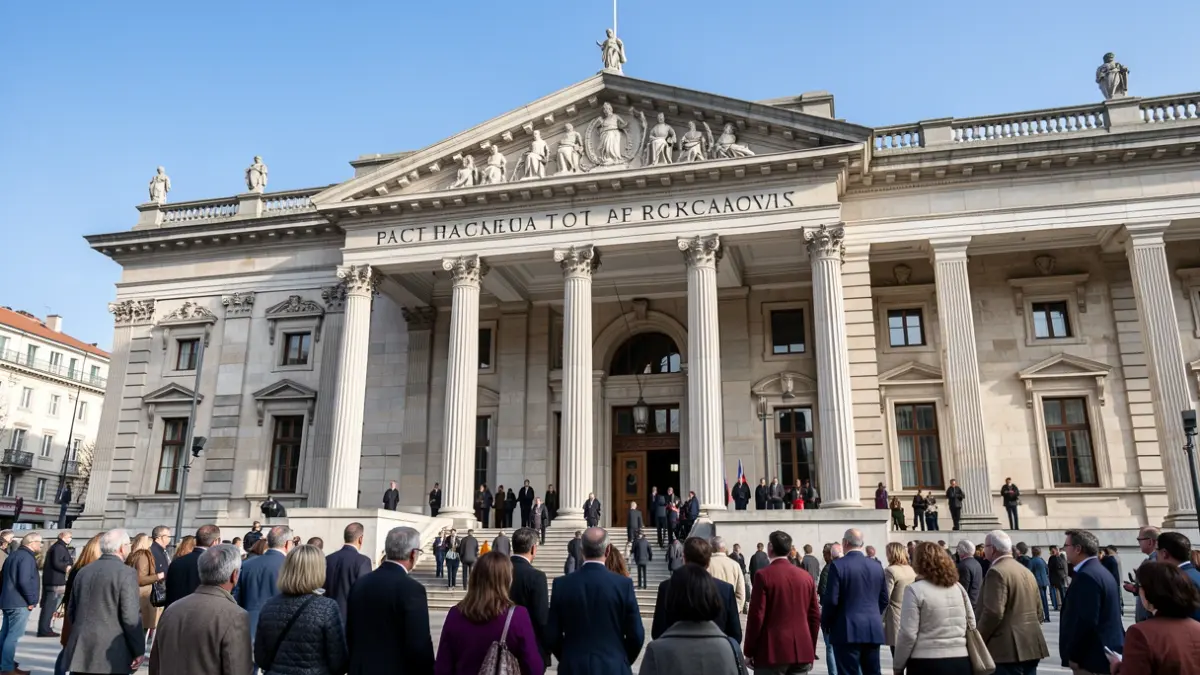
Last week in Brussels, discussions extended beyond fishing to encompass economic models, food sovereignty, political coherence, and, crucially, the future. At the institutional heart of Europe, where regulations impacting thousands of coastal families and territories are decided, the fishing sector once again raised its voice. The clear conviction was not to resist change, but to demand that this change be viable, fair, and grounded in reality.
The debate surrounding Sustainable Fisheries Partnership Agreements led to a clear conclusion: they are an essential tool for European fisheries policy and its external action, but they must evolve. It is no longer sufficient to view them merely as access agreements; they must consolidate into genuine strategic alliances that integrate environmental sustainability, economic development, and social justice.
European fleets and companies cannot be required to meet the world's highest standards while products from third countries that do not meet those same conditions are allowed to enter.
One of the strongest consensuses from the debate was the need to ensure a “level playing field.” This asymmetry is not only unfair but also erodes the economic viability of the European sector and discourages precisely what Europe claims to want to lead: integral sustainability. This gives rise to growing frustration, practical rather than ideological. Regulatory pressure – for example, in decarbonization – is advancing faster than available technical solutions. The ecological transition is essential, but it must be technically and economically viable to avoid expelling activity.
Transparency was another central pillar. Publishing agreements, licenses, and data is not an option but an obligation if trust is to be built. However, this transparency must be global. It cannot fall solely on the European sector while others operate in opacity. The message was clear: without common rules, there is no fair competition or real sustainability.
Finally, financing also played a significant role. The recent announcement of possible cuts in funds allocated to the fishing sector has generated concern, as it directly impacts its ability to compete in a deeply unequal global market. If Europe wishes to remain a leader in sustainability, it must support those who already make it possible.
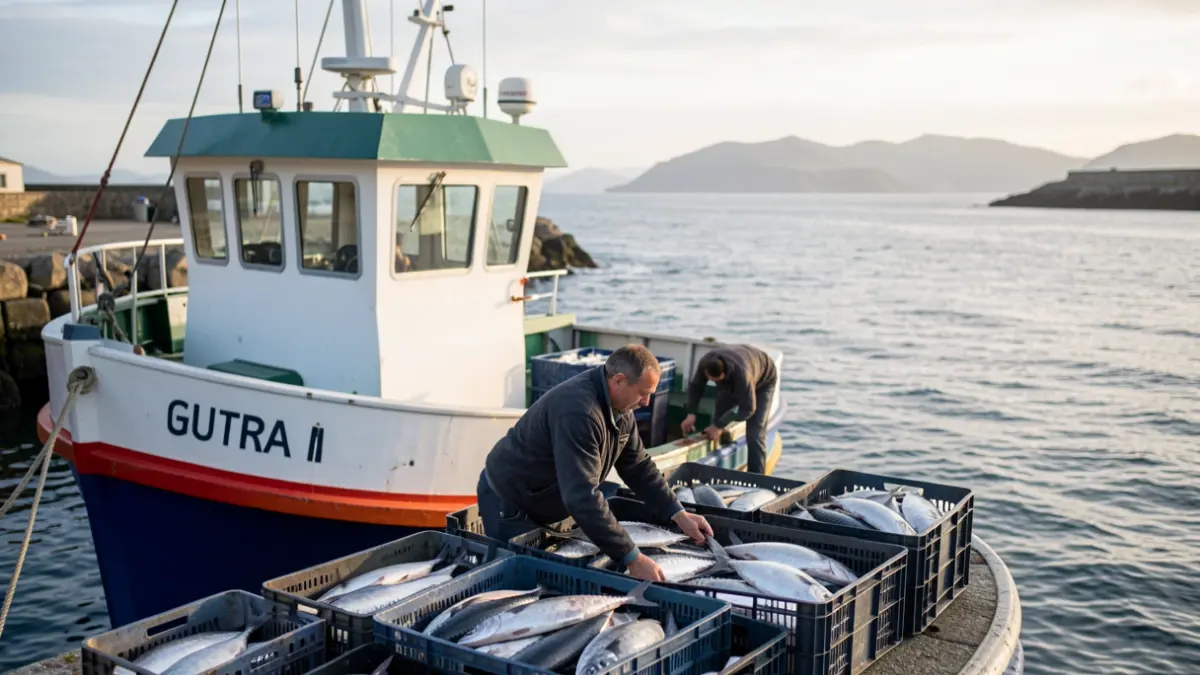
Bermeo Tuna World Capital contributed to this reflection by organizing an event in Brussels that combined gastronomy and narrative to highlight the value of Bermeo's canned products and an entire production model. Behind every can of albacore or tuna, there is much more than just a product: there are boats, crews, industry, knowledge, and a way of understanding work well done. There is environmental, social, and economic sustainability. And, above all, there are people.