After a record-breaking 2025 where cybercrime surged in Bizkaia with 14,387 cases, the first quarter of 2026 has shown a notable decrease. A total of 3,721 cases were recorded in the first three months of the year, down from 3,923 in the previous year. Nevertheless, cybercrimes still account for almost 20% of all offenses in the territory.
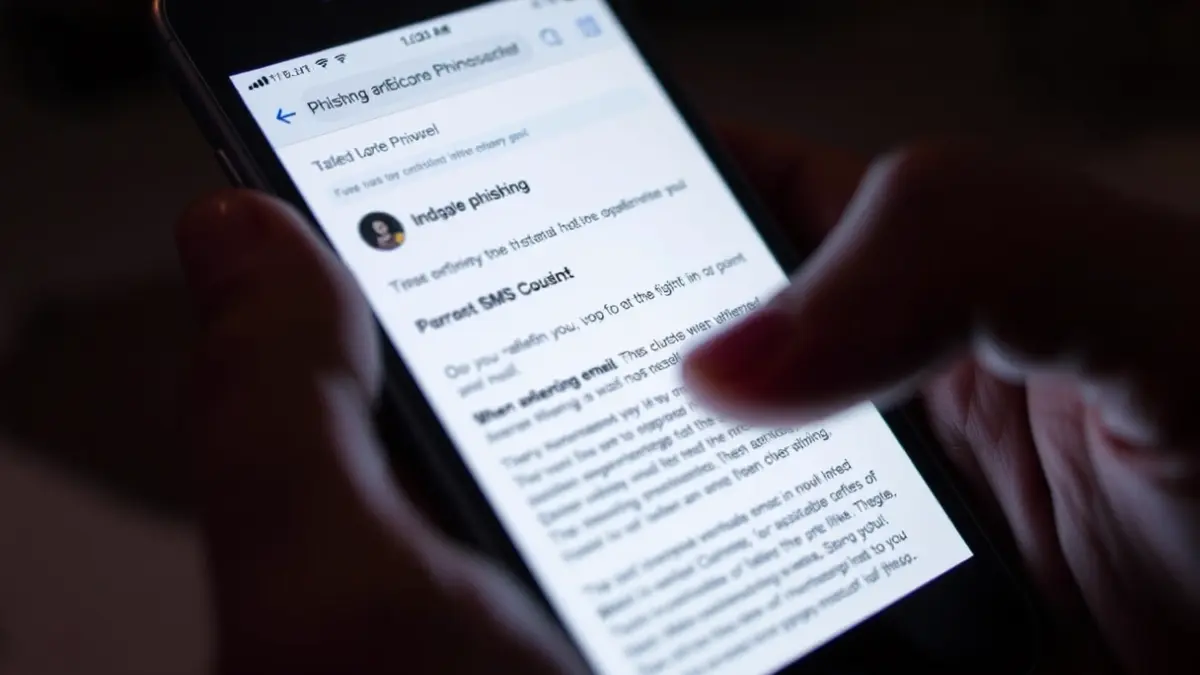
The majority of cybercrime is concentrated in computer scams, with 3,312 registered cases, representing approximately 90% of this type of offense. Most of these scams involve low amounts and are commonly carried out via email, phishing, SMS, or WhatsApp. These operations are designed to deceive users and obtain their personal or financial data.
Recently, the Security Department of the Basque Government announced that the Ertzaintza had become aware of a fraudulent campaign via the WhatsApp application, which is currently active in Bizkaia, Gipuzkoa, and Araba. The scam involves the victim receiving a text message from a number corresponding to a credit card, simulating an official notification from their bank about a potential significant money movement.
“"Should anything happen, please do not delete information from your mobile, the application, or your computer. File a complaint as soon as possible. All this evidence will not only allow us to investigate but will also be made available to the judiciary with all guarantees. That is the key. And the sooner, the better. No one should be afraid to report, as it can happen to any of us."
The message provides a phone number to, supposedly, block the operation. Upon calling, there is no immediate response, but the victim then receives a WhatsApp video call from another number. In this call, an individual presents themselves as a bank representative and urgently requests the client's DNI information, their card's PIN code, and card details to block a suspicious money movement.