
Euskadi registered a 6.6% decrease in work accidents (AT) in 2025 compared to the previous year. The most significant reduction, at 12.8%, occurred in the primary sector, traditionally one of the industries with the highest rates of occupational accidents due to its inherent characteristics and specific associated dangers.
Key risk factors in this sector include the use of heavy machinery (tractor rollovers, entrapments), exposure to and handling of chemical substances, musculoskeletal disorders from heavy lifting, as well as environmental factors and psychosocial risks (stress or isolation). According to Osalan reports, in 2024, industrial workers were 41% less likely to suffer an AT than those in the primary sector, and service workers 69% less likely.
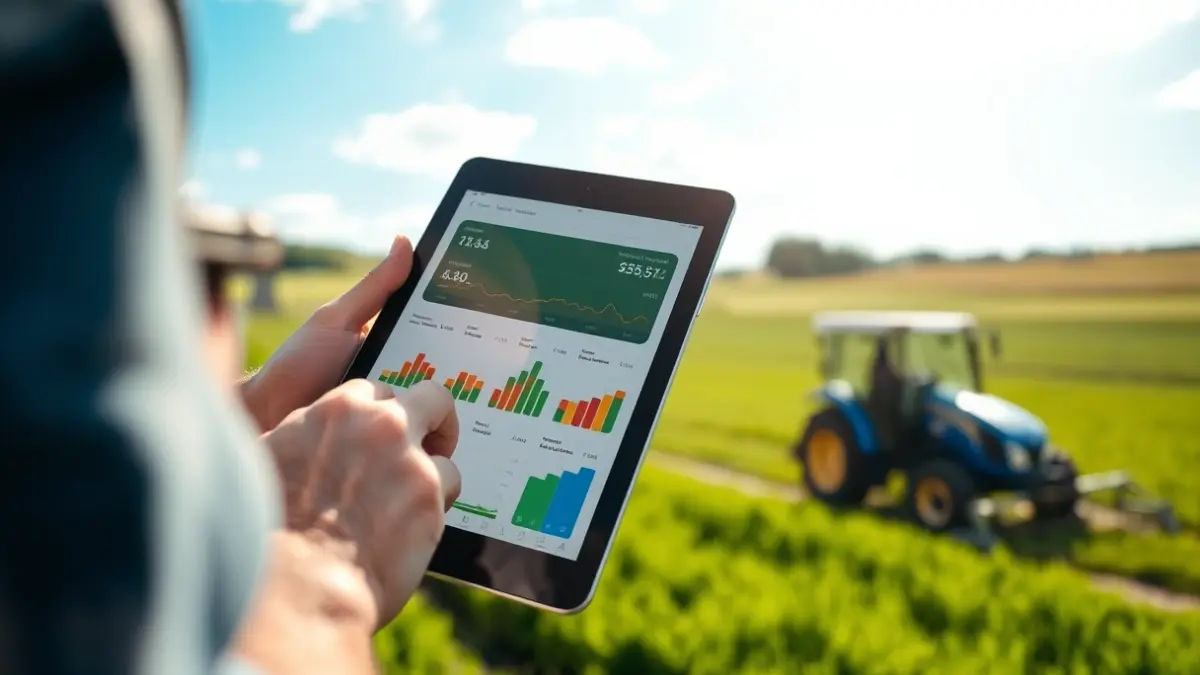
In this scenario, digitalization is profoundly transforming the sector, contributing to risk reduction and efficiency improvement. Artificial Intelligence (AI)-based systems enable optimized production, cost reduction, and enhanced worker safety and health. A report by the European Agency for Safety and Health at Work (EU-OSHA) highlights that “smart agriculture” encompasses technologies such as drones, sensors, global positioning systems, automation, robotics, big data, the internet of things, AI, and augmented reality.
The concept of “Agriculture 4.0,” which includes precision agriculture, combines information and communication technologies (ICT) with sensor devices to enable precise resource use, optimizing food production and preventing environmental degradation. The Basque start-up Loraontech has been promoting precision agriculture with AI in the Basque agricultural sector since 2023, allowing for real-time data-driven decisions. This not only reduces costs and increases production but also enhances farmer safety.
In terms of occupational safety and health, this translates into a 20% to 30% reduction in phytosanitary treatments and up to 25% fewer field trips for workers. Furthermore, it implies less machinery use, consequently reducing accident risks, and enables early detection of alerts for frosts, diseases, or adverse conditions.
Additionally, the Department of Food, Rural Development, Agriculture and Fisheries of the Basque Government has launched this year's Leader aid call, endowed with 6.3 million euros, to continue boosting economic activity, employment, and diversification in Euskadi's rural areas. This aid line targets entrepreneurs, companies, local entities, and territorial agents who promote projects capable of generating opportunities and fostering roots in rural areas.