Rosa García and Juan Cruz San Antón, a couple from Durango with well-established lives, grown children, and soon-to-be grandparents, share how becoming a foster family has transformed them. 'Life at home changed completely... There was a child who brought joy, required attention, cried, laughed... It's work, but it has given us so much more, it's worth it, it has made us young again,' they acknowledge. The arrival of their first foster child three years ago even led to one of their daughters returning home. 'She came back after three days because she said she could hear him crying,' he recalls.
Three years ago, they decided to join the Diputación de Bizkaia's program for the first time. This program seeks families for minors who have been temporarily removed from their parents due to compelling reasons. There are various types of foster care: emergency (for children under 6, maximum 6 months), temporary (families can support children for up to 2 years, extendable), and permanent (children stay with the family until they turn 18).
Five children have passed through this couple's home. The first was three months old, the second around eighteen months, the third eight months, the fourth just turned eighteen months, and the fifth is one year old. The latest has been living with them for 'two days'. 'We grow very fond of them, they become a part of us. They need arms, arms, and more arms,' describes Rosa.
It all began with the war in Ukraine. 'We thought there were needs here too, so we started looking into what we could do and got involved in this endeavor,' the couple happily recall, having turned their children and their entire circle into a 'large foster family'. 'They help us a lot,' they note. The beginnings, they admit, are 'tough'. 'Both sides have to adapt, but the important thing is that the child is well; everyone else is secondary,' Rosa remembers. 'People should be encouraged; this is wonderful, anyone can do it,' they insist.
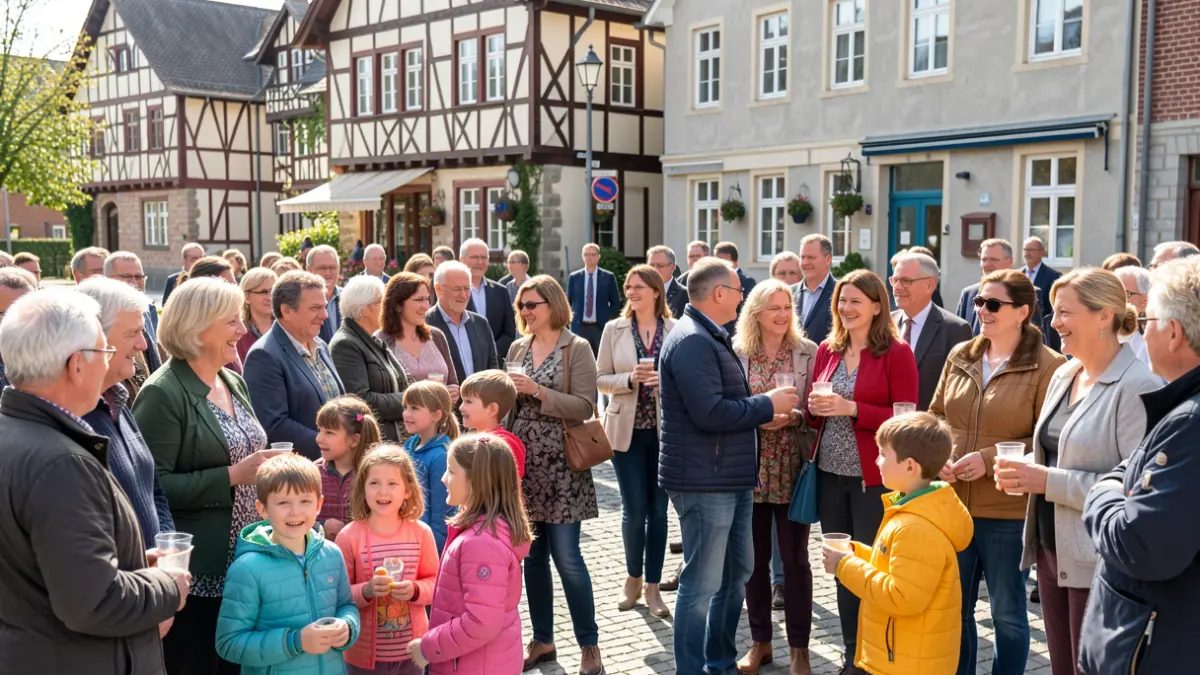
On Saturday, they participated in one of the annual gatherings organized by the Diputación for program participants to share experiences and strengthen bonds. This celebration for 'guardian angels' brought together about fifty families and two hundred people in the vicinity of the Itsasmuseum and concluded with a large meal.
Pili Urruzunu has spent ten years caring for children. Under her care, six children have better weathered life's blows. 'The first was a week old, beautiful; the second, at fifteen days, had withdrawal symptoms, but we've helped her grow, she's doing very well today... Another, at three months, was covered in bruises, yet he never lost his smile. It's a very tough experience, but they have such a will to live, to laugh; we have to help them, all you need to do is pull them out of that hole, and it can be done,' she assures. She admits, 'It's sad when one leaves, but I'm eager for them to go to a family and have a better life, and in the meantime, I can help more,' she insists.
Nearly three hundred minors under the Diputación's guardianship live with families in Bizkaia. Imma Giordano is a teacher who joined the Social Action program four years ago. In her case, she will be accompanying a child until they turn 18. The child is currently 6 years old and came into their lives when he was just over twelve months old. 'I am very happy; it aligns with our view as a couple that a family isn't just a biological matter but involves the desire to care for a child,' she comments. Her support will last until he turns 18. For her, the most important thing is seeing that 'children who have had a traumatic experience can find a safe place and shed a guilt they feel but haven't earned,' she notes.
As in other cases, the beginnings were difficult, though daily life compensated. 'We had to build an attachment that didn't exist; he wasn't used to being held, to physical contact. The first few times, we let him initiate contact, and when he fell asleep in our lap, it was very emotional,' Giordano recalls. 'That showed us we were doing the right thing, although we know there are things we won't be able to prevent; they are part of his life and he will have to face them over time, but he will always have us to accompany him, and what we do for him can lead to him having more secure attachment,' she says.
The first meeting between families took place back in 2012. 'Family foster care is not just a protection measure; it is, above all, an opportunity for children and adolescents to grow in an environment of affection, stability, and care, and often, to start anew,' insists the Social Action deputy, Amaia Antxustegi, encouraging others to join the program.