
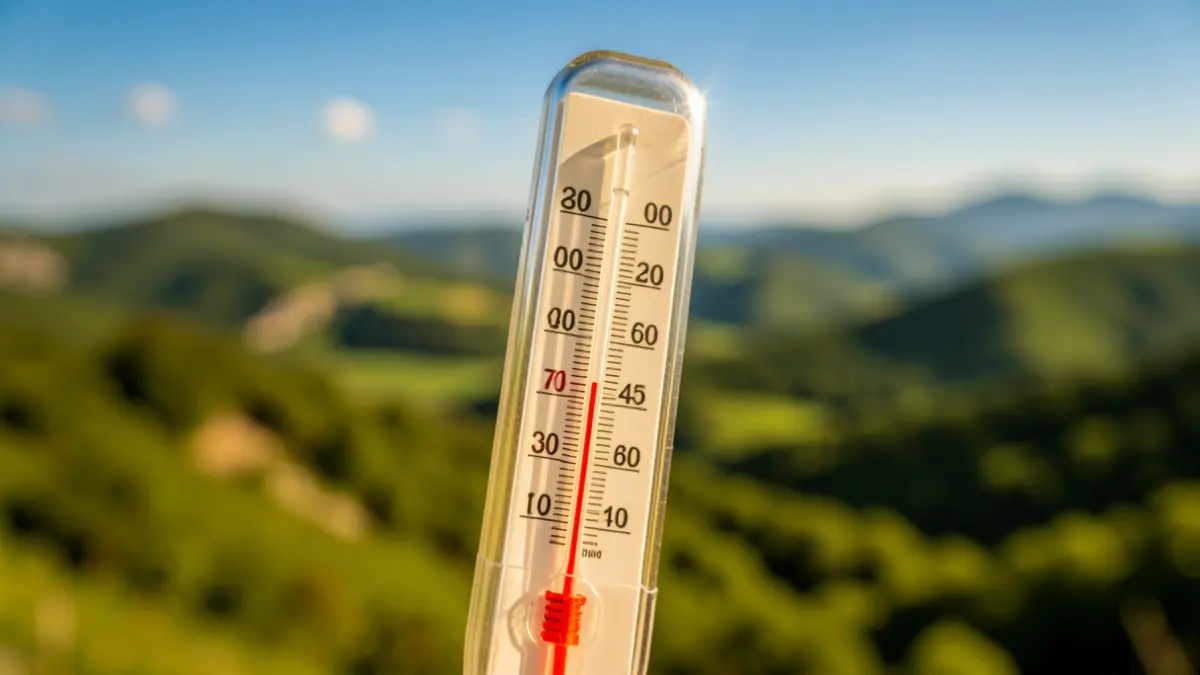
The number of deaths in Euskadi caused by extreme temperatures has reached fifteen, following the death of a resident in Álava. The heatwave, ongoing since Thursday, has led to severe health problems for dozens of people.
According to the Ministry of Health's MoMo system (Daily Mortality Monitoring), fourteen people died in Euskadi between last Friday and Monday. The individual who passed away this Wednesday in Álava is not included in this figure. This system, established in 2004, tracks the impact of excessive temperatures on human life by comparing observed daily mortality with historical expectations.
The death toll is likely to increase as the current thermal event is expected to continue until at least Thursday. The Basque Government has elevated the alert level to orange in the interior Cantabrian zone due to persistently high temperatures. France is experiencing a similar situation, with 7 deaths attributed to the heatwave.
Osakidetza (the Basque Health Service) reported attending to 103 people from Friday until 7 PM this Wednesday due to high thermal values, with 40 requiring hospital transfer. The ages of those assisted ranged from 2 to 98 years old.
“"Lo habitual es que estos fallecidos sean enfermos crónicos con pluripatología a quienes las altas temperaturas provocan una descompensación severa. También pueden morir por estos episodios personas que practiquen deporte al aire libre o trabajen y tengan una exposición prolongada al sol."
By province, Bizkaia accounts for the majority of deaths recorded by the Ministry of Health linked to the current thermal episode. This province has also registered the highest temperatures recently. Last Friday, the Euskalmet station in Sodupe (Güeñes) reached 39.1 degrees Celsius, a historic record for May.
From a health perspective, the most vulnerable groups to heat are young children (up to 4 years old), the elderly, and individuals with chronic illnesses. It is advised to avoid prolonged sun exposure, use protective headwear, stay hydrated frequently, and ventilate homes at night.
Heatstroke occurs when body temperature exceeds 40 degrees Celsius following prolonged exposure to high temperatures. Common symptoms include headaches, blurred vision, nausea, and vomiting, progressing to unconsciousness in severe cases. If someone suffers heatstroke, emergency services should be called, and while awaiting assistance, the person should be moved to a cool place and have damp cloths applied.