Innovation in areas such as advanced manufacturing, process digitalization, and the circular economy has become a key factor for industrial competitiveness, both present and future. In territories with a strong manufacturing tradition, such as Bizkaia, these three levers do not act in isolation but combine to transform how goods and products are designed, produced, and reused.
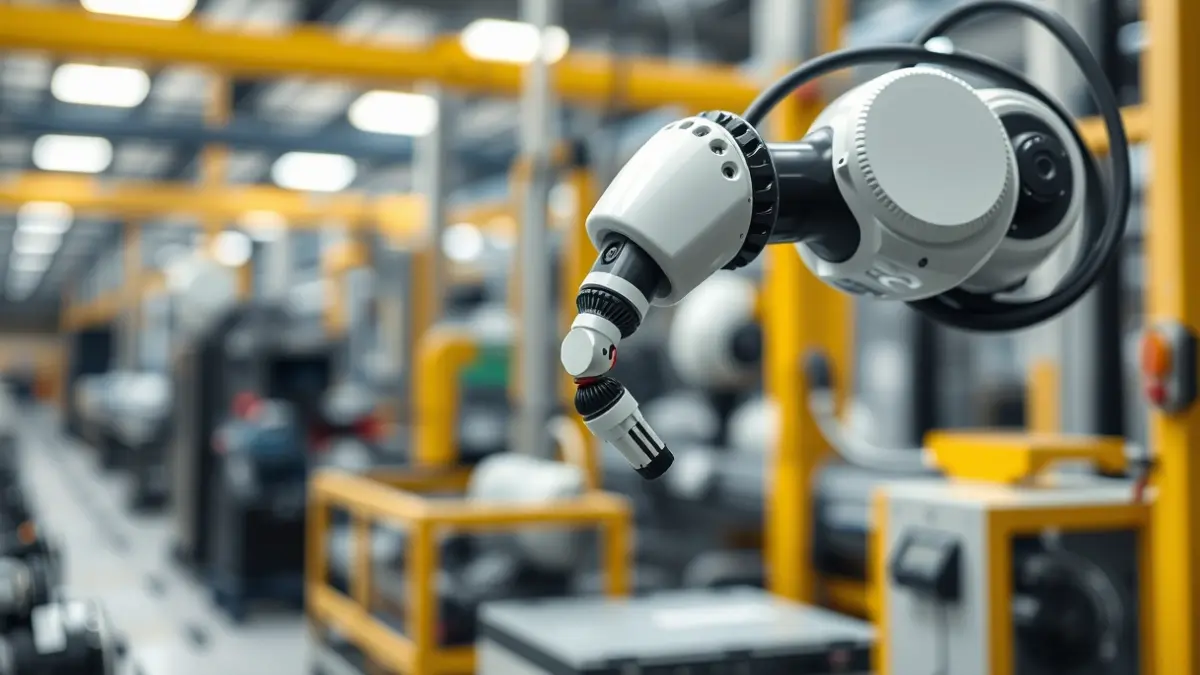
Advanced manufacturing encompasses technologies like automation, collaborative robotics, and 3D printing, aiming to increase production efficiency, flexibility, and quality. In this scenario, the use of systems integrating machinery, sensors, and software allows for real-time monitoring of factory or industrial plant operations. This enables companies to instantly adjust production parameters, reduce errors, and anticipate failures.
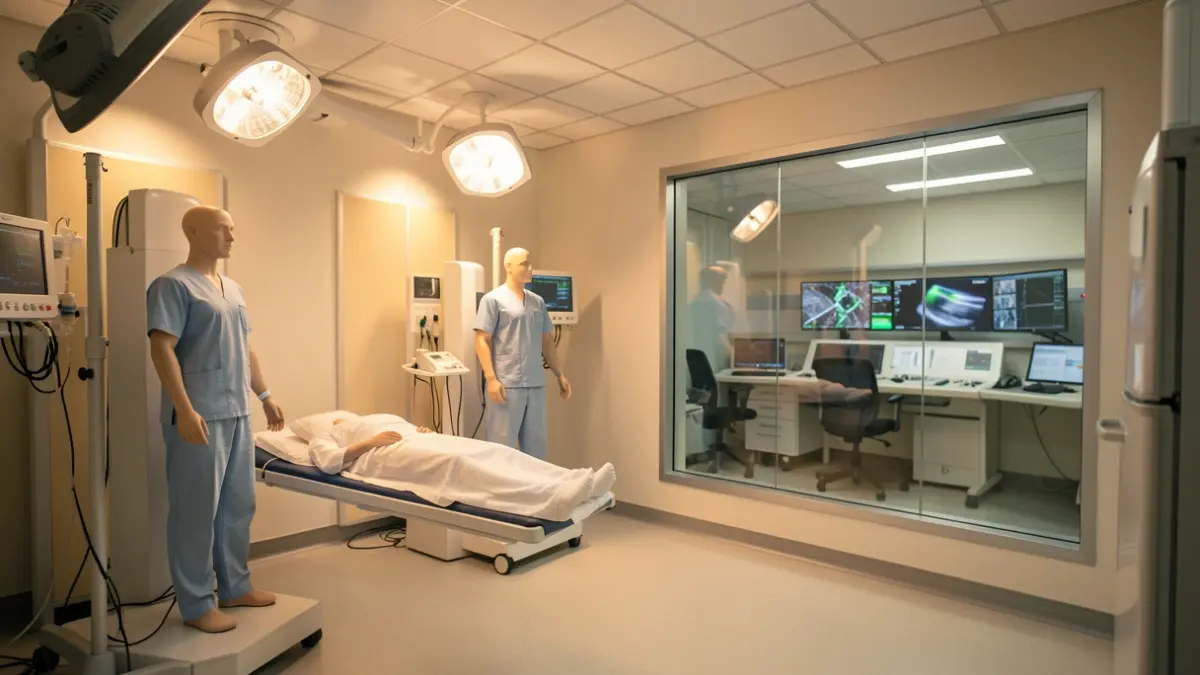
The digitalization of procedures acts as the “brain” of this new industry. Technologies such as the Internet of Things (IoT), data analytics, and AI facilitate the collection of large amounts of information and its conversion into operational and efficient decisions. A concrete case illustrating this transformation is the energy sector, particularly in smart grids, which rely on digital technologies to simulate, test, and optimize solutions before deployment.
Industrial innovation is no longer measured solely in terms of efficiency or productivity. The circular economy has introduced a new criterion: minimizing environmental impact and maximizing the use of available resources. In this model, waste ceases to be a problem and becomes raw material for new processes. This involves redesigning products to be more durable, repairable, and recyclable, as well as optimizing the use of materials and energy during production.
The combination of advanced manufacturing, digitalization, and the circular economy creates a multiplier effect. On one hand, companies reduce costs and improve their competitiveness. On the other, they advance towards more sustainable models aligned with regulatory and social demands. In Bizkaia, this approach is supported by collaboration among companies, technology centers, and public administrations, which facilitates knowledge transfer and accelerates the practical application of innovations.