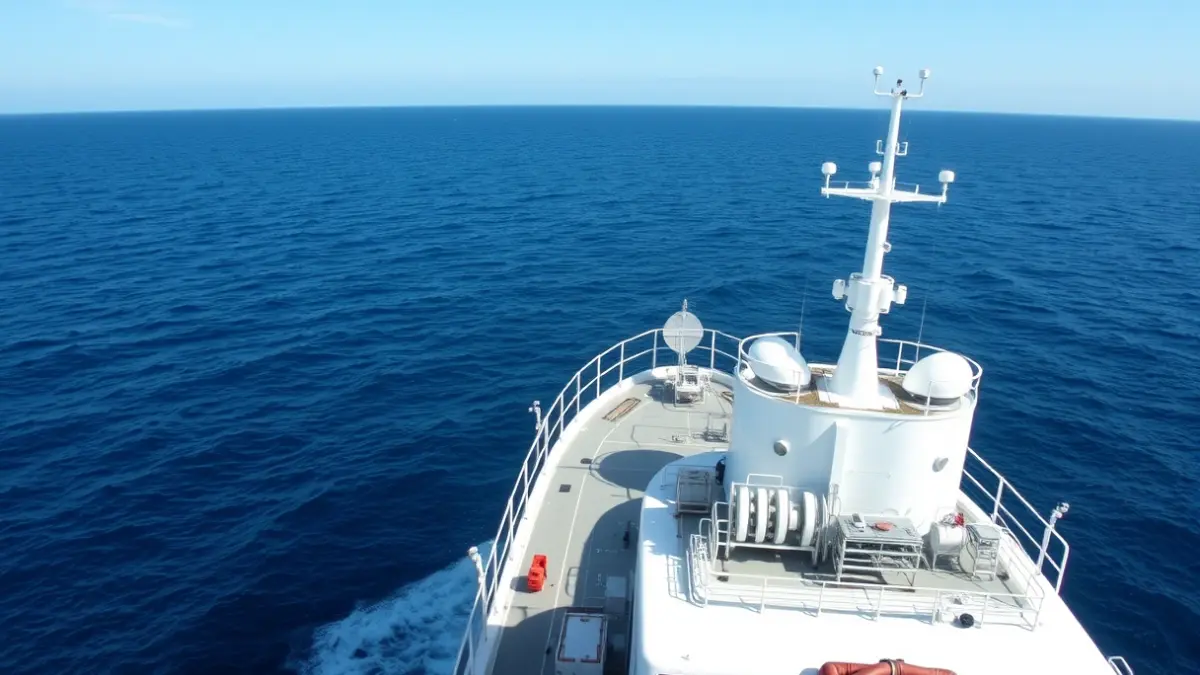
Researchers from AZTI have set sail on the oceanographic vessels Vizconde de Eza and Enma Bardan, conducting various studies and samplings throughout the species' reproduction area. The goal is to apply the daily egg production method (MPHD) to calculate the adult anchovy biomass.
Technicians collect plankton samples and extract the eggs spawned by anchovies. Simultaneously, adult specimens are captured to subsequently calculate their average fecundity, which is the average number of eggs produced by each female. This data is crucial for estimating the species' biomass, considered a cornerstone of the Basque inshore fishing sector's economy and the entire Cantabrian coast.
“"The relationship between the number of eggs found in the plankton and the average fecundity of the females allows scientists to estimate the biomass of this species, considered one of the pillars of the economy of the Basque inshore fishing sector and the entire Cantabrian coast."
Data collected throughout May across the Bay of Biscay, from the mouth of the Garonne river to the central Cantabrian Sea, will be analyzed by working groups of the International Council for the Exploration of the Sea (ICES). This entity will then make recommendations to the European Commission for establishing the Total Allowable Catch (TAC) for the species.
The results of the last Bioman campaign, conducted last spring, were very positive, recording high levels of abundance. Consequently, the European Union approved a TAC of 33,000 tons for 2026, 90% of which corresponds to the purse-seine fleet sailing under the Spanish flag.
The healthy state of the anchovy stock in the Bay of Biscay is attributed to sustainable management implemented after the fishery remained closed for five years, between 2005 and 2010, following signs of depletion. Since then, anchovy biomass has consistently remained above the biological limit of 21,000 tons established by scientists. The historical average for the Bioman campaign is around 80,000 tons, a figure that has been significantly exceeded in recent years.
AZTI's analysis of the anchovy population in the Bay of Biscay is complemented by the Juvena campaign in autumn. This campaign determines the abundance and spatial distribution of juvenile anchovies born in spring, and analyzes the environmental factors affecting their survival. This allows for predicting the number of anchovies that will join the adult population the following year.
The latest estimates from the Juvena campaign, conducted between September 5 and October 10 last year, place the juvenile biomass above half a million tons, doubling the historical average and representing a significant increase compared to 2024 data. The Basque Government emphasizes that 2025 data reflect the species' good health and reinforce the importance of science-based fisheries management.