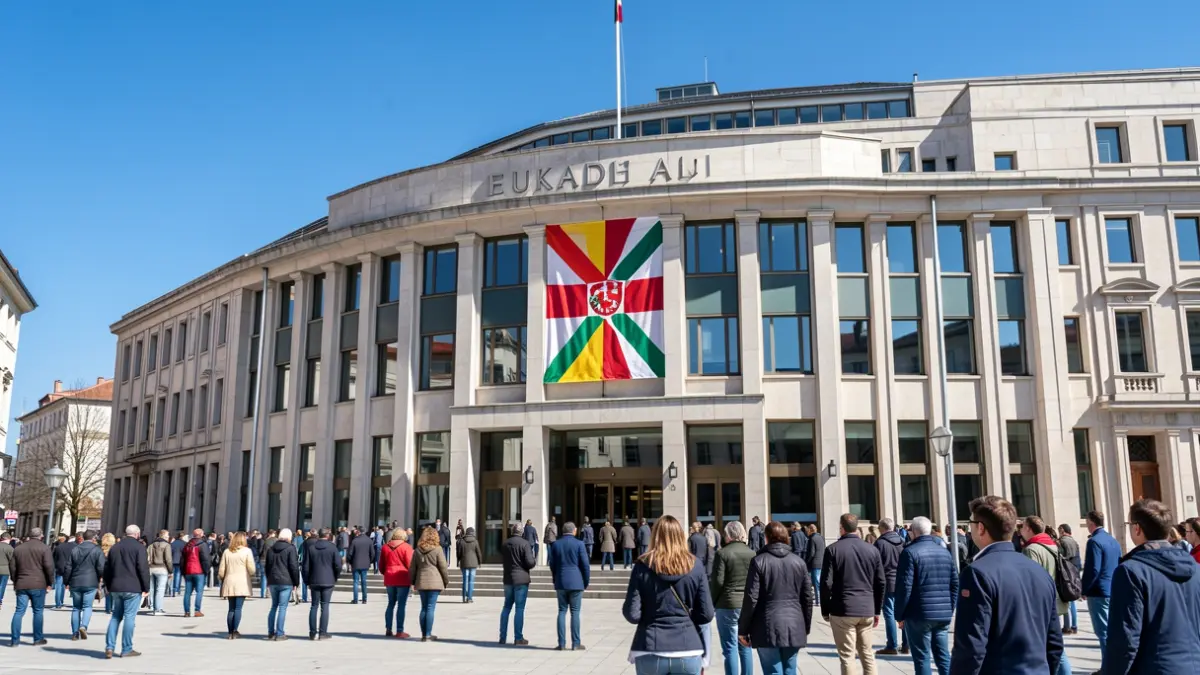
This measure, which will be common across the three historical territories of the Basque Country, aims to provide municipalities with sufficient economic resources to manage the pressure that tourist influxes place on public services such as cleaning and security.
The tax will apply for a maximum of five nights, with exemptions for minors, trips subsidized by social programs, people with disabilities, and stays for study or health reasons. The amount will vary based on the establishment's category: between 2.5 and 5 euros for five-star hotels, and between 0.75 and 1.5 euros for one-star hotels, campsites, and rural accommodations. Cruises will be charged between 2.5 and 5 euros per docking for higher categories.
The Provincial Council of Bizkaia estimates that municipalities will collect between 10 and 20 million euros. Each local council can apply bonuses or surcharges; those with high tourist pressure (over 750 beds) can increase the tax by 50%, while those with few tourist accommodations can apply a 100% bonus.
According to Itxaso Berrojalbiz, the Deputy for Finance and Treasury, the change in the effective date responds to a legal matter and respect for municipal autonomy. The initial proposal, which allowed municipalities to apply the tax earlier, was adjusted to ensure all municipalities in Bizkaia, Gipuzkoa, and Araba implement it simultaneously. The Provincial Council expects to approve the Foral Law in April, with final approval from the General Assemblies in June.