The Euskera Service of the Irun City Council, in collaboration with the Municipal Euskaltegi, has launched a new edition of the ‘Mintzalaguna’ program. This initiative is designed to provide individuals learning Euskera with opportunities to practice the language. All the details of this new edition were presented by the Euskera delegate, Josu Iguiñiz, on Wednesday.
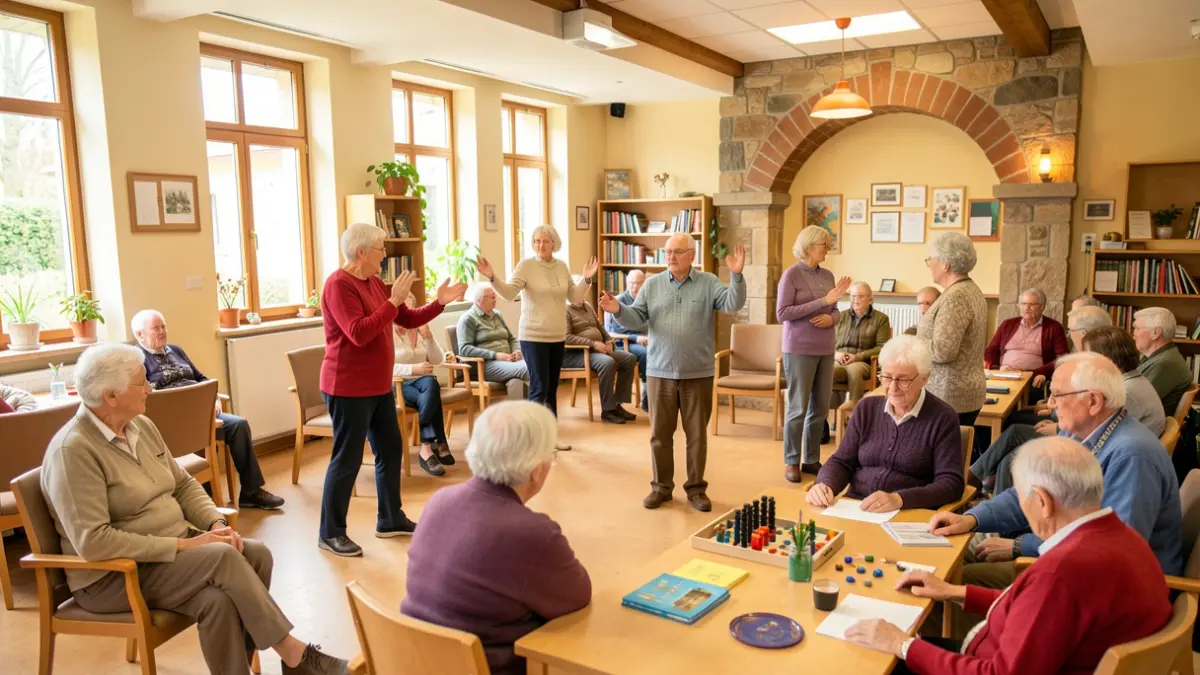
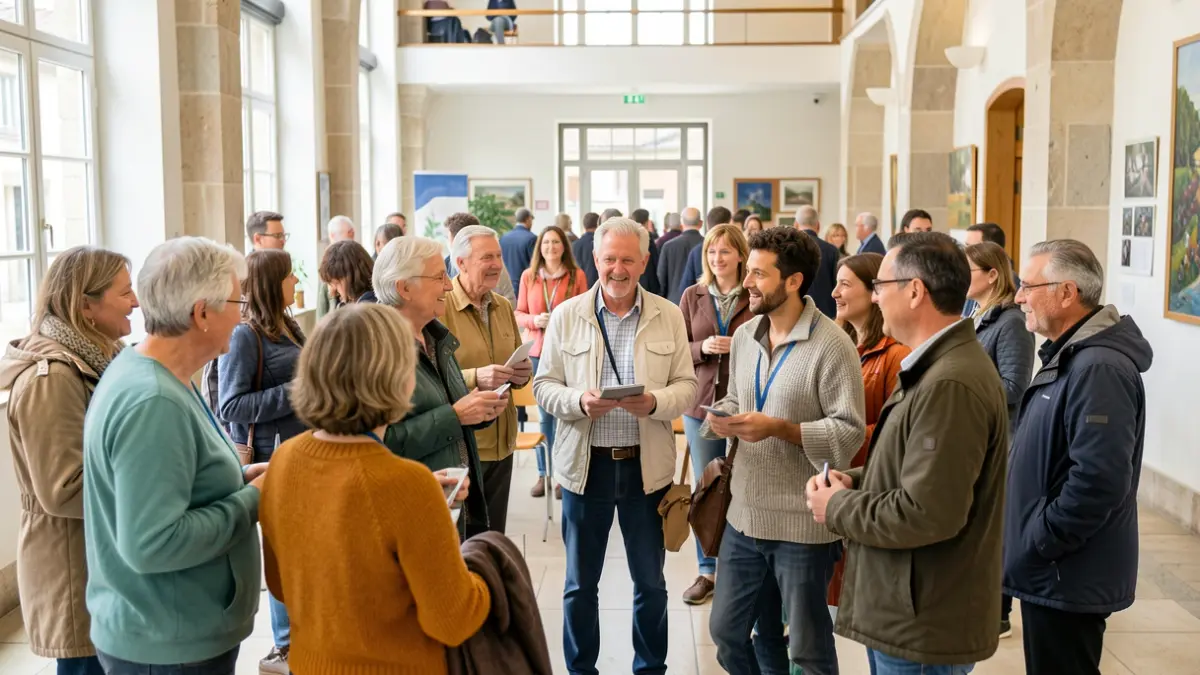
Within the ‘Mintzalaguna’ program —meaning 'companion for speaking Euskera'—, those learning the language and regular Euskera speakers gather in groups of 4 to 6 people with the objective of conversing in Euskera. It serves as an opportunity to create new spaces for promoting the use of Euskera and is open to anyone wishing to speak it. The aim is to establish a calm and comfortable environment for practice.
Delegate Josu Iguiñiz highlighted the program's diverse participation: "We have had people studying Euskera from various cities and countries; coming from abroad or from other communities like Argentina, Madrid, or Aragón, from neighboring cities, or born here. But what has brought us the most joy has been the participation of young people, as many young men and women have joined."
Participation in the program is voluntary, and no one is obligated to join. The organized recreational activities take place during the participants' free time. It is a program to foster Euskera, but it also aims to create new social networks, gain spaces for its use, and generate active speakers within the Euskera normalization process. Furthermore, it influences the linguistic landscape, as 'Mintzalaguna' groups meet in public spaces.
The registration period is now open, and to participate in the ‘Mintzalaguna’ program, individuals must be over 18 years old and possess a minimum ability to communicate in Euskera.
Each group will have two roles: bidelariak and bidelagunak:
- Bidelariak: individuals who do not habitually speak Euskera and enroll in the program to practice it.
- Bidelagunak: individuals who habitually speak Euskera and enroll to converse in Euskera with the bidelariak.
- Bidelariak: individuals who do not habitually speak Euskera and enroll in the program to practice it.
- Bidelagunak: individuals who habitually speak Euskera and enroll to converse in Euskera with the bidelariak.
Groups will consist of 4 to 6 people, with each group having one bidelagun and several bidelariak. When forming groups, participants' interests, proficiency levels, time availability, and other aspects will be considered. The groups will commence their meetings in October and convene once a week until June. Throughout the academic year, each group is expected to complete 40 sessions, with at least one hour of oral practice per meeting. Although group autonomy will be encouraged, a facilitator will monitor each group.
Initially, sessions will be offered from Monday to Friday, both in the morning and afternoon, and on Saturday mornings, during the following hours: 9:15, 10:00, 11:00, 12:00, 15:00, 16:00, 17:00, 18:00, 19:00, and 20:00.
While the program's regular activity will be the 'Mintzalaguna' group sessions, complementary activities such as outings, workshops, or gatherings will also be organized periodically. These will be recreational, open activities aimed at participants. Additionally, participants will be encouraged to engage in other Euskera-based activities taking place in Irun.
Growth in the last edition
The program has become established in the city over recent years, and the last edition saw 120 participants: 102 bidelariak and 18 bidelagunak. Of these, 100 were new participants. They were organized into 21 groups, comprising a total of 95 women and 25 men.
The program has become established in the city over recent years, and the last edition saw 120 participants: 102 bidelariak and 18 bidelagunak. Of these, 100 were new participants. They were organized into 21 groups, comprising a total of 95 women and 25 men.
To register, it is necessary to complete the form available on the municipal website ([www.irun.org](http://www.irun.org)), in the ‘Mintzalaguna’ section ([https://www.irun.org/es/euskera/aprende-euskera/mintzalaguna](https://www.irun.org/es/euskera/aprende-euskera/mintzalaguna)).