This new strategic initiative, jointly promoted by the Basque Government and the association Garabide, is fundamentally tasked with driving the formal establishment of this international federation. The network seeks to enhance the visibility of languages undergoing recovery and provide them with robust institutional backing.
This step will enable linguistic communities to present themselves with greater weight and unity in international forums where policies for the protection and promotion of linguistic diversity are decided.
Aitor Aldasoro, the Basque Government's Deputy Minister of Linguistic Policy, highlighted the significance of this milestone: "This initiative will help us exchange experiences, learn about successful revitalization models from around the world, and, above all, enable us to speak with our own voice to the world".
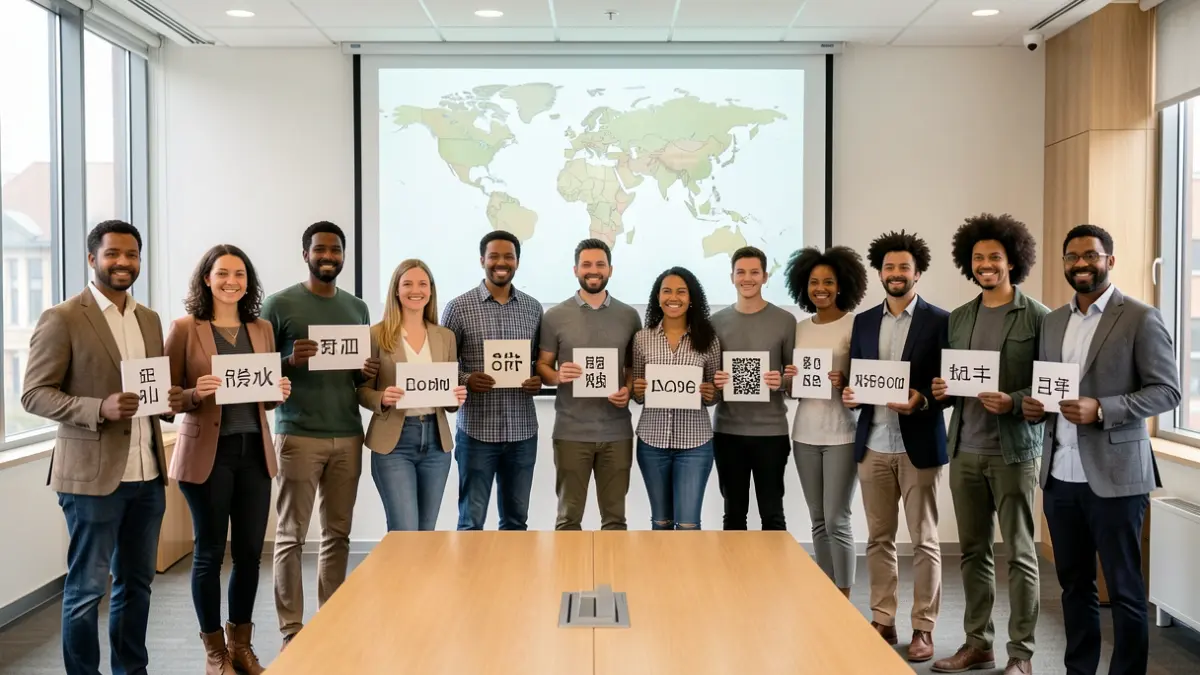
The project's strength lies in its diversity and broad geographical representation. The promoter group comprises delegates from thirteen linguistic communities worldwide, including Basque (Euskal Herria), Quechua (Ecuador), Nasa (Colombia), Mayan (Mexico), Guarani (Paraguay), Hawaiian (Hawaii), Tubu (Libya), Kurdish (Kurdistan), Maori (New Zealand), Khoikhoi (South Africa), Tamang (Nepal), Welsh (Wales), and Torwali (Pakistan).
Through this alliance, the promoter group takes a firm step towards the federation's definitive constitution, solidifying a crucial space for international cooperation essential for the survival and future of minority languages.
The initiative aims to build a stable platform for collaboration among communities committed to language revitalization, promotion, and development. Its three main objectives are to strengthen practical cooperation, foster a shared narrative on the value of linguistic and cultural diversity, and enhance collective influence in international arenas discussing the future of these languages.