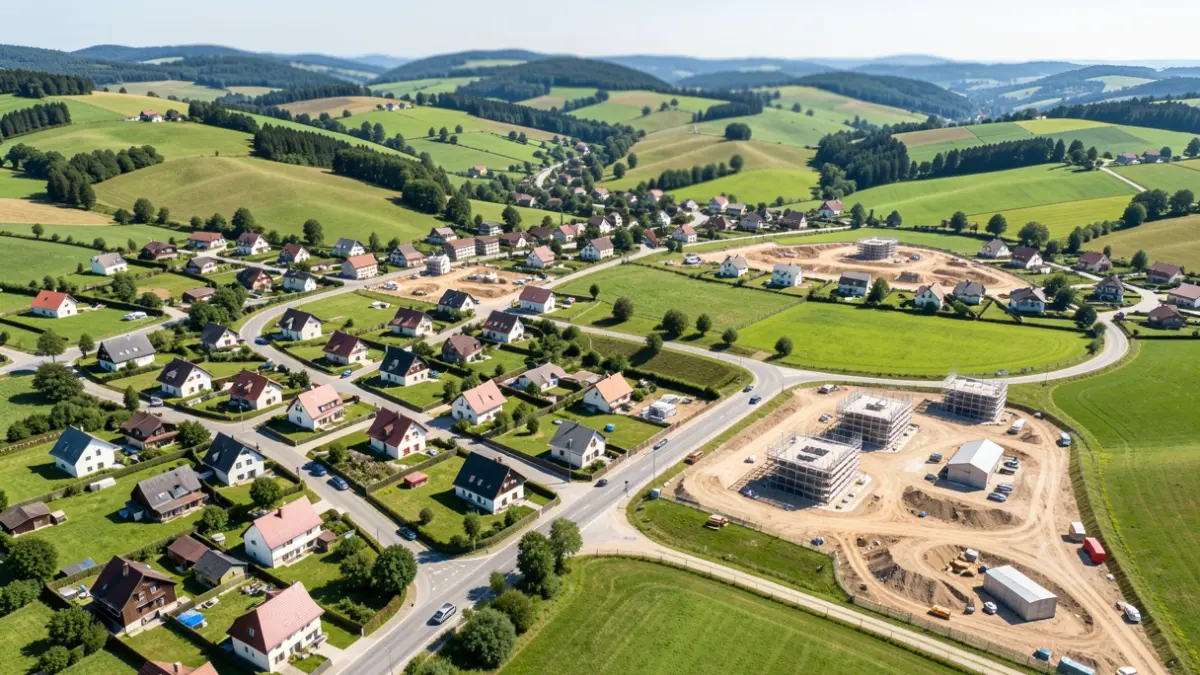
The Artea City Council is nearing the completion of its General Urban Planning Plan (PGOU) approval process, which began in 2021. The document will be sent to the Basque Government and the Provincial Council of Bizkaia in mid-July, with Mayor Gorka Beitia expressing confidence in its approval by mid-2027.
This new plan outlines the creation of 138 new housing units and projects a moderate increase in the municipality's population, from the current 752 residents to approximately 1,000 over two decades.
The project has been undertaken by the company Hiritek and is fully funded by the Provincial Council of Bizkaia at a cost of around 220,000 euros. In 2022, a presentation and three sectoral meetings were held with citizens before the drafting process began. The mayor noted that neighborhoods are excluded from the regulations as they are classified as rural areas, meaning construction will be confined to the urban center.
The period for submitting objections was open from February to June last year, with a total of 34 received. The majority were approved, and four were specifically aimed at changing land use from forest to rural for livestock farms, intended to boost the agricultural sector.
Artea previously operated under subsidiary regulations from 2002, which were suspended in 2025, halting major construction permits. The prior plan envisioned 240 homes, but only ten were built, largely due to the 2008 economic crisis.
Within the new plan, most developments will involve infill construction in the urban core. A completely new area will be developed in the Errotabarri sector, where approximately 75 apartments will be built. Of these, 20 are designated for social rent to aid young people's independence, with efforts to increase this to 35. Currently, the average housing price in Artea is around 900 euros per square meter, and monthly rent is about 720 euros.
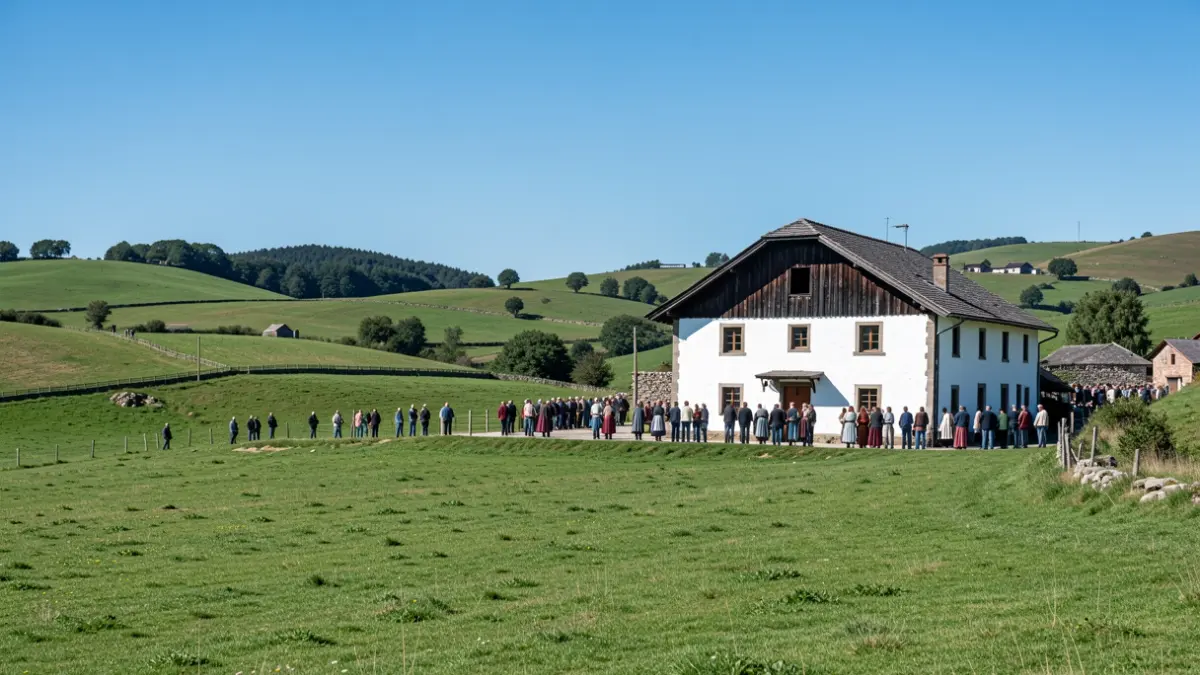
Another initiative to encourage young residents to stay is the possibility of subdividing traditional farmhouses (caseríos). The minimum size has been reduced from 240 m² to 160 m², allowing for the creation of two 80 m² units with separate entrances.
Plans also include expanding the industrial estate, which is at full capacity with demand from other companies. Additionally, a green belt will be created around the town center, designating the land for social use, and similar action will be taken on another plot where a businessman intends to build a retirement home.