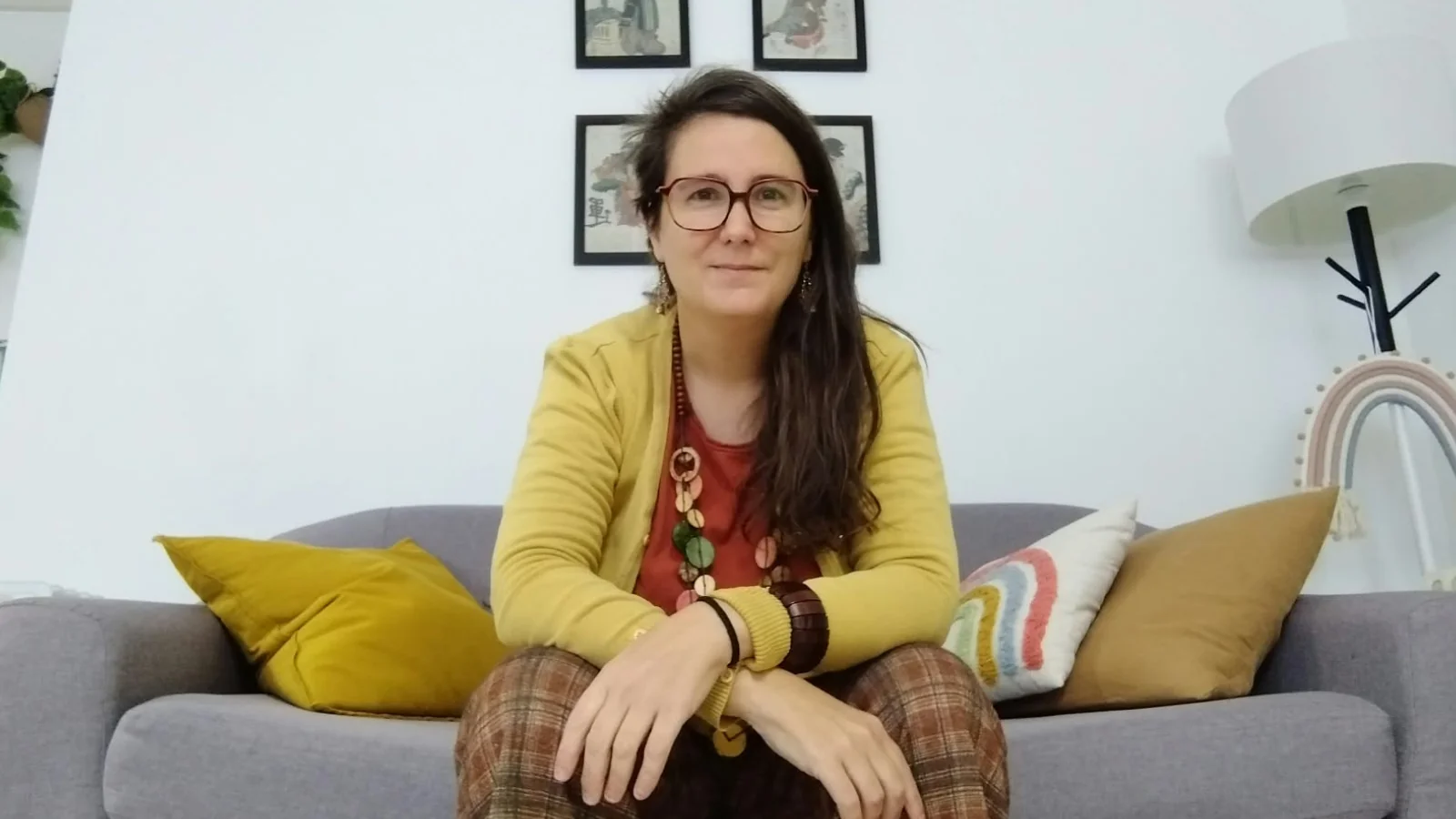
Zuriñe Serradilla points out that there is something we have all done, and that is being born. In addition to the obvious vital importance of this fact, she believes that the lack of attention to the psychological importance of all individuals involved in this period is one of the most recurring causes of mental health interventions at other life stages, either as a primary demand or as an original sequela.
She also recalls that this entails a high cost, not only for the society that suffers psychologically for years when it could have been addressed earlier, but also for society itself, which pays economically with worse outcomes due to later complications and the lack of mental health professionals in the public healthcare system.
Who and when might require perinatal psychology support?
Perinatal psychology covers everything from the desire to parent, fertility, pregnancy, childbirth, postpartum, breastfeeding, perinatal grief, or obstetric violence, with a broad perspective. This means that it not only considers the individuals involved in all these processes (woman, baby-mother, non-gestating parent, extended family, healthcare professionals...) but also the context in which they find themselves (economic, social, cultural, developmental...).
Furthermore, depending on the case, coordination with other professional areas (midwives, obstetricians, pelvic floor physiotherapists, lawyers, IBCLCs, paediatricians, embryologists, psychiatrists...) is usually common, hence the importance of specialization in perinatal psychology: the specificity of many of the demands during this period.
What are the most frequent demands?
At Zuriñe Serradilla's Vitoria-Gasteiz clinic, a wide variety of issues have been addressed. However, in recent years, she states that there has been a notable increase in fertility processes.
Again, the causes cannot be solely attributed to the delay in the desire to parent and its consequent biological complications. From this broad perspective, it cannot be ignored that this delay and complication is well received by both the companies that employ these families and the companies that will later provide support to fulfil the desire despite the difficulties. From this broad approach, the guilt and constant evaluation that these women feel becomes a much less burdensome load, she states.
In this regard, the terms success, failure, or comparison are a constant external pressure, forced into all processes related to motherhood, explains this perinatal psychologist:
you are either overprotective or negligent in your parenting; either you are ruining your professional career or your children have become your only life; if you want to be a mother, I'll tell you how bad it will be, and if you don't want to be one, I'll predict an empty life for you; why can't I get pregnant and I keep seeing pregnant women around me; I know my baby existed and I feel there's no room for their absence...
Are there other areas of psychology related to this?
From the perspective of psychologist Zuriñe Serradilla, it is important to remember that while perinatal psychology could shorten timelines and save resources in public mental health, it is difficult to achieve if it is not academically represented in university psychology curricula. Despite being transversal to many psychopathologies that coincide with health or clinical psychology and can also occur during this period (obsessive, depressive, anxiety, psychotic, eating disorder, traumatic disorders...), this psychologist highlights the specificity of the perinatal context in most demands.
In this regard, many areas address this training gap, such as child and adolescent psychology. While it can be very necessary, as the psychologist points out, it arrives too late for the family and sometimes lacks the perspective for children aged zero to two years. Systemic orientation in adults, focused on family relationships and issues, also addresses the lack of early bonding support in many cases.
From Zuriñe Serradilla's perspective, her training with a gender focus is fundamental to understanding the perinatal perspective. She gives the example of postpartum depression in relation to feelings of loneliness, which, in a significant percentage of her professional experience, is linked to a male partner who is not at all co-responsible, neither emotionally nor practically.
Similarly, she understands that just as the concept of gender-based violence exists and women in the perinatal period have a higher risk of suffering it, one of the violences to which they can be vulnerable is obstetric violence. Obstetric violence is that which healthcare professionals inflict on women during this specific period and can be physical: through the use of non-recommended techniques or techniques used without informed consent; or psychological: through threats, insults, use of fear, disrespect, infantilisation... Both types can have lasting consequences for the woman, and of course, for her baby and their bond.
Forensic psychology in the perinatal area
Another area of specialization for this psychologist, besides health and perinatal psychology, is forensic psychology. As a private or party-appointed expert witness, meaning she does not work for the court itself, she conducts evaluations requested by an individual regarding their psychological state and issues a forensic report with the results. These reports can be requested for various purposes: to apply for permanent disability, for sequelae after a workplace harassment situation, to sue a company for psychological damages for other reasons...
Addressing forensic psychology from a perinatal perspective can be particularly useful for: assessing suitability in adoption processes, evaluating parental competencies in custody disputes, for psychological sequelae following gender-based violence, psychological sequelae from obstetric violence...
In legal proceedings, the support of a forensic psychologist with a perinatal perspective can, within her expertise, explain the potential impact on a child under three years of age of making certain decisions, additional vulnerability factors for the woman in certain processes... and regarding support during the evaluation process, while maintaining the impartiality and ethics inherent to forensic work, a sensitive approach to the period in which the evaluation is circumscribed.