Located in Vitoria-Gasteiz, the Archive of Álava has unveiled a significant piece of Basque mountaineering history: the TXIMIST expedition. This exhibition commemorates the first attempt to reach Everest in 1974, which fell just over 300 meters short of the world's highest peak and heralded a new era for Basque himalayanism.
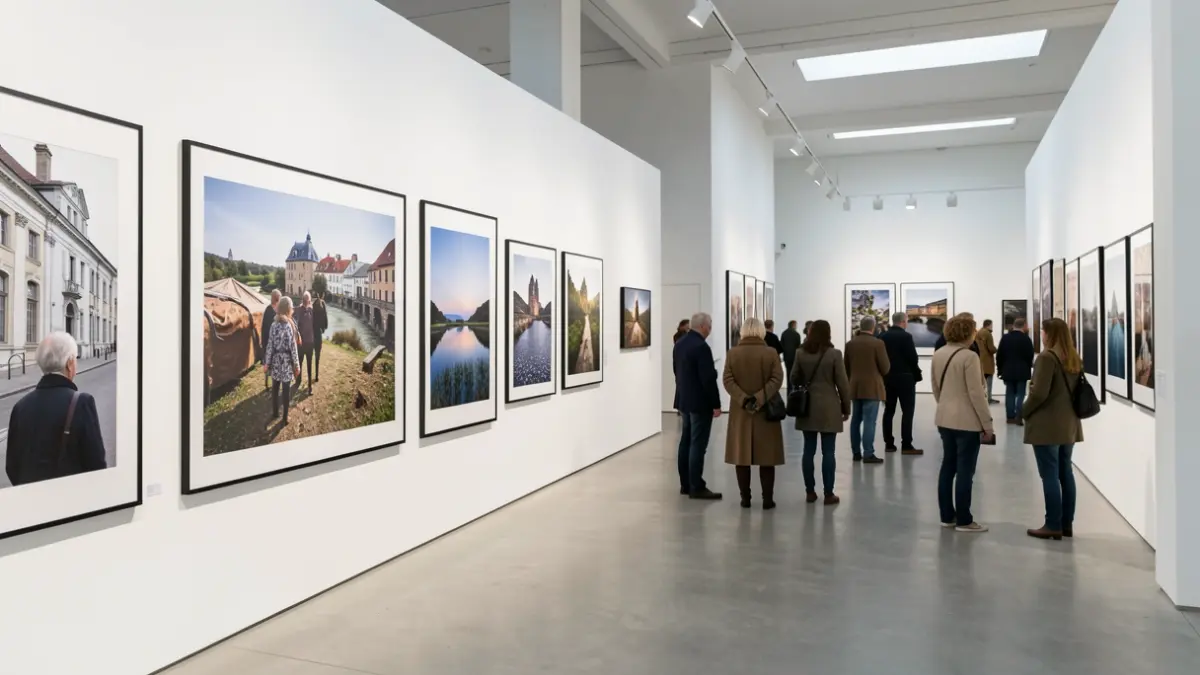
The exhibition was inaugurated on May 14th by the Provincial Minister of Culture and Sport, Ana del Val. It revisits the key moments of the 1974 expedition, undertaken at a time when access to the Himalayas was restricted and highly competitive. The exhibition features photographs, documents, expedition gear, and mementos from Nepal, reconstructing the journey of the Tximist expedition. This initiative, driven by Basque mountaineers, opened the door to a new phase of mountaineering in the Basque Country.
The exhibition is open to the public at the Archive of Álava, located at Paseo de la Zumaquera, 21, until July 3rd, 2026, from Monday to Friday. Additionally, a free publication detailing the expedition's highlights, accompanied by personal photographs from its members, is available.
The story of the Tximist expedition is also one of a near-realized opportunity. Two members slept at an altitude of approximately 8,530 meters, just over 300 meters from the summit. "They were completely convinced they would reach the summit the next morning," recounted mountaineer Txomin Uriarte. However, winds exceeding 70 kilometers per hour prevented the final ascent. The summit had to wait six more years.
The exhibition also delves into the origin of the expedition's name. "Tximist" was a well-known battery manufactured by Cegasa, a company linked to the project's history. This detail connects the expedition with Álava's industry and recent past.
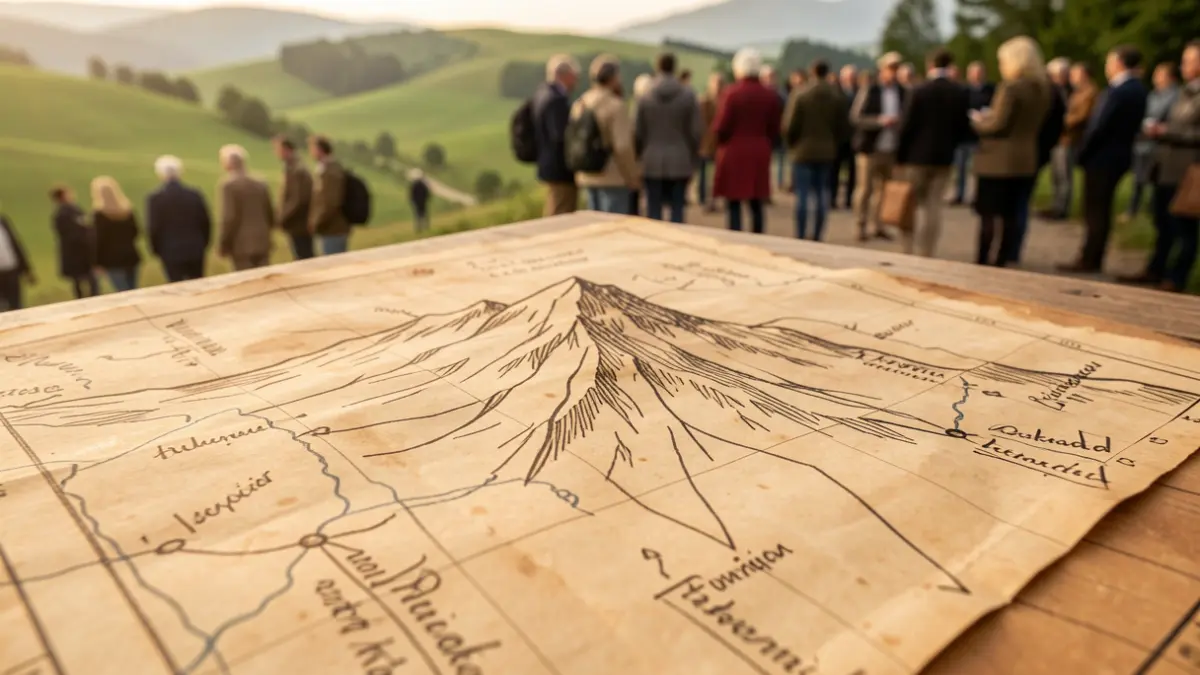
Del Val emphasized the role of the Archive of Álava not only as a preservation space but also as a venue for recovering the territory's historical memory. The exhibition also showcases a model of Everest created by Juan Ignacio Lorente, the expedition's leader and doctor.