
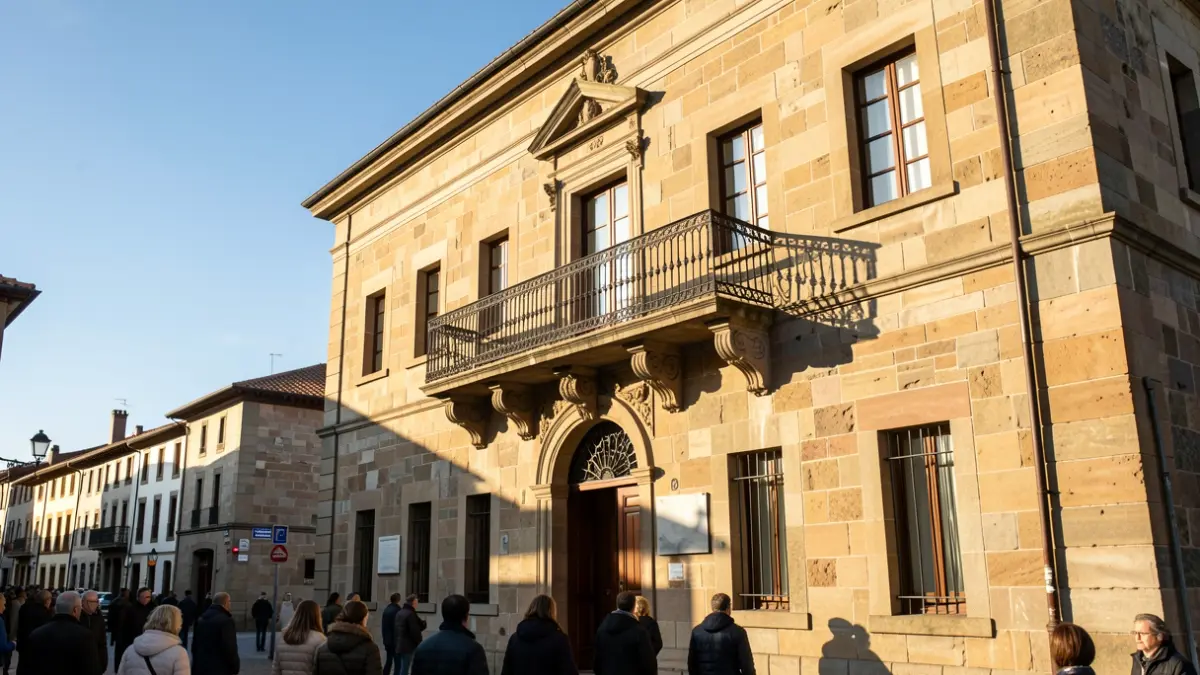
The PNV, through its deputy Mikel Legarda, raised the historical demand for Treviño's integration into Álava in the Congress of Deputies. Legarda questioned the Minister of Territorial Policy and Democratic Memory, Ángel Víctor Torres, on whether the Executive would authorize a citizen consultation in the enclave regarding its potential territorial reclassification.
Torres affirmed the legal possibility, stating, "The answer is clear, it is legally possible." However, he stressed the "necessity" of adhering to the procedures and steps mandated by current law, also supported by Supreme Court jurisprudence. The minister reminded that favorable reports from the Provincial Council of Burgos and the Junta of Castile and León are essential for the process to advance.
Legarda, in turn, highlighted the long-standing claim by Treviño's inhabitants to join Álava, noting that many residents conduct their daily lives in Vitoria-Gasteiz and the province of Álava due to geographical proximity and access to public services. The enclave is located approximately 20 kilometers from Gasteiz and about a hundred from the provincial capital of Burgos.
The minister acknowledged understanding the "logic" of directly consulting the citizens but reiterated that any territorial modification must comply with legally established procedures. "We must follow the steps required by the legal system so that citizens can ultimately express themselves freely," he concluded.