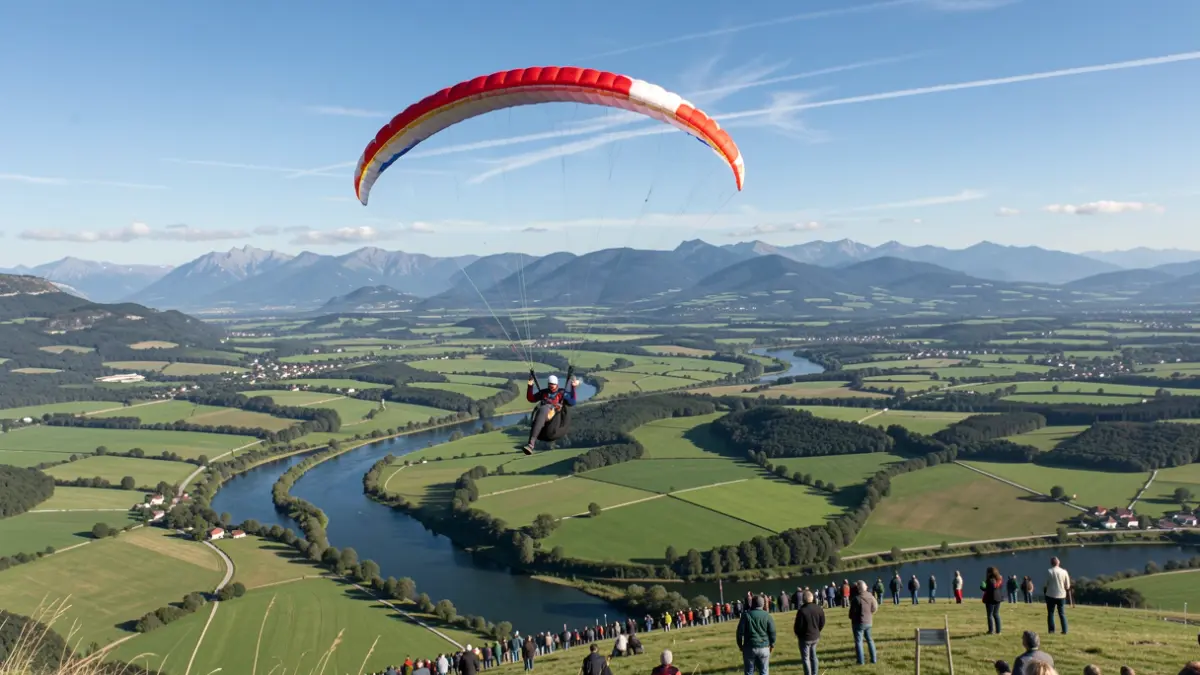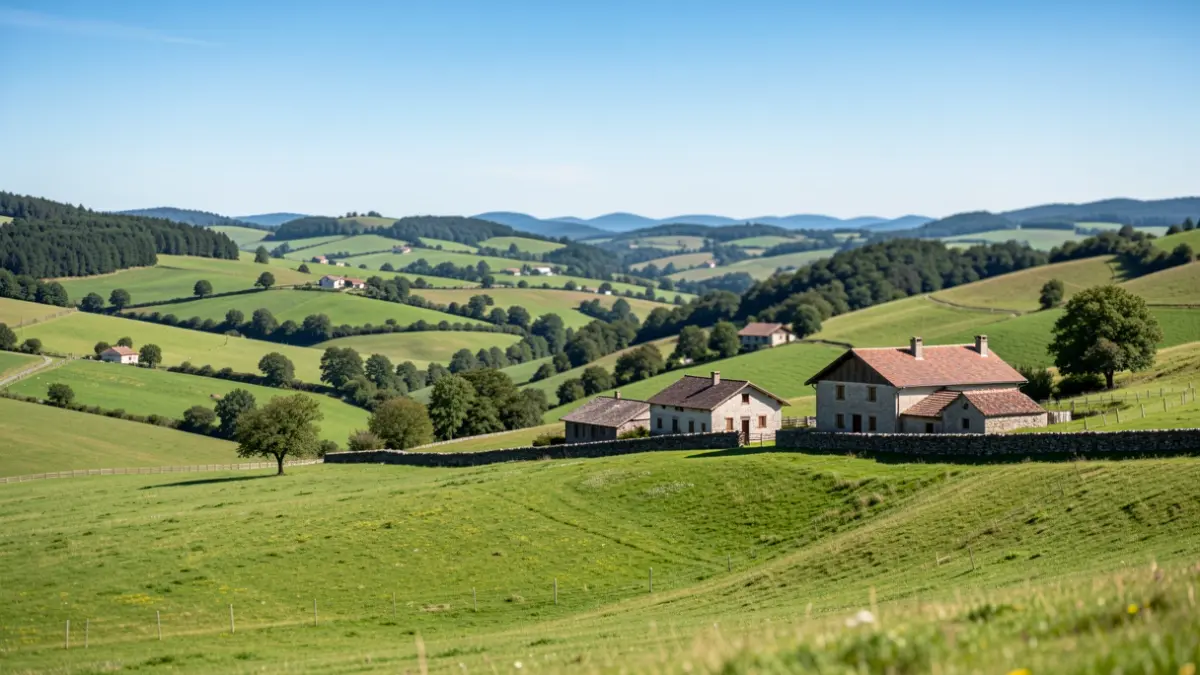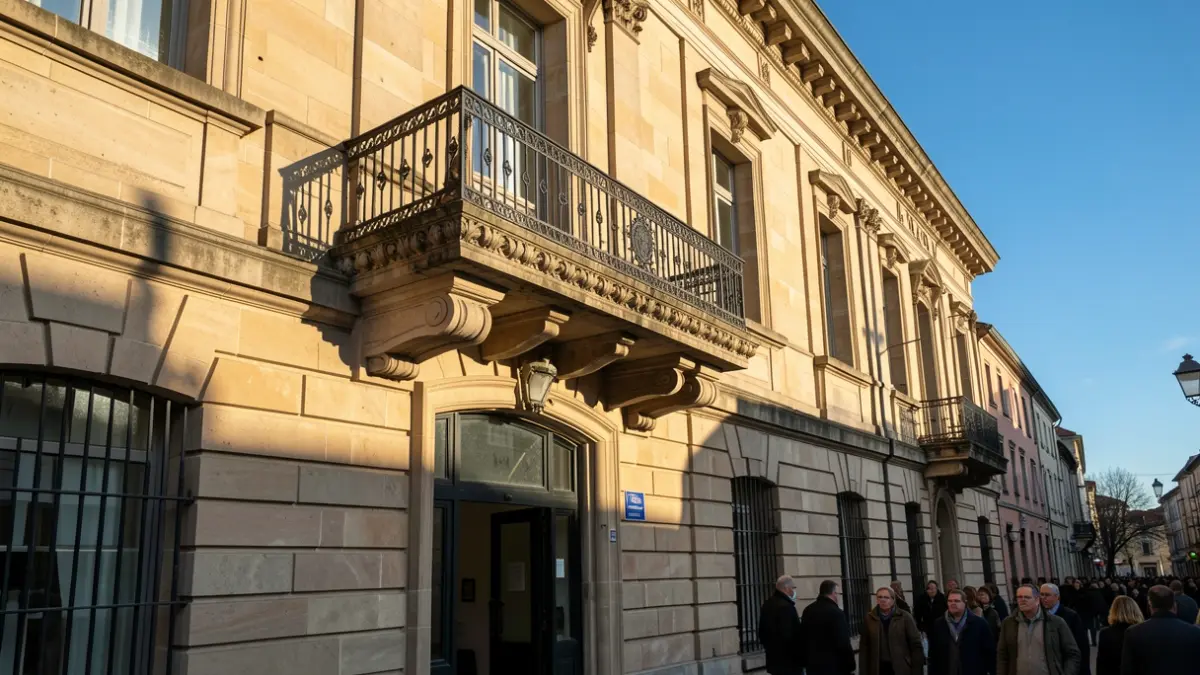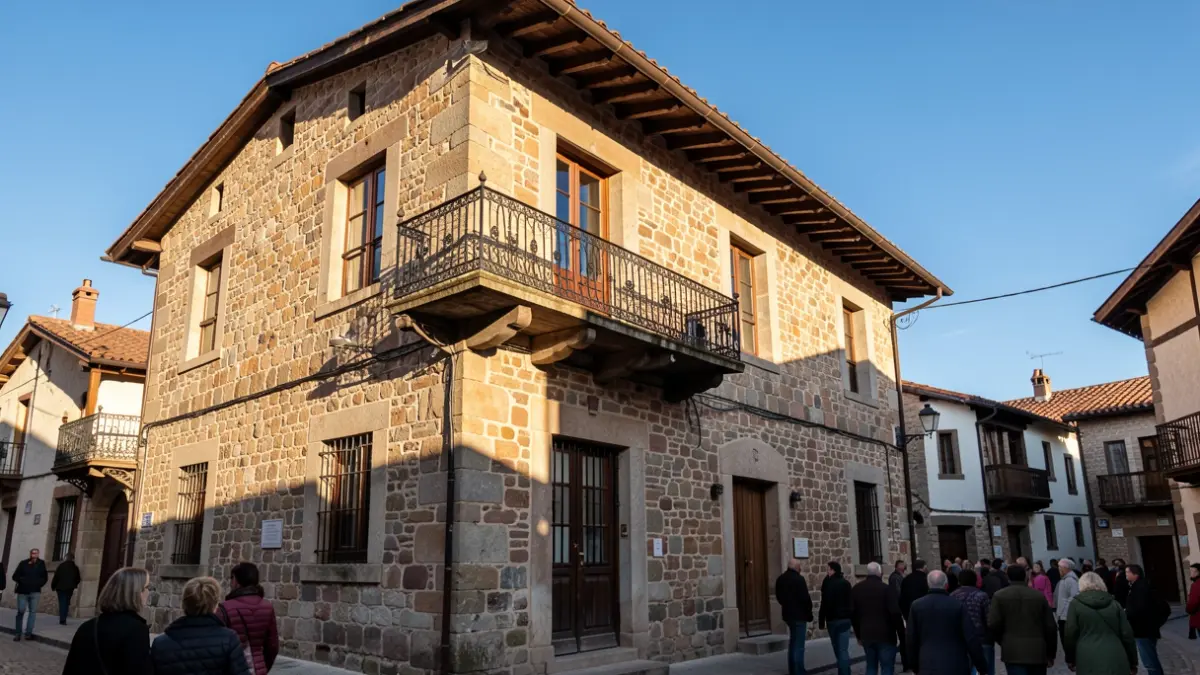
The passing of the former mayor of Peñacerrada, Juan José Betolaza, led to the suspension of the Tierras Esparsas plenary session last year. This Sunday, however, the town in Montaña Alavesa has revived the tradition and hosted the customary session of the General Assemblies of Álava.
During the assembly, a motion was approved concerning the improvement of the A-3126 road between Peñacerrada and Zambrana, and the enhancement of regional transport. This initiative, originally proposed by the PP, was agreed upon with the PNV, PSE, and Elkarrekin Araba. Additionally, a report on the proposed regional law to regulate minor works and pathway plans in Álava's local entities was ratified. This proposal, initiated by EH Bildu, passed with the support of the PNV, PSE, and PP, and the abstention of Elkarrekin.
The amendment to Álava's regional law on minor works will raise the subsidy limit for these activities to 40,000 euros, aligning them with the Foral Plan for Works and Services (PFOS).
Peñacerrada has taken over a tradition dating back to the 15th century, where the plenary session of the Alavan General Assemblies convenes in a Tierras Esparsas locality on the last Sunday of May. This year, led by the President of the Assemblies, Irma Basterra, the assembly members gathered alongside the provincial government headed by the Deputy General of Álava, Ramiro González. They were welcomed by the mayor of Peñacerrada, Alfredo Vicuña, the president of the Montaña Alavesa Cuadrilla, Eduardo Ruiz de Loizaga, and other mayors and Cuadrilla presidents from the region.
The official reception ceremony was held at the foot of the town's medieval wall. Subsequently, a solemn procession, escorted by ceremonial Miñones, mace-bearers, and traditional musicians including txistularis, trumpeters, and drummers, proceeded to the venue of the plenary session.