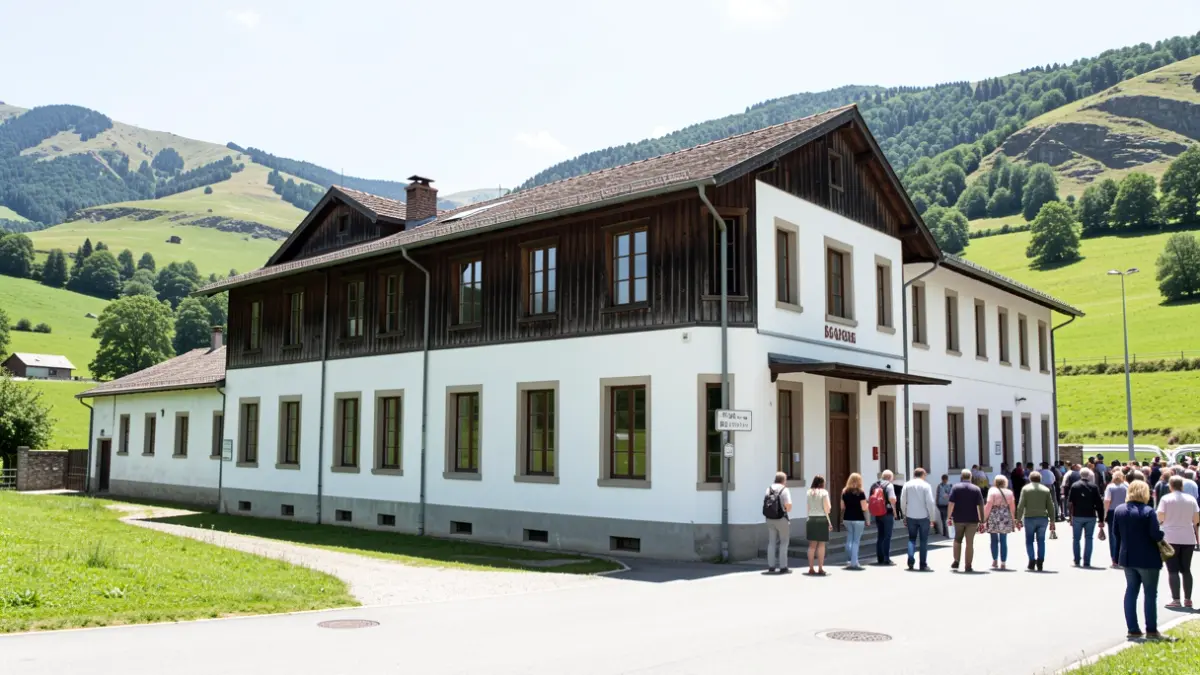
The wood sector in Álava has received a significant boost with the opening of a new facility in Murga, in the Aiaraldea region, which is set to become the largest sawmill in southern Europe. This project is the result of the merger between the Álava-based company Etorki and the Gipuzkoa-based Lana.
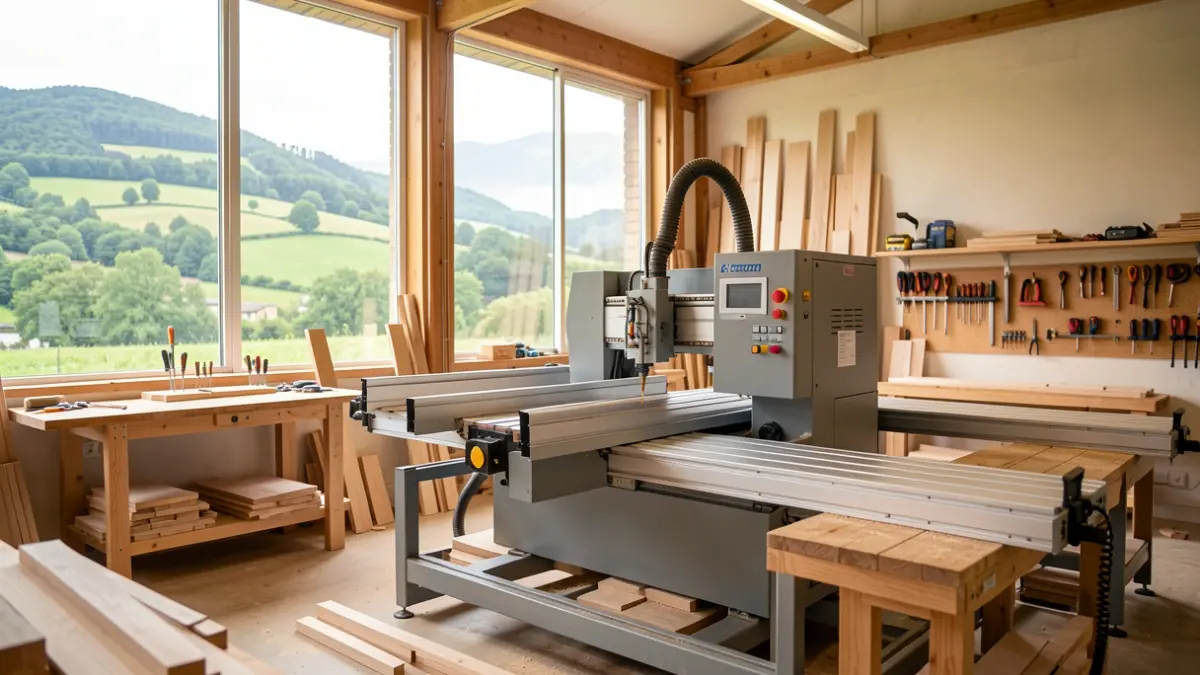
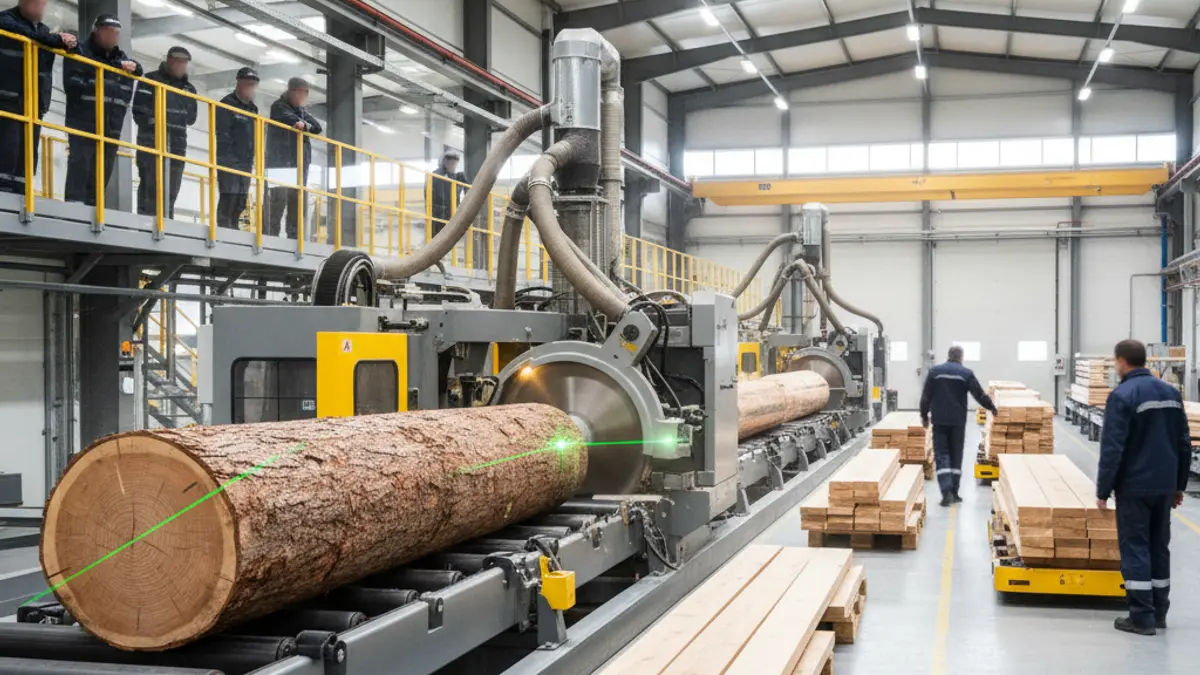
The new plant covers an area of 95,000 square meters and features advanced technology to process wood throughout its entire cycle, from log entry to industrial transformation. The production capacity for sawn timber will increase from 80,000 to 300,000 cubic meters annually, in addition to 60,000 cubic meters of annual drying capacity, primarily for radiata pine. The logs it can process can be up to 4.5 meters long and 60 centimeters in diameter. Maximum operational capacity is expected to be reached by June.
Etorki was founded in 1984 in Murga and specializes in the production and transformation of radiata pine wood. Lana, established in 1960 in Oñati, focuses on transforming wood into products such as three-layer boards for formwork. Their union as a cooperative (Lana S. Coop.), within the Mondragón Group, represents a significant scaling up with this new facility, improving efficiency and utilization, and adding greater value to the final product. It also aims to address new market demands, such as industrialized timber construction and sustainable packaging.
“"We want to be the largest and most efficient sawmill in southern Europe."
For the Basque Government, the new plant reinforces the role of the Ayala Valley as an industrial hub linked to the forestry-wood sector. It will generate "economic activity and direct and indirect employment, as well as boosting auxiliary services such as logistics, maintenance, and forest management." The project aligns with the objectives of the Basque Country's Strategic Wood Plan (PEMA), promoting local supply, traceability, and forest certification, as well as the comprehensive valorization of a renewable resource.