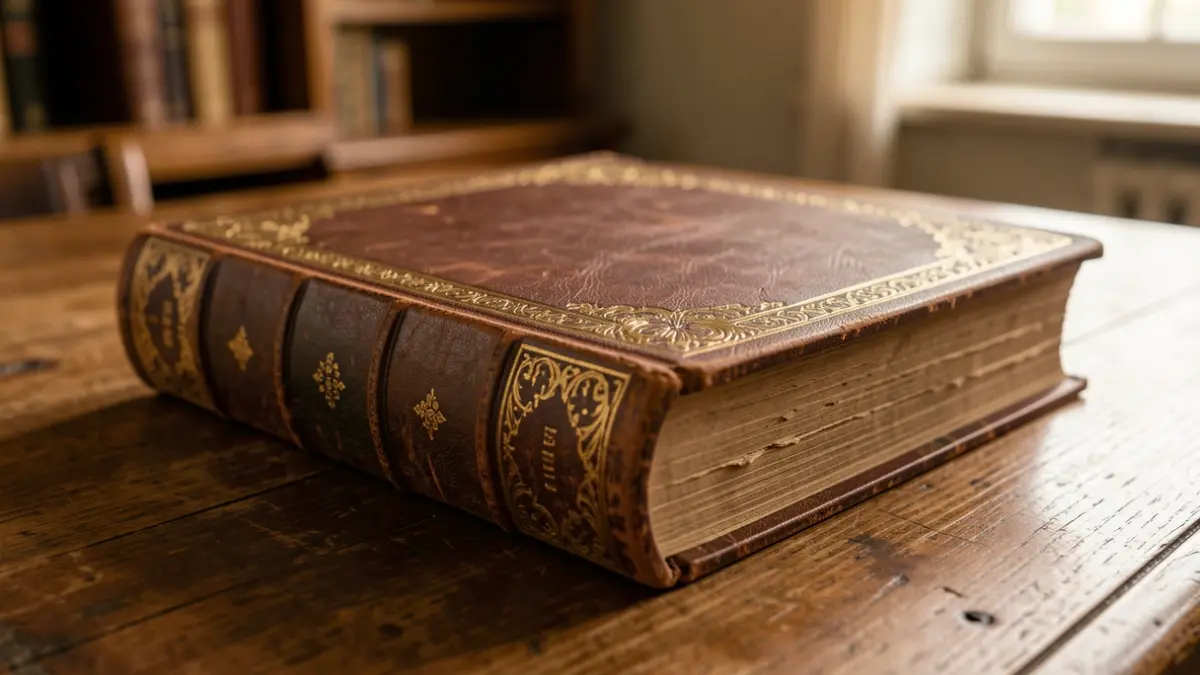
Dr. in Journalism and History, Roberto Rodríguez Andrés, has unveiled his latest work, 'Retratos del Valle de San Millán'. This book offers a perspective on the San Millán Valley, a well-known region in La Rioja, which, naturally, also echoes the territory of Álava. According to Rodríguez Andrés, despite its small geographical size, the influence of its monasteries has led many locals to move elsewhere and achieve a certain standing.
The book contains a total of 174 biographies. It features individuals such as Sebastián Herrán y Ureta, from one of the most prominent families in Álava's history. The author also revives the figure of his son, Joaquín Herrán y Ureta, a railway entrepreneur and the last mayor of Vitoria during the First Republic. The book notes that their genealogy dates back to the 16th century, with notable members including military figures, inquisitors, and politicians.
Reference is also made to Pedro Maestro y Peña, a merchant in Vitoria and father of Matías Maestro. Matías Maestro, born in the provincial capital, became an architect, sculptor, painter, and musician, rising to become the most important Spanish artist in colonial and post-colonial Peru. Details about Pedro Maestro y Peña are provided, including his residence on Zapatería street, but the author also focuses on his grandson, who studied with the Dominicans and attended the School of Drawing promoted by the Real Sociedad Bascongada de Amigos del País, where he won several awards.
Other figures appearing include Arsenia Reynares y Tovia, wife of Pascual Oñate, a pioneer of photography in northern Spain, whose establishment was located in Vitoria. Also mentioned is Millán de Berástegui y Ruiz de Otárola, a nobleman, holder of the Berástegui Mayorazgo, lord of the Torre de Zuazo de Gamboa, owner of the Palacio Maturana in Gasteiz, and a general procurator and deputy.
Further examples of individuals from Álava or those with a presence in the territory include Ana de Murga, a noblewoman settled in Salinas de Añana, where she gave birth to Diego de Zárate Murga, a prosperous merchant, Crown lender, and chief royal courier during the reign of Philip V. Additionally, Eudoro Casas is mentioned, a professor at the Normal School for Teachers in Vitoria and author of the book Compendio de Historia de España, which received numerous awards in the late 19th century.
These are some of the names featured in this book published by the San Millán de la Cogolla Foundation. The author initially believed the work would only resonate within the valley, but it is now in its second edition due to significant interest from individuals who emigrated over the centuries.
According to Rodríguez Andrés, "it is a research book but written in a popular science tone, intended for anyone interested in history and biography." The author has also made a considerable effort to include figures from the 20th century. The work reflects extensive research and preparation, constructing a look at those who, both within and beyond the valley, made history, both individually and collectively.