The Fournier Naipes Museum, located in Álava and coinciding with International Museum Day, is one of the few venues globally exclusively dedicated to playing cards. This space invites visitors to delve into a realm rich with technique, history, art, and even magic.
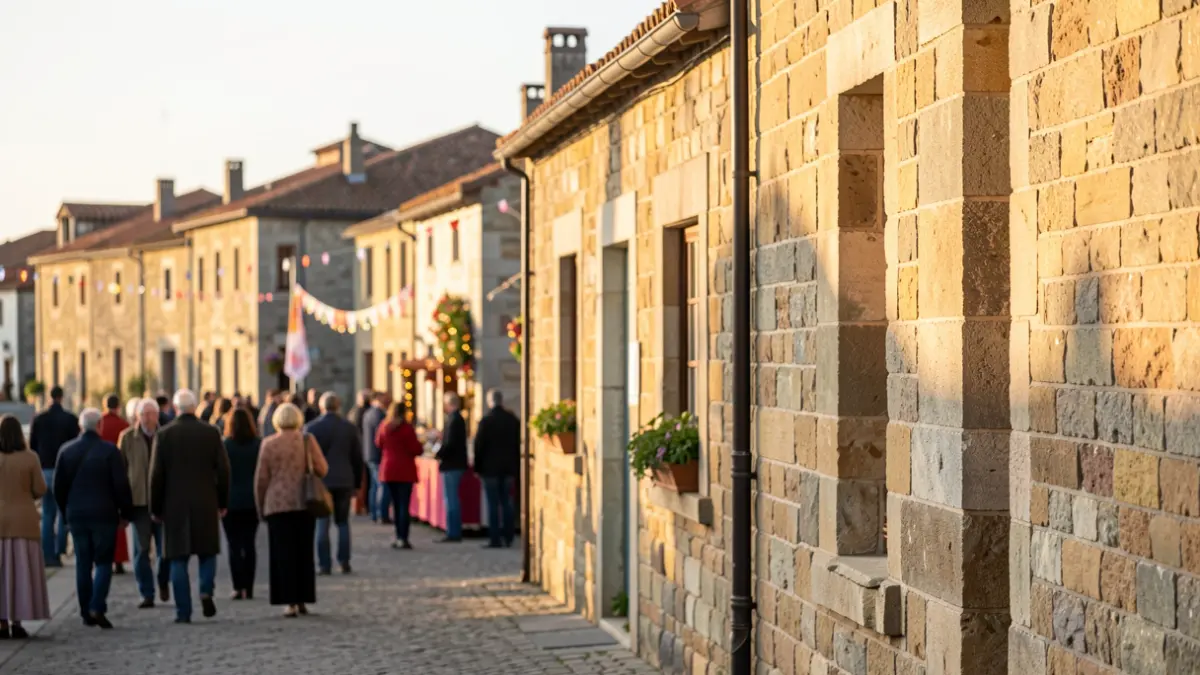
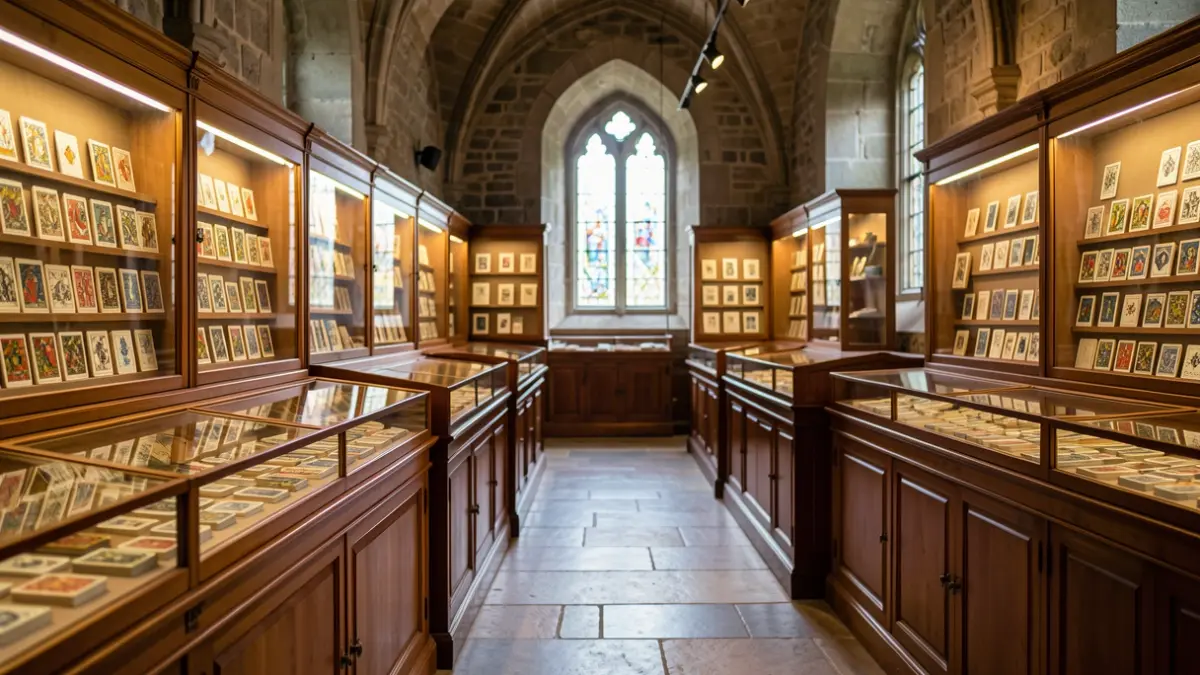
Housed within the historic Bendaña Palace, the museum boasts a collection exceeding 24,000 items. These decks, originating from five continents, represent various eras and manufacturing processes. The permanent exhibition is organized across several rooms, with displays kept in showcases to ensure optimal conditions for temperature, humidity, and lighting.
Beyond standard playing cards, the museum also exhibits illustrated decks that provide a comprehensive overview of art and history from the 15th century to the present day. The visit commences in the palace courtyard, where various printing techniques are explained, ranging from woodcut to offset, as well as methods involving metal matrices and lithography.
On the first floor, visitors can admire some of the oldest pieces in the collection, such as a Provençal deck and a German sheet from the Upper Rhine dating back to the Middle Ages, alongside the first lithographed decks produced in Spain during the 19th century. The diversity and composition of these decks highlight the vast array of games played across centuries and cultures. Special attention is given to the history and evolution of the playing card company founded in Gasteiz by Heraclio Fournier.
The second-floor rooms feature thematic collections of playing cards covering history, heraldry, customs, literature, geography, music, mythology, astronomy, divination, magic, and tarot. With numerous notable pieces and some on loan, the Fournier Naipes Museum of Álava offers a perfect opportunity to discover how these elements have borne witness to countless stories.
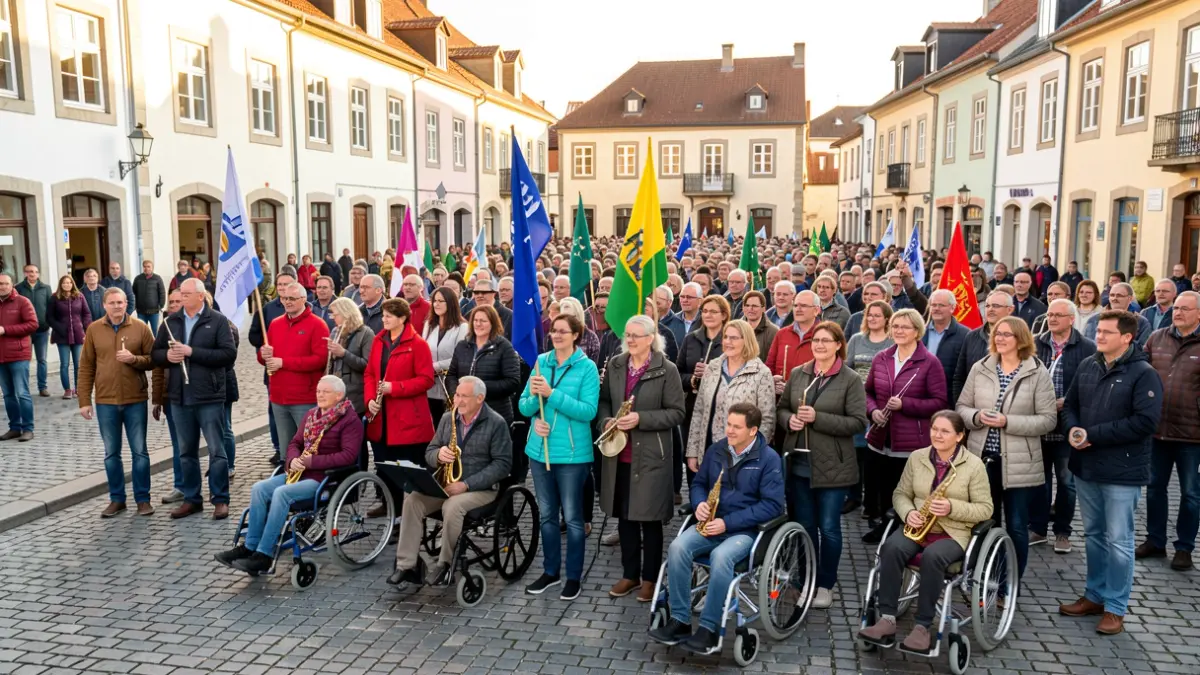
The museum provides numerous visitor facilities: physical accessibility (accessible spaces, wheelchairs, free folding stools, adapted counter), auditory (magnetic loop at reception), and visual (technical aids kit). Guide dogs are also permitted. Free audio guides are available, with content accessible via QR codes and web downloads, alongside educational programs, guided tours, workshops, and virtual tours.