
The streets and squares of Vitoria-Gasteiz are filled with names of all kinds. While many have no connection to the place they designate, others do. These are the toponyms that existed even before the streets, lampposts, or buildings themselves, constituting historical names. Some of them name modern areas like Arkaiate or Lakua, but their denomination dates back much further.
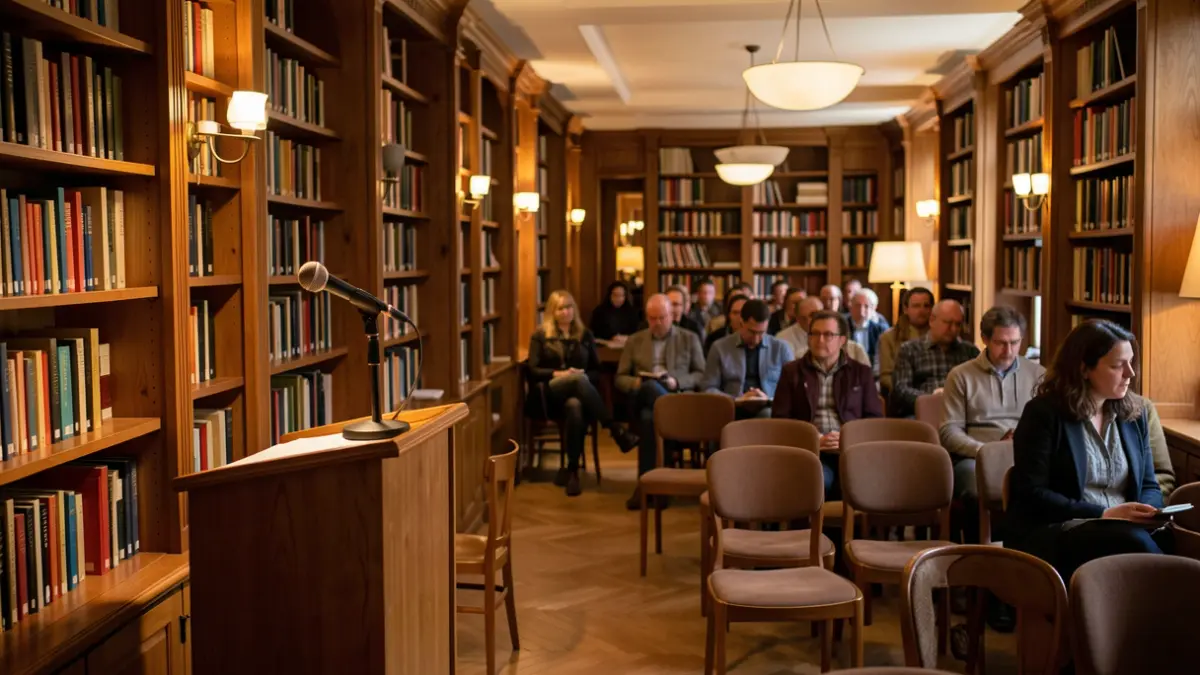
An exhibition directed by a philologist highlights the importance of toponymy as a discipline interconnected with many others. Toponyms can allude to the orography of the terrain, the flora and fauna present or past, or even constructions. Therefore, a toponymist must possess knowledge not only of linguistics but also of geography, history, and archaeology. For example, Errekaleor (from erreka, river) is a toponym that provides orographic data.
“"Toponymy is a discipline that is interrelated with many others. These terms can allude to the orography of the terrain, the flora and fauna that exist or existed in that place. They can also be related to constructions. Therefore, a toponymist must have knowledge not only of linguistics, but also of geography, history, archaeology..."
The Reja de San Millán document is crucial for Álava's toponymy. This record, one of the oldest known (from the year 1025), mentions the names of 307 localities in nuclear Álava. The significance of this document lies in the names it contains, such as Gasteiz, Zuhatza, and Aretxabaleta, being vital for the study of Basque philology and the evolution of terms to the present day.
The term Álava (Araba) has been a subject of debate among linguists. The most accepted theory, supported by authors like Alfonso Irigoyen, suggests that Araba derives from the Basque word Laua (the flat), preceded by the ancient article. Thus, A-laua would have phonetically evolved into Álava, which makes geographical sense given that the heart of the province is the Llanada Alavesa, a vast plain surrounded by impressive mountain ranges.
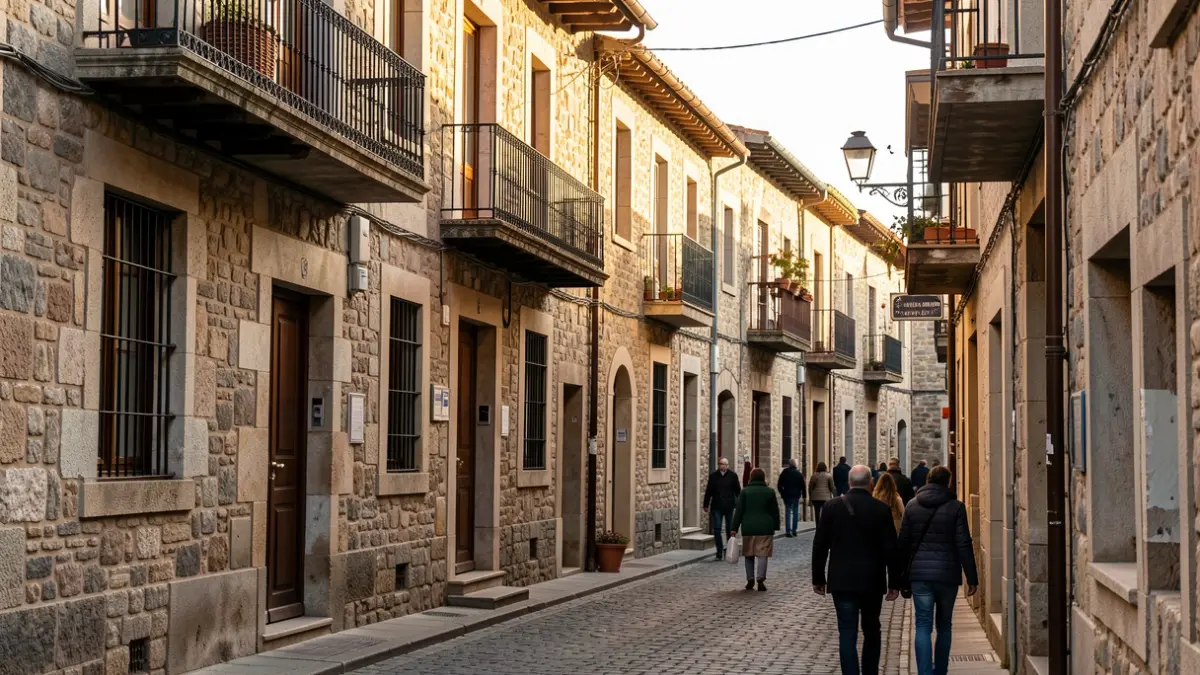
The double name Vitoria-Gasteiz is not an administrative whim but an act of historical and linguistic justice. Long before the walled city existed, there was the village of Gasteiz. Its most probable etymology refers to a personal name: Gaste (meaning young in old Basque, also the origin of the surname García). The suffix -iz is patronymic or possessive, indicating that Gasteiz would be the place of Gaste. In 1181, the Navarrese king Sancho VI the Wise founded a town on this strategic village, giving it the Latin name Victoria. For centuries, Vitoria was the official and Romance name, while Gasteiz survived in the Basque speech of the surrounding villages until official recognition united them forever.
The imprint of the Roman Empire is evident in the Llanada Alavesa, where names ending in -ana (Lupidana, Maturana, Adana) and -ano (Miñano, Bitoriano) are frequently repeated. These toponyms are anthroponyms, names of ancient owners of Roman villas, such as Lopidana, which derives from Lupus (Lope), meaning Lope's estate. The suffix -ano is a clear indicator of Roman heritage, denoting possession or origin, as seen in Zambrano or Ochandiano.
The descriptive geography of Basque has also left its mark. While the south and center of Álava show a strong Latin influence, the north and the Alavese mountains retain names that are authentic verbal photographs in Basque. For example, Mendizorrotza (sharp, pointed mountain) is documented from the 15th century. The neighborhood of Arriaga comes from arri (stone) and -aga (place of), referring to stony areas near the Zadorra river. Zabalgana, from zabal (wide/flat) and gain (high), describes the wide plateau where the new neighborhood is located.
The toponymic richness of Álava is a living testament to its complex history, reflecting Roman, Navarrese, Basque, and Castilian influences. Traveling through Álava is like reading a history book written by peasants, kings, and geographers. Understanding that Gasteiz is the place of Gaste or that Álava is the plain connects us with our ancestors, who, like us, looked at these mountains and decided to name them to feel them as their own.