As the season of the year's highest temperatures is about to begin, the San Sebastián City Council has reminded citizens of the extensive network of climate shelters available in the city. Currently, there are 93 spaces, and four new public squares will now be added, distributed throughout the city's neighborhoods.
The current network of protection from the sun comprises 37 public buildings (cultural centers, libraries, museums, sports centers, and shopping malls) and 56 green areas (parks, gardens, and shaded promenades). According to Greenpeace data, San Sebastián is the Spanish city with the most climate shelters per inhabitant, with approximately one shelter for every 2,000 residents.
The Councilor for Environment, Iñigo Garcia, announced that the four newly incorporated public spaces are Lourdes Iriondo, Maria Zambrano, Reno, and Zuhaizti squares, after verifying they meet the appropriate conditions. The council plans to add more spaces soon, such as the Arrandegi building in La Bretxa and the Koldo Mitxelena cultural center, once their respective remodeling processes are completed.
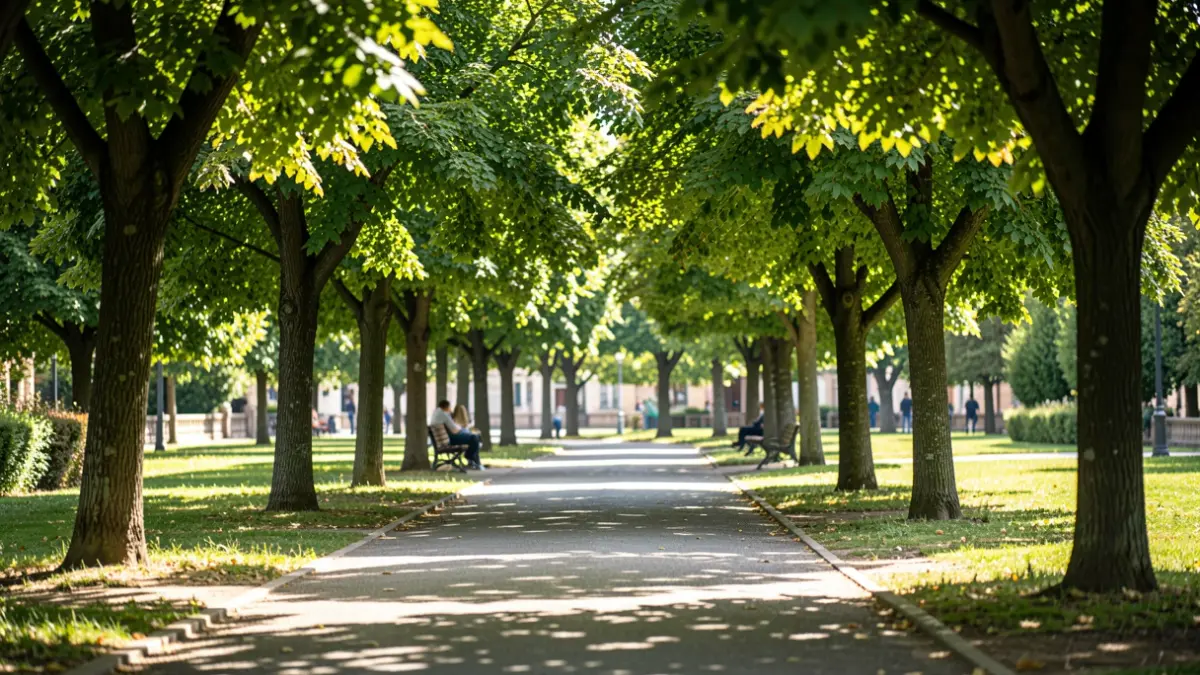
As a novelty, this year a network of 60 'green routes' has also been identified to facilitate urban travel in the shade and reduce exposure to high temperatures. Examples include the Paseo de los Fueros, the Pasaje de Francia along the river, the Paseo de Txaparrene, and Avenida de Tolosa. Garcia explained that 'in these sections, trees create natural shaded paths, offering more comfortable conditions for walking during heatwaves'.
Furthermore, information posters on health recommendations will be displayed in several municipal buildings and other frequently used locations during the summer, and brochures about the climate shelter network will also be distributed.