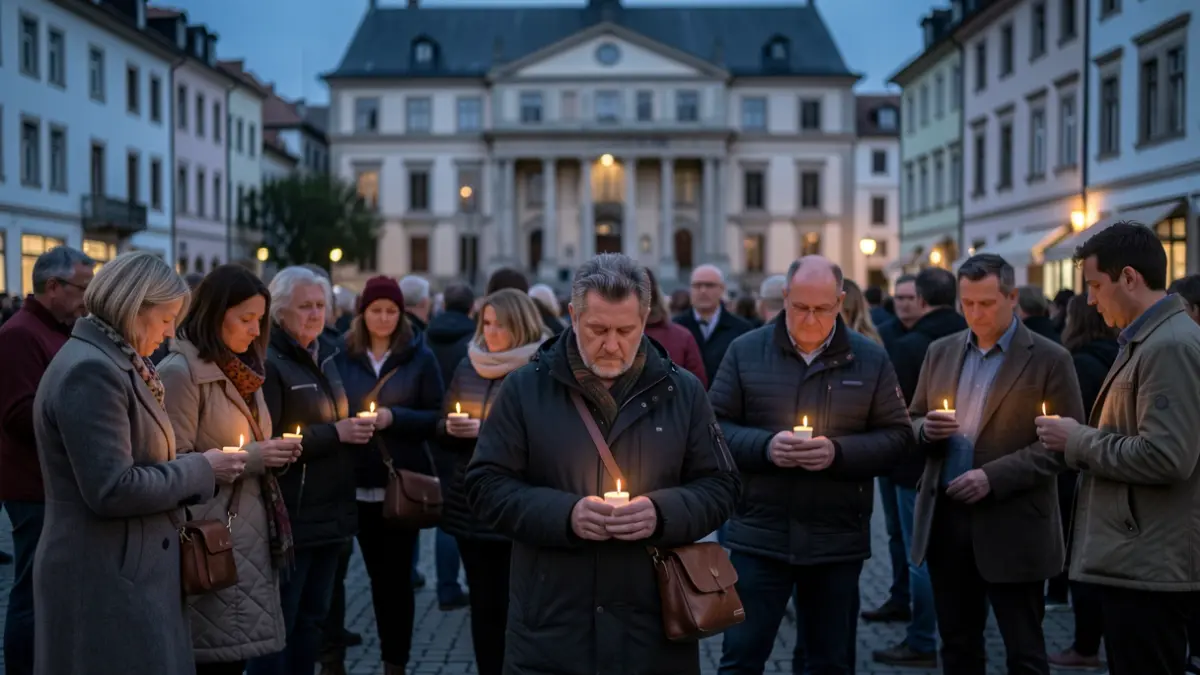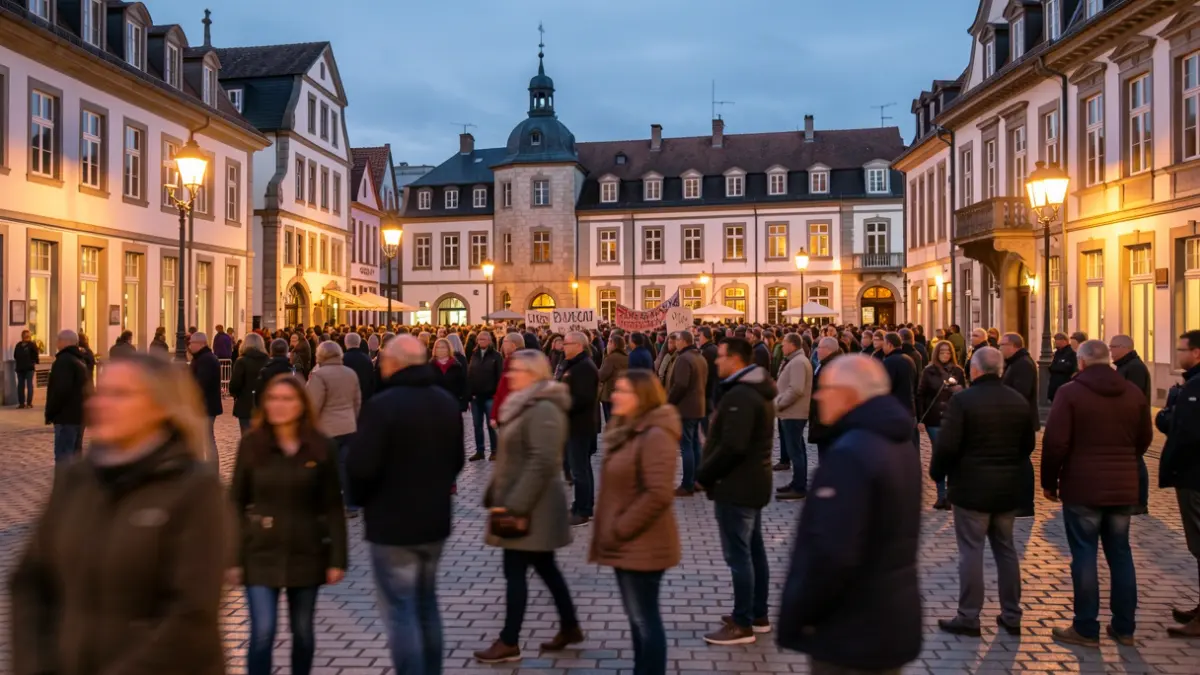
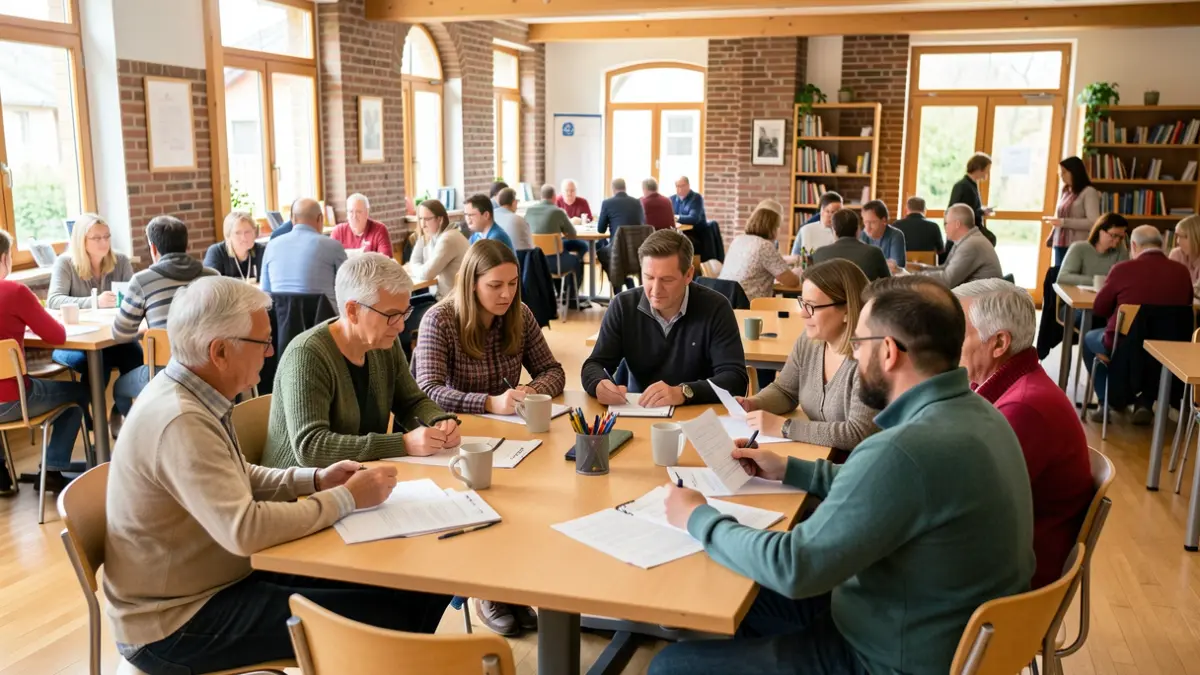
The event brought together around 60 people, including technical staff, members of senior associations, municipal entities, and social and community agents. The primary objective was to gather initial contributions for the second participatory diagnosis of Getxo Lagunkoia.
During the session, participants engaged in various work dynamics and reflections to identify priorities and define new lines of action for the coming years. The meeting also served to acknowledge the progress made to date and renew the collective commitment to a more cohesive and participatory community.
As highlighted by the Councillor for Social Cohesion, the idea is for the project to "emerge from listening, daily experience, and the participation of people who live, care for, and build community in the municipality. Getxo Lagunkoia speaks of the city model we want to build. It speaks of infrastructure, coexistence, social cohesion, intergenerational justice, and how we organize spaces, services, and relationships so that Getxo is a worthwhile place to live at all ages."
The project, initiated nearly a decade ago, draws inspiration from the World Health Organization's (WHO) Healthy Cities and Communities initiative and Euskadi Lagunkoia. This work has led to advancements in various areas. "Society has changed, and building a friendlier Getxo is a city-wide task. It involves viewing aging from a transversal, community-based, and shared perspective," state the City Council. Consequently, attendees were divided into working groups to review and contribute to the focus areas of Getxo Lagunkoia, which encompass transport, housing, outdoor spaces, social and health services, respect, inclusion and intergenerationality, volunteering, sports, leisure, and culture.