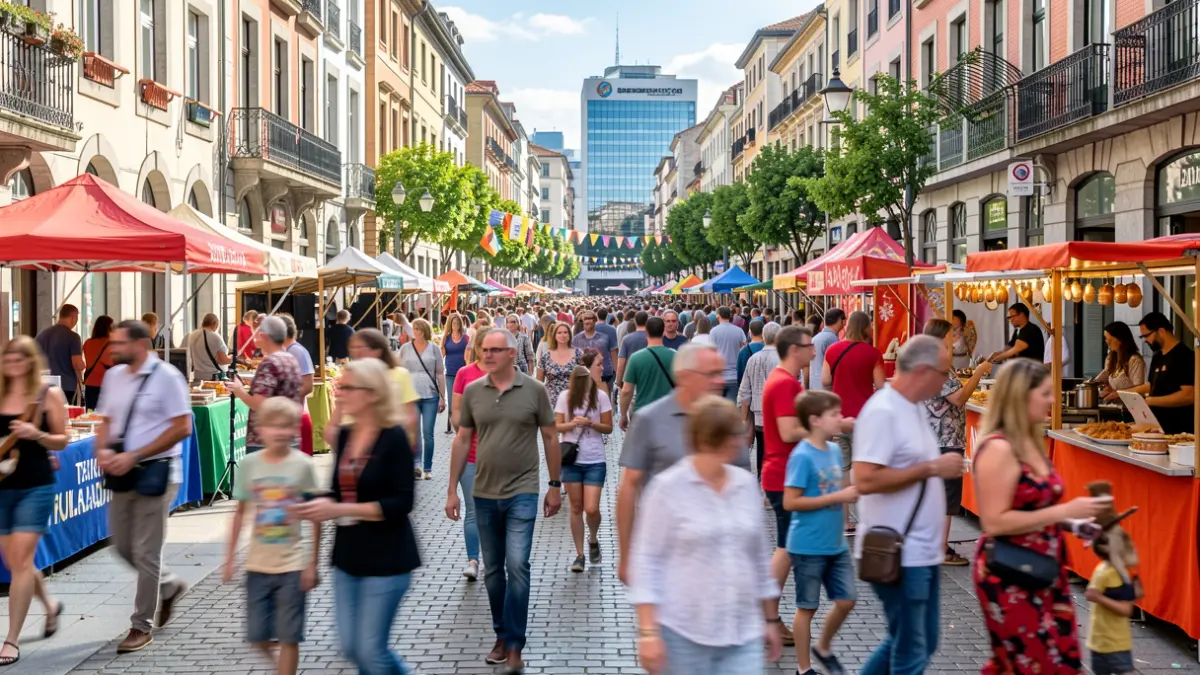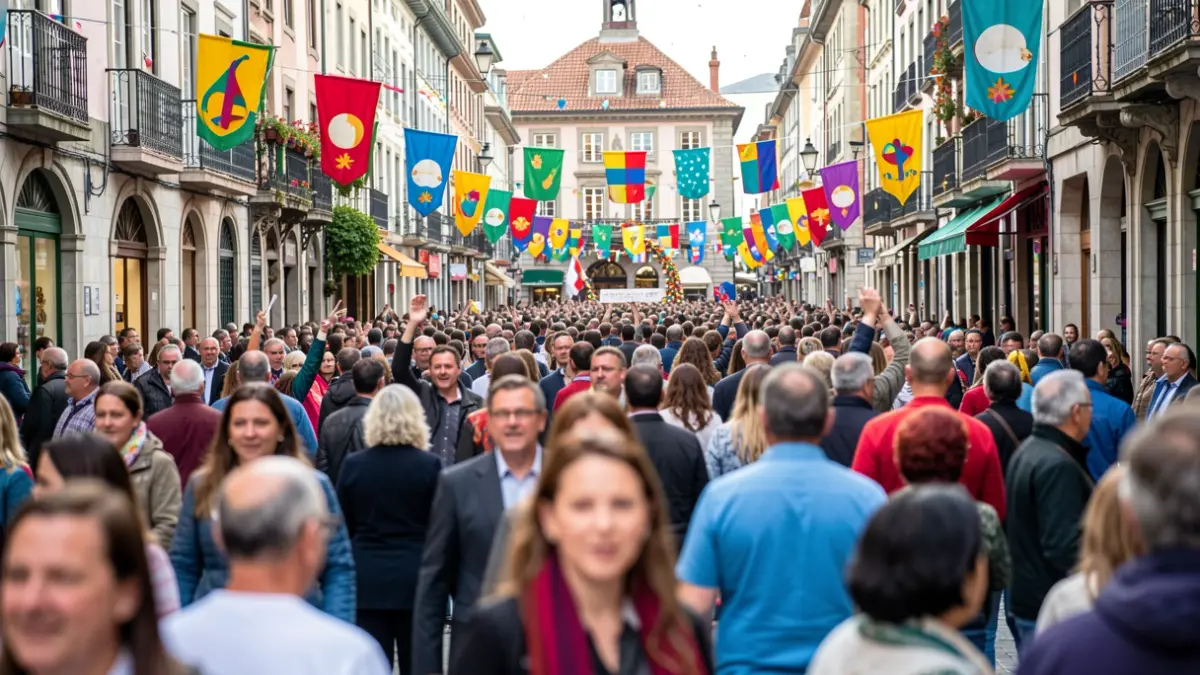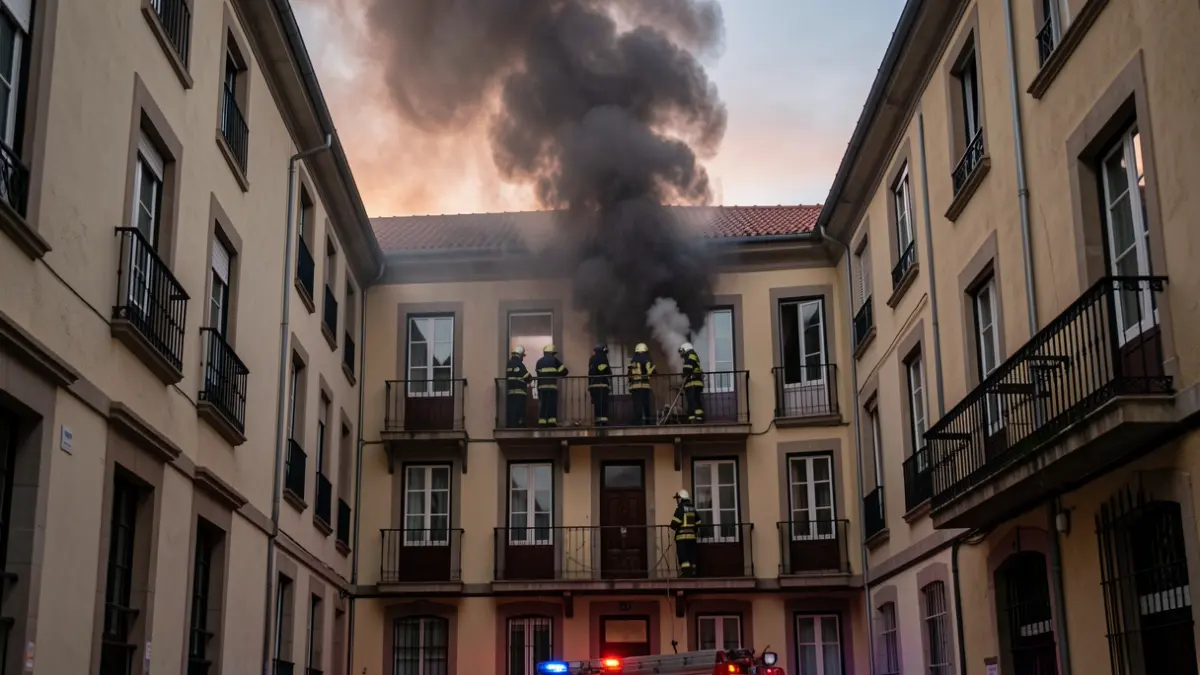
The Basque public can now know that the Government of Euzkadi had its own dedicated space at the 1937 Paris International Exposition, where the world first witnessed Pablo Picasso's Guernica as the war raged on.
Documentation preserved by the Department of Justice and Culture reveals how the Executive organized this participation in the French capital. The 1937 Paris International Exposition ran from May 25 to November 25. Within this context, Picasso's Guernica was publicly exhibited for the first time on July 12, 1937, coinciding with the inauguration of the Spanish Pavilion.
Documents dated between December 1936 and April 1937 highlight the direct involvement of counselor Jesús María de Leizaola in preparing the Basque participation. They also illustrate the functioning of a cultural administration operating during wartime, while the Basque territory endured bombings.
One of the most significant documents, dated April 19, 1937, in Bilbao, just a week before the brutal bombing of Gernika, orders the travel to Paris of José María Uzelai, Director General of the Bilbao Fine Arts Museum, to study the organization of Euzkadi's presence at the Exposition.
Two days prior, on April 17, 1937, the Department of Justice and Culture had sent a telegram to Minister Indalecio Prieto, detailing planned contents for the Basque space. It mentioned 'artisan groups' and various fields related to Basque tradition and industry, including 'rural trades,' ceramics, pelota-related crafts, basketry, boat building, rowing, and 'Eibar trades such as shotgun decoration'.
The Basque representation was set to include 'approximately 160 paintings and 12 sculptures.' Additionally, materials related to 'labor, social assistance, war, tourism, and culture' were planned through 'photographs, brochures, and others.' Euskadi's allocated space was an exclusive location on the second floor, identified as number three on the plans.
The organization of this international presence coincided with the development of an administrative structure for culture and heritage. The Basque Government was simultaneously working on decrees for artistic and historical conservation. A document from December 12, 1936, informed the President of Euzkadi about two draft decrees: one on 'building demolitions' and another on the 'creation of the National Council of Culture'.
Another official text from April 14, 1937, from the Directorate General of Fine Arts, reflects institutional concern for the state of historic buildings in the loyal zone of Euzkadi, warning that any requisition must consider their heritage protection.
Official letterheads were drafted in Basque and Spanish, referencing the 'Government of Euzkadi' and the 'Department of Justice and Culture,' indicating the broad responsibilities assumed by the department during the war.