Thousands of people pass daily in front of the Ribera Market, but few know that one of the most historic buildings in the entire city is located there. In the heart of Bilbao, the Arana Palace remains standing, considered the oldest palace in the town and one of the examples of Renaissance architecture still preserved in the Old Town.
The history of this emblematic building has reawakened interest after a real estate agent, known on social media, shared a video explaining some of the lesser-known details of this historic corner of Bilbao. The Arana Palace was built around the year 1590, during a key period for Bilbao's urban development. In the 16th century, the town suffered a major fire and two floods that transformed much of its urban structure. As a result of these changes, new, more solid and representative constructions began to be erected for the wealthiest families of the time.
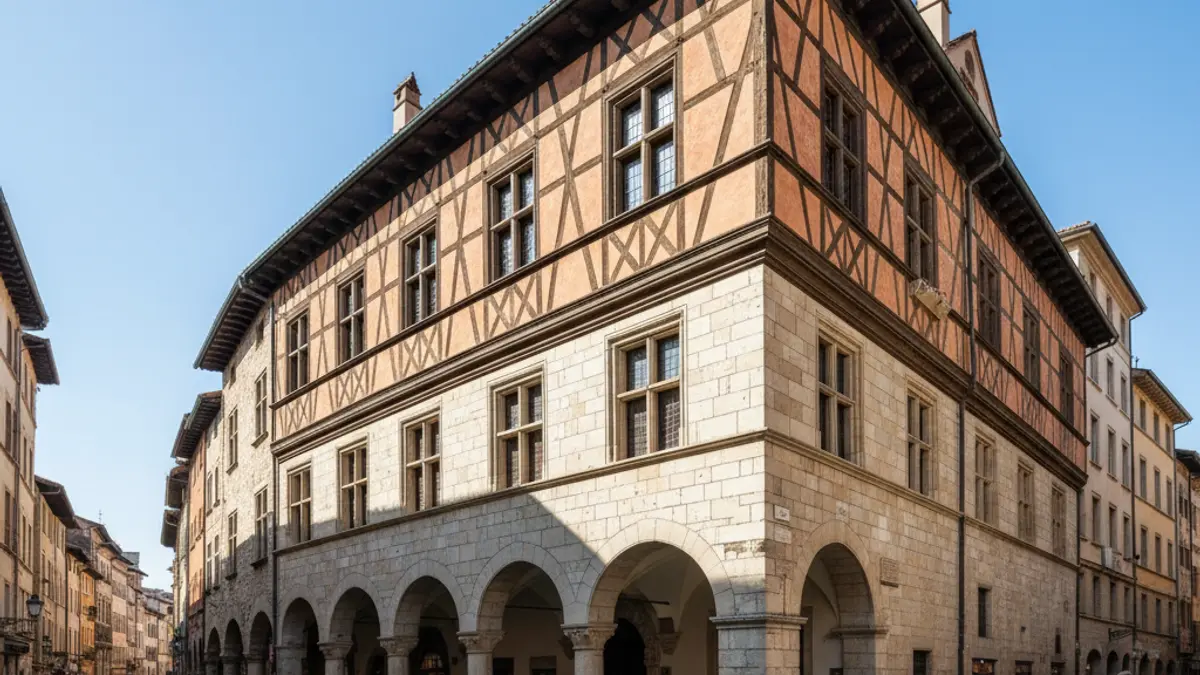
In this context, urban palaces emerged, stately residences built by influential lineages seeking to reflect their social position within a city experiencing rapid commercial growth. The Arana Palace is one of the best-preserved examples from that historical moment. Its facade, where stone, wood, and warm colors blend, still stands out today among the arcades connecting to the Ribera Market area.
One of the aspects that adds the most historical value to the building is its architectural style. The property belongs to the late Renaissance, an aesthetic currently uncommon in the Old Town due to the multiple urban transformations Bilbao has undergone over the centuries. Among the most striking elements of the building is its large entrance portal located on Belostikale street. Ornamental details linked to the noble architecture of the era can still be seen there.
Furthermore, the building preserves a noble coat of arms related to the Etxebarri and Aguirre lineages, families that had a significant presence in Bilbao's history and symbolize the economic and social power concentrated by some houses in the town during those centuries.
The location of the Arana Palace is not accidental. For centuries, the most influential noble and merchant families sought to establish their residences near the estuary and the main points of economic activity in the city. The area of the Siete Calles was then one of Bilbao's most important centers, both for commercial and defensive reasons. Therefore, numerous families built stately homes and urban towers there that served both as residences and as symbols of prestige.
Although several similar noble constructions existed throughout the Old Town at that time, many disappeared over time due to fires, urban reforms, and new buildings. The Arana Palace is one of the few that has managed to remain standing, preserving part of its original structure.
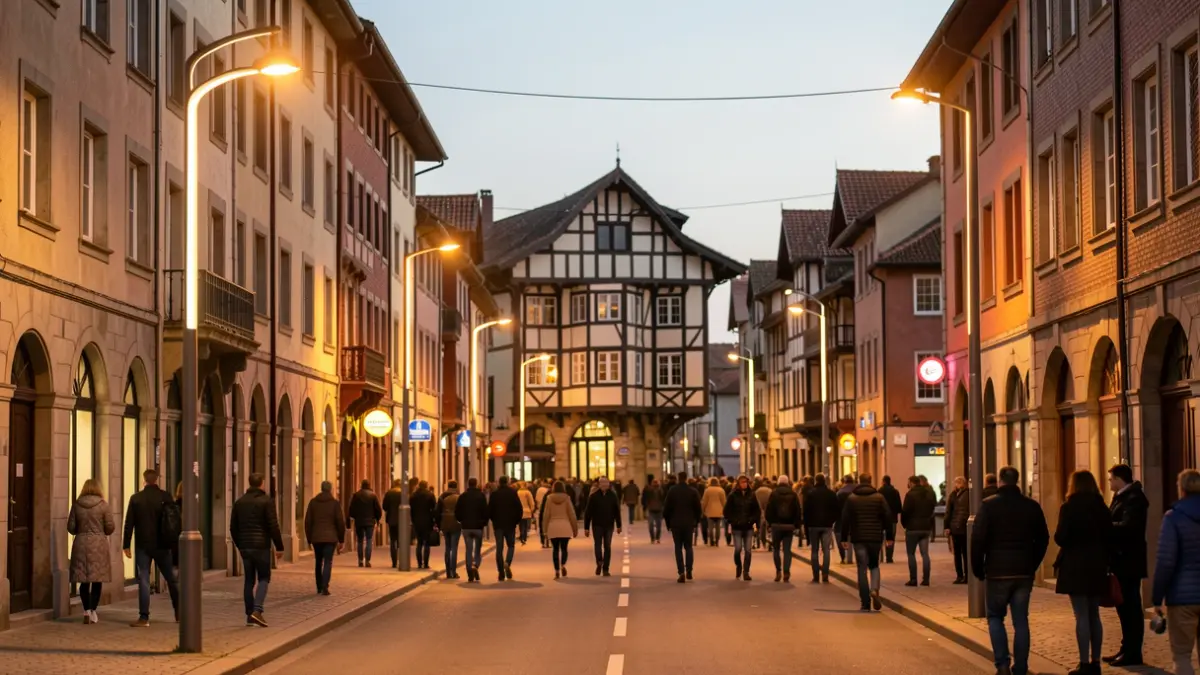
Currently, the building functions as a residential property and is part of the daily life of the Old Town. Its arcades are crossed daily by residents, tourists, and visitors exploring one of Bilbao's busiest areas. However, a large part of the people who pass by it are unaware that they are in front of one of the city's most important historical buildings. Precisely this mix of daily routine and centuries-old history is what makes the Arana Palace one of Bilbao's most curious corners.
Social media has contributed in recent months to sparking interest in these types of lesser-known places. Publications about historic buildings, architectural details, or urban curiosities are leading many residents to rediscover corners they have been passing for years without stopping.
The Arana Palace is not the only place with history that still preserves the essence of older Bilbao. The Olabeaga neighborhood, with its maritime and industrial past next to the estuary, remains one of the city's most distinctive corners. Also noteworthy are spaces such as Santiago Square, next to the Cathedral, where one can still feel part of the medieval atmosphere of the town's origins, or the historic La Concordia Station, considered one of Bilbao's most important modernist jewels. All of them are part of that less visible but history-rich Bilbao that is increasingly attracting interest from both tourists and Bilbainos themselves. Places that remind us that, beyond the great modern icons, the city still holds authentic architectural treasures among its busiest streets.