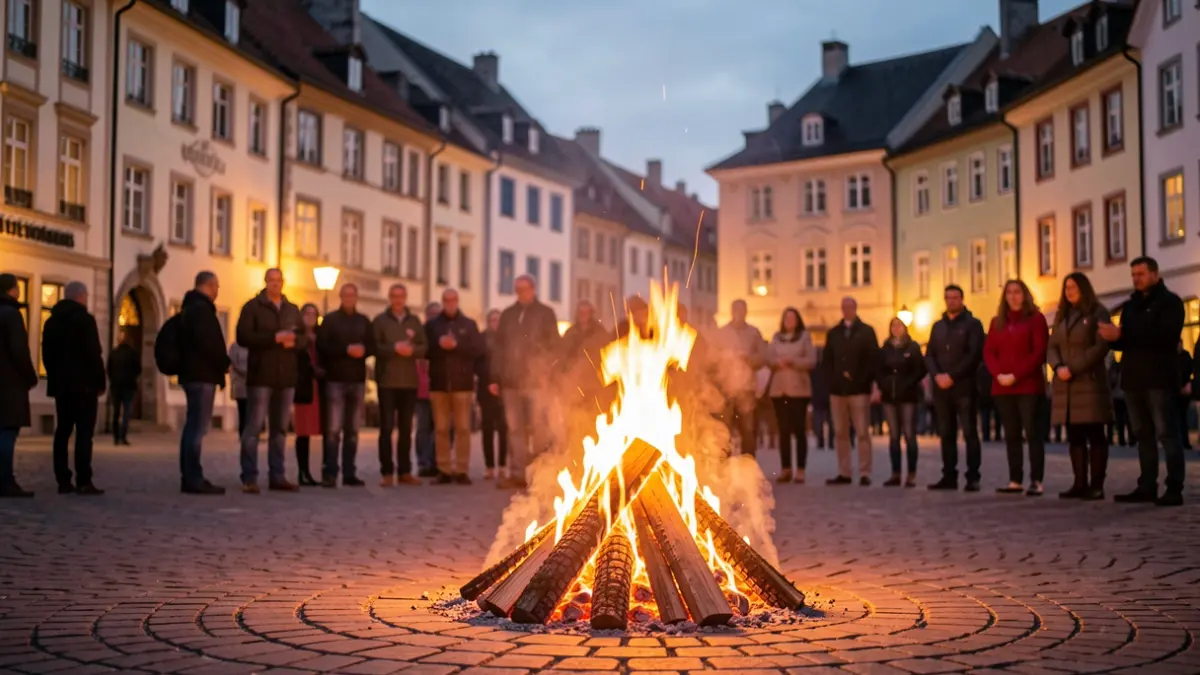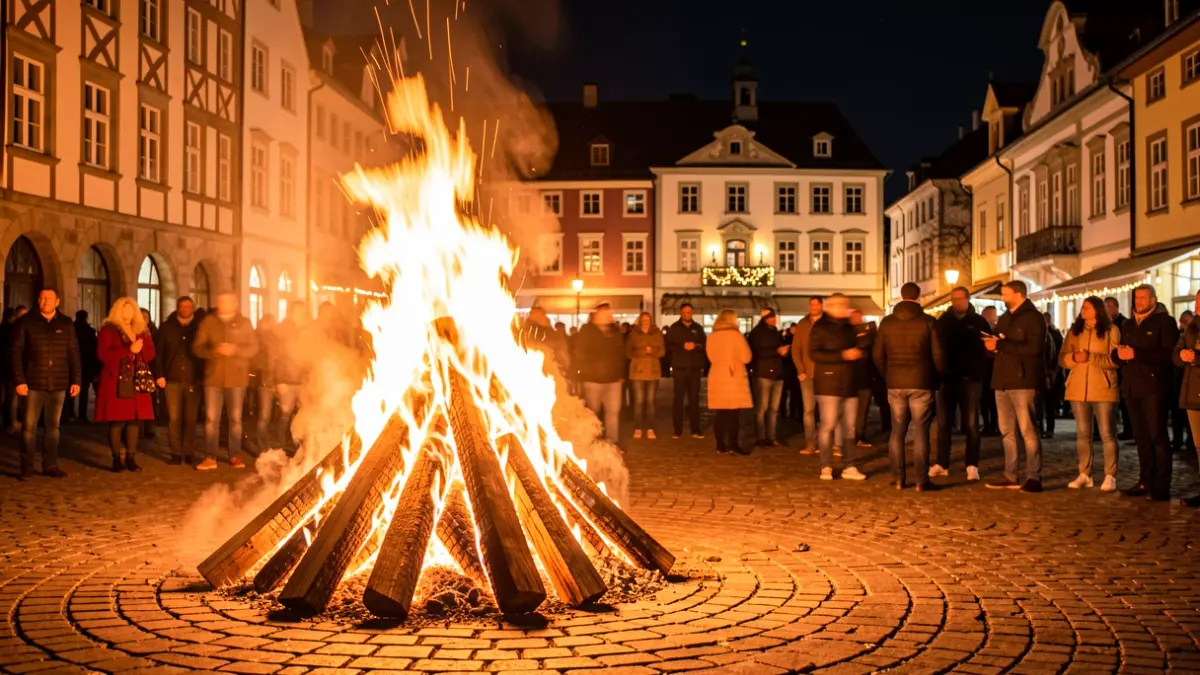
The most magical night of the year will be without fire in a large part of Bizkaia this Tuesday. The traditional San Juan bonfires, which illuminate squares, neighborhoods, and towns across the territory every June 23rd, have been extinguished before even being lit. Municipalities from all regions have opted to suspend the celebrations due to an exceptional meteorological situation: temperatures reaching or exceeding 40 degrees, extreme risk of forest fires, and a red alert that will last at least until Wednesday.
The decision to cancel some of the most ingrained celebrations in the Biscayan festive calendar reflects the extent to which the heatwave has disrupted daily life in the territory. The Basque Government's Directorate of Emergency and Meteorology recommends avoiding lighting fires near forest masses, while the Department of Security has activated Situation 0 of the LABI in response to an episode forcing administrations, companies, and citizens to adopt exceptional measures.
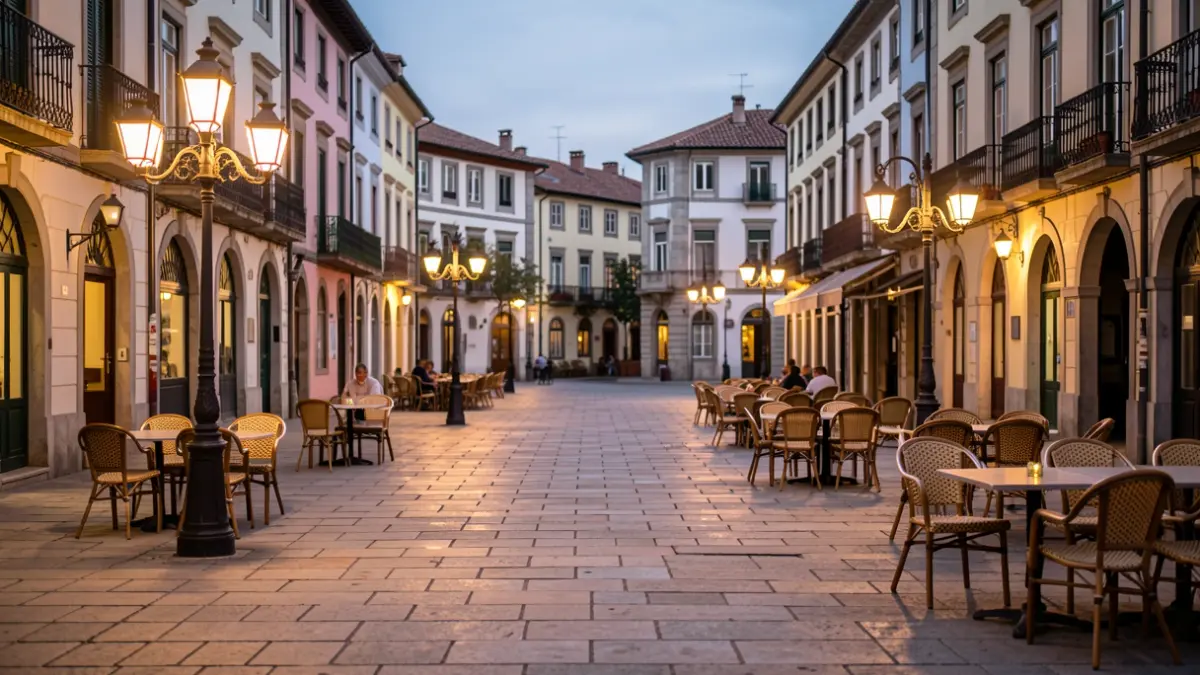
The image of this early summer is one of a Bizkaia seeking refuge from the heat. City councils in various municipalities have set up air-conditioned spaces, extended swimming pool hours, or installed water points to alleviate unusually high temperatures. In towns like Santurtzi or Portugalete, hoses and water jets have been placed in squares and public spaces, while others have suspended outdoor activities or restricted the use of sports facilities during the central hours of the day. Barakaldo has advised its residents not to go outside.
Changes are also occurring in less visible but equally significant areas. Some town halls, like that of Basauri, have temporarily canceled activities for the elderly, deeming the venues inadequate for such high temperatures. Companies across various sectors have advanced their working hours to protect employees during peak risk periods, and numerous businesses have reduced their afternoon operations or closed altogether due to a drop in customer traffic.
“"In the afternoon, you don't see a soul on the street and nothing sells. It's best to close to avoid dying of heat. The shops don't have air conditioning."
In Igorre, the Gau Lora bar has modified its hours, closing between 4:00 PM and 6:00 PM this week to avoid the most suffocating hours of the day. "From Monday to Thursday, which are the busiest days, we close for those two hours so our staff can hydrate and rest," explain Viki and María, co-owners of the establishment.
Taking the bus during peak hours has become a challenge. Unlike in other cities where some bus shelters have air conditioning or more generous shaded areas, in Bizkaia, many users seek refuge wherever they can: under the roof of a nearby building entrance, next to a tree, or clinging to the narrow strip of shade cast by a building. María Luisa Goikoetxea comments: "I had no choice but to take the bus to go to Bilbao, and this heat is unbearable. Even the flies are falling dead."
The breakdown registered on Monday in Metro Bilbao highlighted the pressure on essential services during extreme heat. The Bilbao city council itself decided to suspend all events planned for the town's anniversary.
The last red alert for extreme heat in Euskadi dates back to August 2023, but the current one presents a concerning differential element for institutions: persistence. It's not just exceptional temperatures, but several consecutive days of intense heat, with tropical nights that hinder rest and increase health risks.
While waiting for thermometers to offer some respite, Bizkaia faces a week that could become one of the hottest on record. A week that is measuring the response capacity of municipalities, public services, and citizens to a climate reality that no longer seems like a one-off exception, but an increasingly frequent phenomenon.