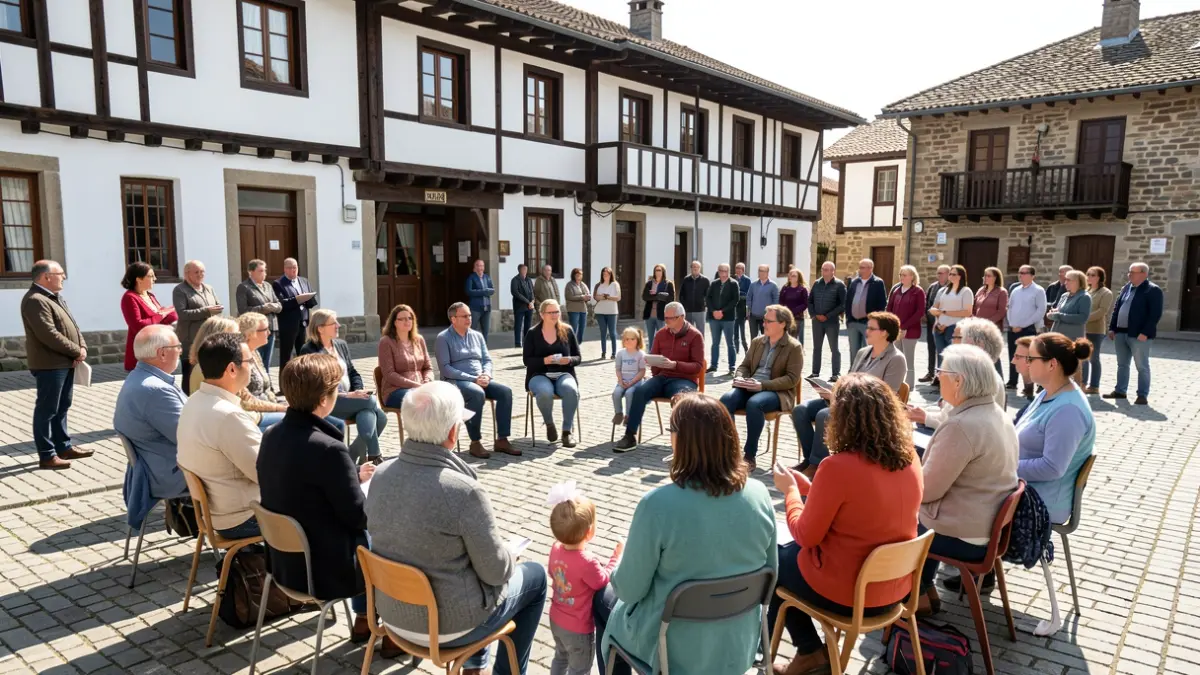

The Lazkao City Council has officially unveiled the new digital guide 'Astotxoaren arrastoa jarraituz'. This initiative offers a different way to explore the municipality, connecting with its history, heritage, and traditions through games and technology. The official presentation was attended by Azahara Domínguez, Deputy for Mobility, Tourism, and Territorial Planning; Kepa Zubiarrain, Mayor of Lazkao; Niko Osinalde, Director of Goitur; Aritz Goikoetxea, Councilor for Education; and Libe Otegui, Director of Tourism for the Provincial Council, who provided details about the project.
The proposal revolves around the figure of Astotxo, the donkey protagonist of the traditional Astotxo Eguna festival, who serves as the guide for the route. Through a mobile application, participants follow its steps through various emblematic points in the municipality, where they encounter tests, riddles, and challenges related to local history.
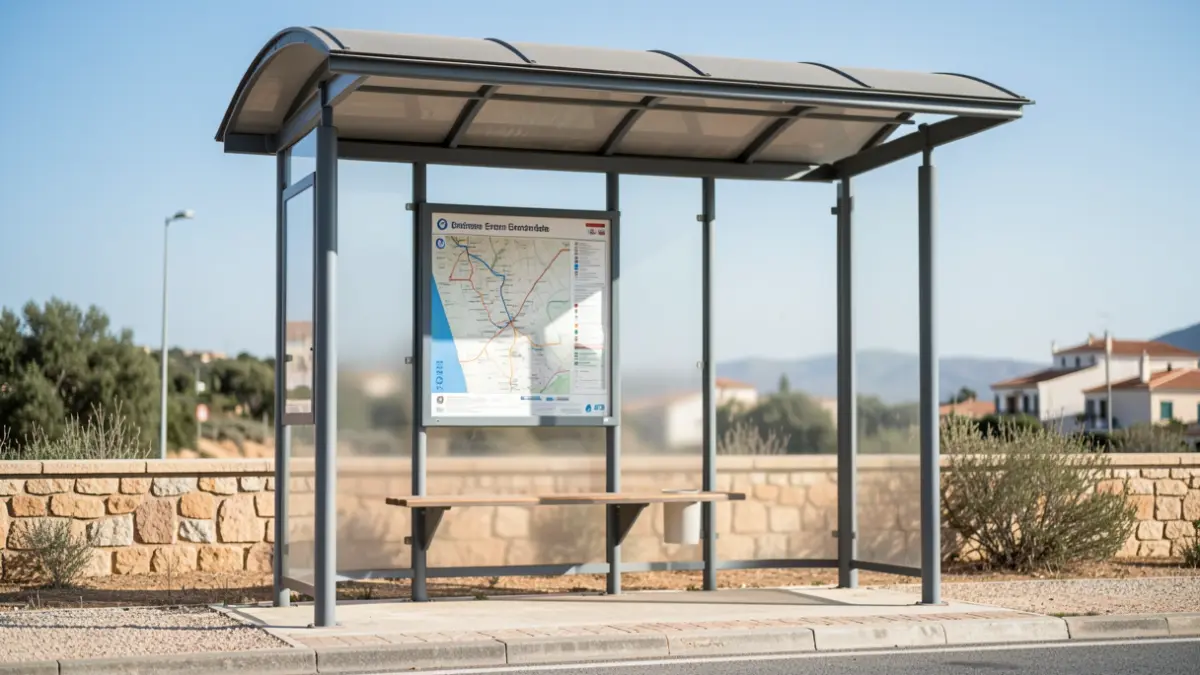
The itinerary covers approximately 1.5 kilometers and is estimated to take about 60 minutes, allowing for an accessible, flexible activity suitable for diverse audiences. To start the gymkhana, an information panel has been installed at the City Hall, indicating the starting points and providing the necessary instructions to begin the route and solve the different challenges, aiming to promote knowledge of local history and leisure in the town.
Each stop is designed as a small educational challenge. Participants must carefully observe elements of the urban environment—such as buildings, sculptures, plaques, or historical details—to correctly interpret clues and advance in the activity. In this way, the game becomes a tool for discovering Lazkao's heritage from an active and participatory perspective.
One of the gymkhana's most notable aspects is the integration of cultural references and relevant local figures. These include characters like Lazkao Txiki, a renowned local bertsolari (improvised poet), as well as elements linked to traditions such as pelota (Basque handball) or the monastic life of the area. This combination ensures the experience is not only fun but also a journey through the town's collective memory.
The activity's design aims to connect each clue with Lazkao's identity, fostering an understanding of its heritage from an approachable and entertaining perspective. The proposal is based on the idea of learning while walking, observing the surroundings, and discovering details that often go unnoticed in daily life.
During the presentation, authorities emphasized that this project is driven by a clear vision to promote sustainable tourism, encourage responsible mobility, and introduce the municipality's history in an innovative way. The combination of technology and urban space creates a tourist and educational resource that can be completed autonomously, without the need for guides or fixed schedules.
Deputy Azahara Domínguez highlighted that such initiatives allow visitors and residents of Gipuzkoa to «playfully and enjoyably delve into the heart of Goierri», appreciating the environment with respect and sustainability. She also stressed its role in the strategy to de-seasonalize and de-localize tourism, aiming to strengthen the offerings in inland Gipuzkoa and generate balanced wealth throughout the year.
The project transforms mobile technology into a tool for cultural dissemination. The application guides users step by step, turning the urban space into a game board where each element of the environment takes on new meaning. This experience strengthens the connection between citizens, tourism, and local heritage.
The Mayor of Lazkao, Kepa Zubiarrain, expressed the municipality's pride in this new initiative, which blends culture, history, and technology to offer a unique experience. He emphasized that the gymkhana allows for a fun and educational discovery of Lazkao, while also highlighting the importance of Astotxo Eguna as a symbol of local identity.
During the presentation, mobility issues were also discussed. In a meeting with Deputy Azahara Domínguez, the mayor conveyed the need to improve the municipality's connectivity, particularly regarding connections with San Sebastián.
Zubiarrain highlighted the importance of increasing the frequency and accessibility of public transport, both on weekdays and weekends, to facilitate mobility for residents and visitors. He explained that these improvements are key to advancing towards a more sustainable model and ensuring better connectivity between Lazkao and the capital of Gipuzkoa.
The City Council encourages residents and visitors to participate in this experience, which invites them to explore Lazkao from a different perspective, discovering its history, traditions, and heritage in a dynamic, participatory, and accessible way.