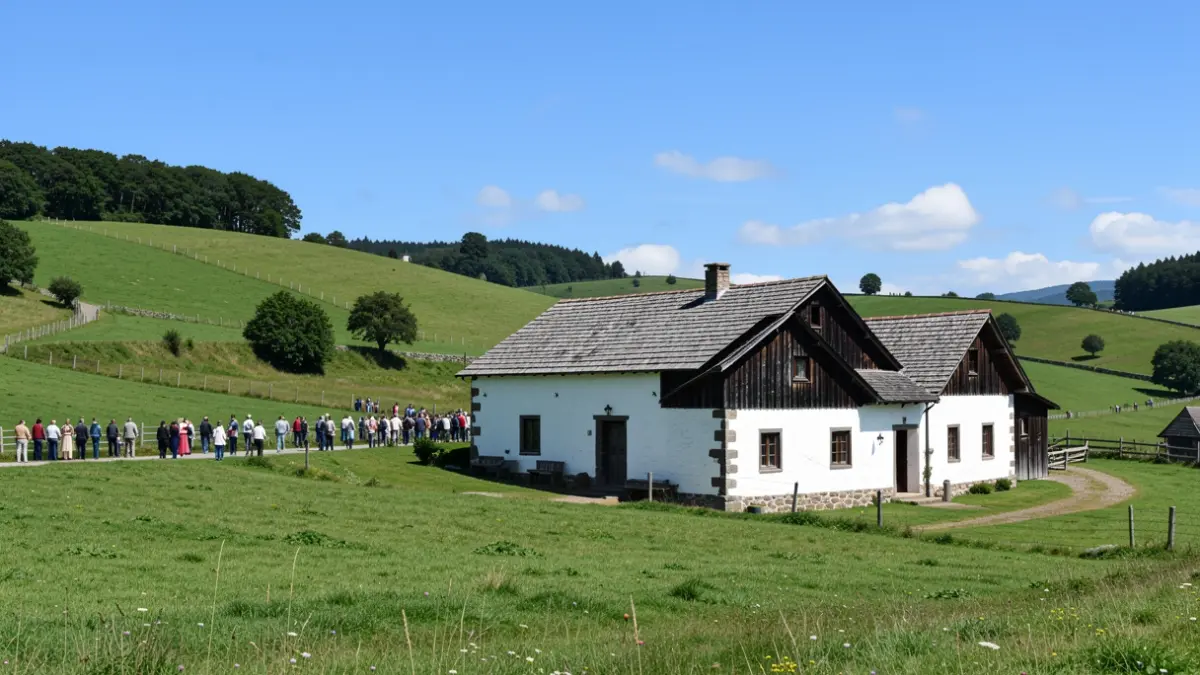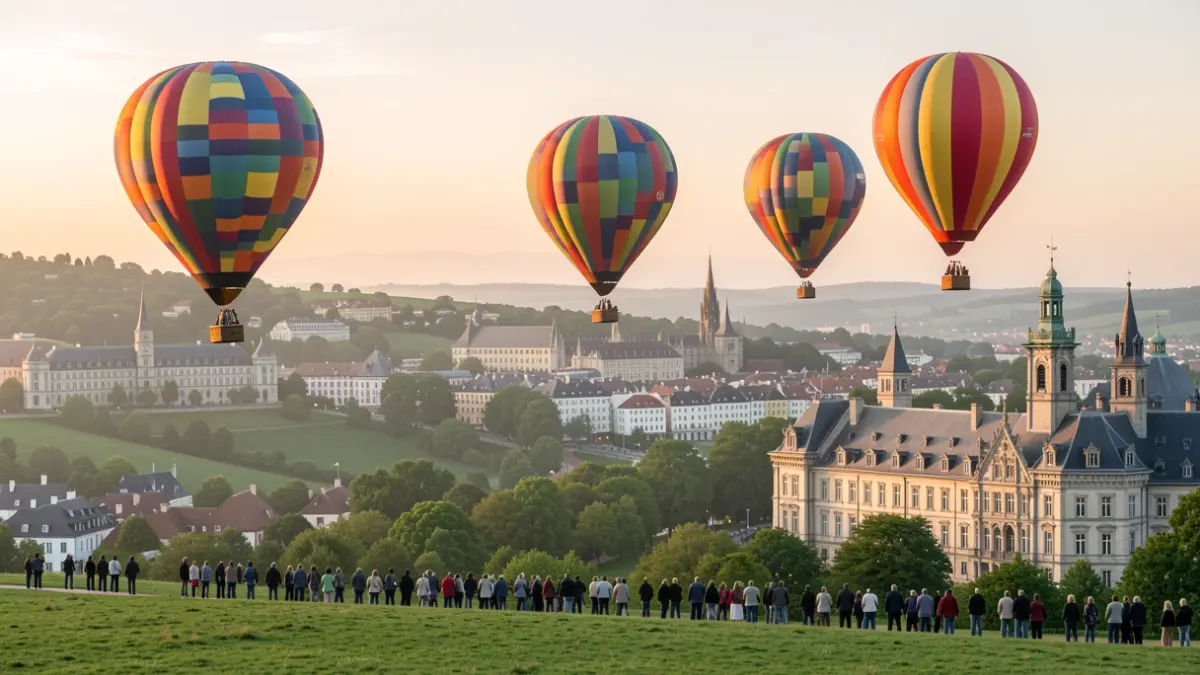
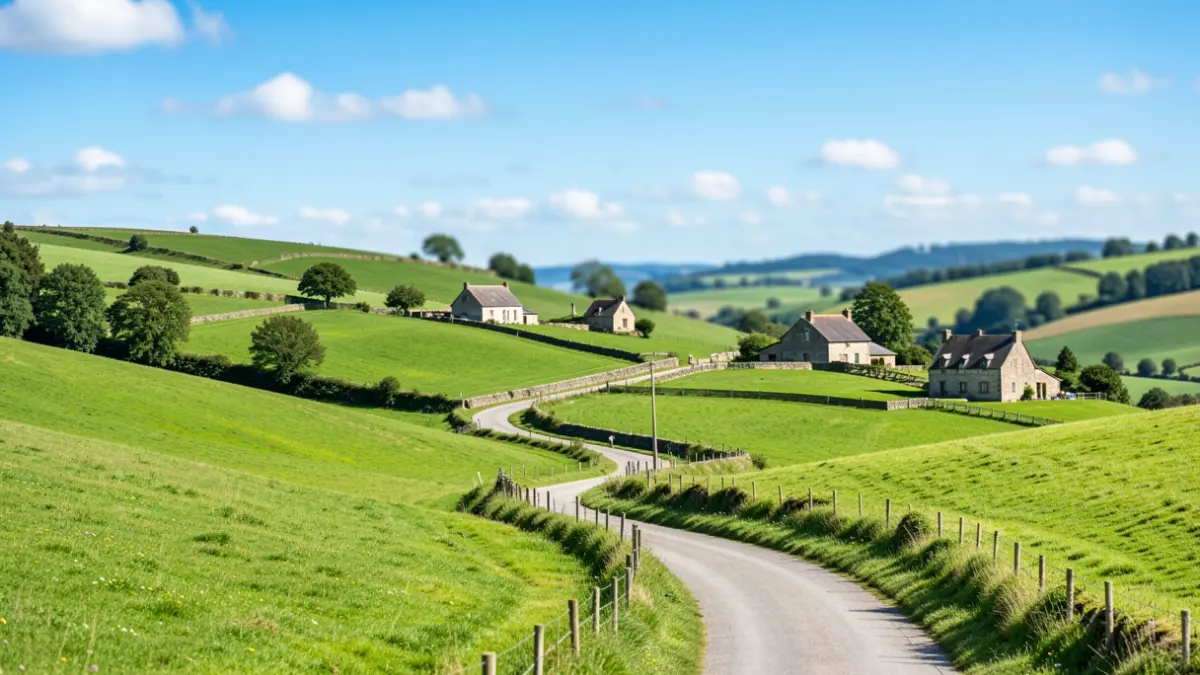
The Basque Country is proving to be an ideal rural destination, thanks to its diverse landscape and cultural offerings. From the Cantabrian coast to the green inland valleys, through territories surrounded by vineyards, natural parks, and small towns with strong character, the offering is as extensive as it is attractive. This mosaic, combining landscape, tradition, and gastronomy, holds a powerful appeal for those seeking to disconnect without traveling far.
In a context where proximity tourism and authentic experiences are gaining more weight, the Basque Country offers unique, well-preserved corners that are increasingly valued by both local and international visitors. March 2026 data reinforces this trend, showing a significant increase in rural accommodations: entries rose by 21.6% and overnight stays by 16.1%, totaling 10,852 travelers and 23,038 overnight stays.
Behind this growth, the weight of domestic visitors is particularly notable (83.1% of entries and 80.1% of overnight stays), although international tourism has also seen a significant increase of over 40%. Analyzing by territory, Araba stands out with the highest growth (53.4%), while Bizkaia also experienced a solid increase (30.2%), and Gipuzkoa, albeit at a slower pace, continues to attract the most travelers.
The average stay was 2.12 days, slightly shorter than last year, but occupancy rates have risen, reaching 22.7% of available rooms. This indicates a growing demand, strengthening the trend towards shorter but more frequent getaways and confirming the consolidation of rural tourism.
In the heart of Montaña Alavesa, Urturi is establishing itself as a destination of increasing prominence for those seeking rural escapes. Surrounded by nature and very close to the Izki Natural Park, this small village offers a privileged environment of forests, trails, and vast landscapes where silence and tranquility set the rhythm. In recent years, the improvement of rural accommodation offerings and their ability to combine authenticity with comfort have helped attract a traveler profile that prioritizes disconnection and contact with the environment.
In northern Navarre, the Baztan region has solidified its position as one of the leading references for rural tourism in the northern peninsula. Its landscape, characterized by gentle hills, green meadows, and scattered farmhouses, offers a distinctive image of a traditional yet vibrant Navarre. Towns like Elizondo, Erratzu, or Amaiur give identity to this territory, where architecture, gastronomy, and local traditions continue to hold significant importance in daily life.
According to Eustat's report, rural tourism in the Basque Country holds increasing weight within the overall accommodation offering, showing a positive trend and increasingly active demand. Beyond specific figures, the research reflects a clear evolution towards shorter but more frequent stays, with greater dynamism in traveler rotation and a growing diversification of visitor profiles. This type of tourism is consolidating as a real alternative to other more mass-market models.
In Bizkaia, rural tourism finds one of its strongest spaces in the Carranza Valley, one of the territory's most extensive and least urbanized areas. This valley is notable for its open character, green landscapes, and close ties to traditional livestock farming, which still sets the pace for many local farms. Far from the most touristy coastal areas, Carranza offers a calmer and more authentic experience, with hiking opportunities and a growing supply of rural accommodations.
In Gipuzkoa, one of the rural areas best reflecting this trend is Goierri, a territory nestled among mountains that combines green landscapes, small hamlets, and a strong cultural identity. The Aralar mountain range crosses the region, surrounded by traditional farmhouses. Towns like Ordizia, Beasain, and Zegama serve as gateways to a landscape that invites hiking, gastronomic tourism, and disconnection in a well-preserved environment, establishing Goierri as one of Gipuzkoa's most dynamic rural areas.
Overall, Eustat data confirms the consolidation of rural tourism in the Basque Country. The increase in entries and overnight stays, particularly in rural accommodations and tourist apartments, has occurred alongside a diversification of demand and a more balanced distribution among territories, reinforcing the idea of a tourism model that is less concentrated and more widespread throughout the region.