
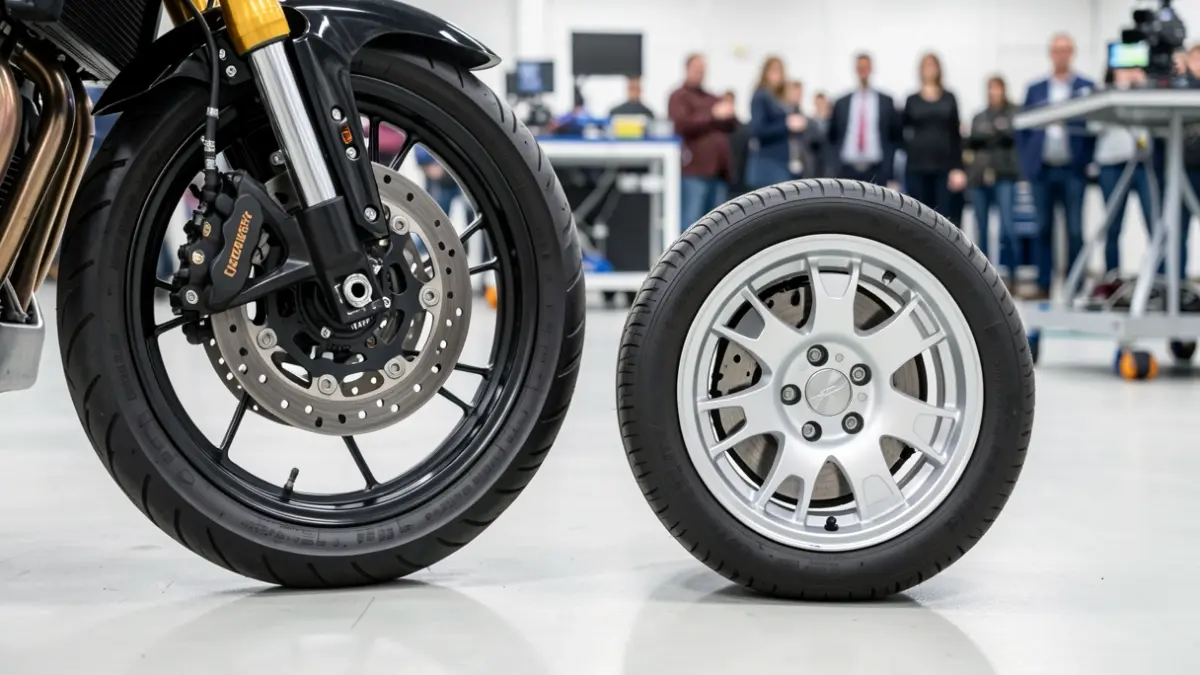
The Department of Industry, Energy Transition and Sustainability of the Basque Government has authorized the launch of an inspection service for motorcycles and mopeds at the Technical Vehicle Inspection (IAT) station in Irun (Gipuzkoa). The purpose of the dedicated bay is to optimize attention for this user segment and increase the station's overall operational capacity.
The Government has announced that this specialized space has been created as part of a project to enhance the capabilities of the Itelevesa group, one of the concessionaires of the IAT service in the Basque Country, with the authorization granted by the Department of Industry, Energy Transition and Sustainability.
Furthermore, within the project, a fourth universal inspection line for vehicles will be introduced in the coming weeks, thereby strengthening the service and adapting the station to the increasing volume of activity in the Bidasoa region.
The decision to create a new bay responds to a "clear operational reality," as motorcycles and mopeds represent a significant portion of inspections at the Irun IAT station. Throughout 2025, nearly 7,500 inspections of two-wheeled vehicles were conducted at the station, making it the leading facility in this segment, both within the Basque Country's station network and across the entire network operated by the Itelevesa group in Spain.
The establishment of an independent space has been driven primarily by high demand, as it will allow for a much more agile and efficient management of vehicle flows, streamlining the service for the entire station and improving the quality of service and attention for all users.