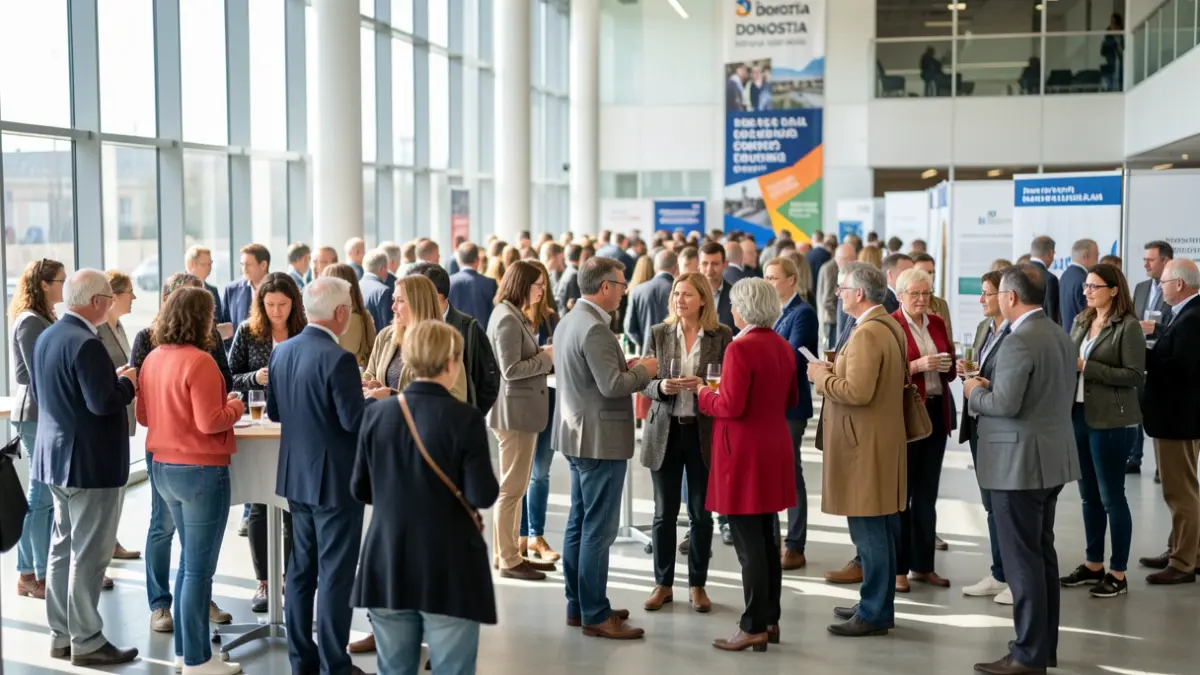
Donostia is hosting the III World Conference on Age-Friendly Cities and Communities until June 18, gathering representatives from over 60 countries. This event, promoted by the World Health Organization (WHO), is the main international meeting on age-friendly cities and communities. The conference is jointly organized by the WHO, Imserso, the Basque Government, the Provincial Council of Gipuzkoa, and the City Council of Donostia.
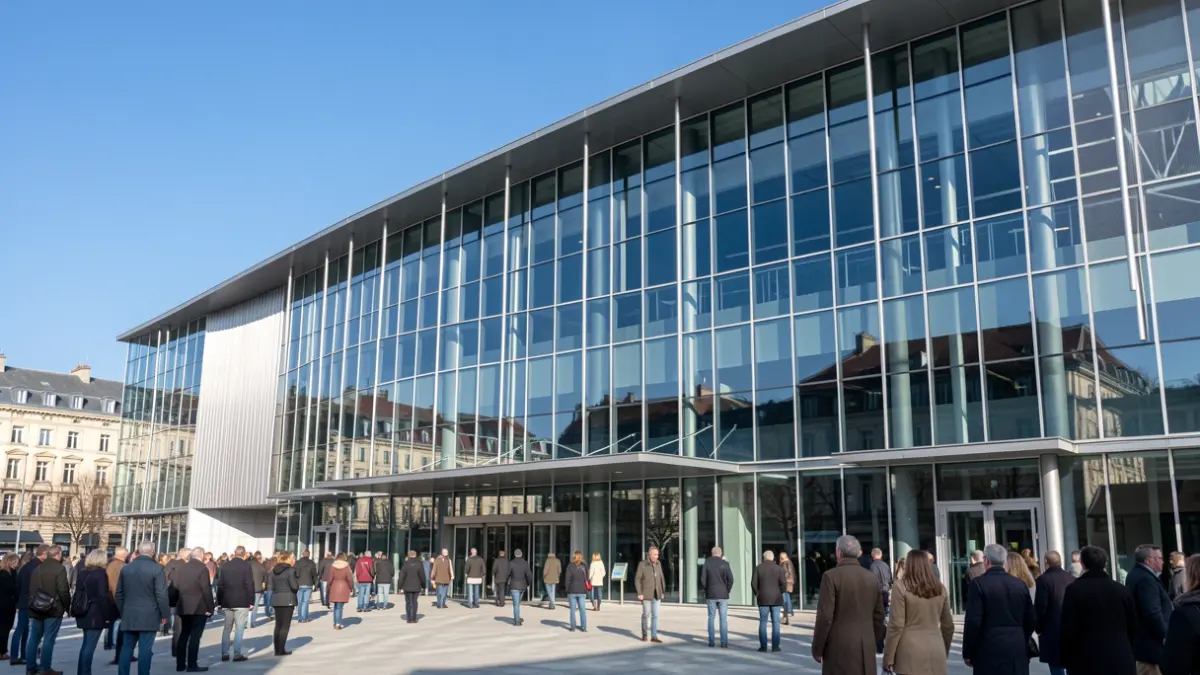
The Kursaal convention center is hosting institutional representatives, public officials, researchers, social organizations, and experts from over 1,700 cities and communities across more than 60 countries. The meeting aims to be a reference point for sharing knowledge, contrasting experiences, and advancing innovative responses to the key challenges associated with longevity, well-being, social participation, and care.
Under the theme ¡Transformando juntos! A world friendly to older people — connected, equitable, and sustainable for all generations, the conference will address issues such as social participation, community health, digital inclusion, accessibility, sustainability, care, combating loneliness, and building more age-friendly environments.
The conference's location in Donostia recognizes the years of work in Euskadi, Gipuzkoa, and Donostia to respond to demographic transformation from a perspective of friendliness, promoting autonomy, participation, and well-being. The Basque Government has promoted initiatives like Euskadi Lagunkoia, and Gipuzkoa is developing a comprehensive strategy for transforming care and strengthening community well-being.
Donostia has also played a pioneering role in the age-friendly cities movement, being the first city in the State to join the WHO's Global Network of Age-Friendly Cities in 2009. This commitment has led to various initiatives to promote the participation, coexistence, and quality of life of older adults.
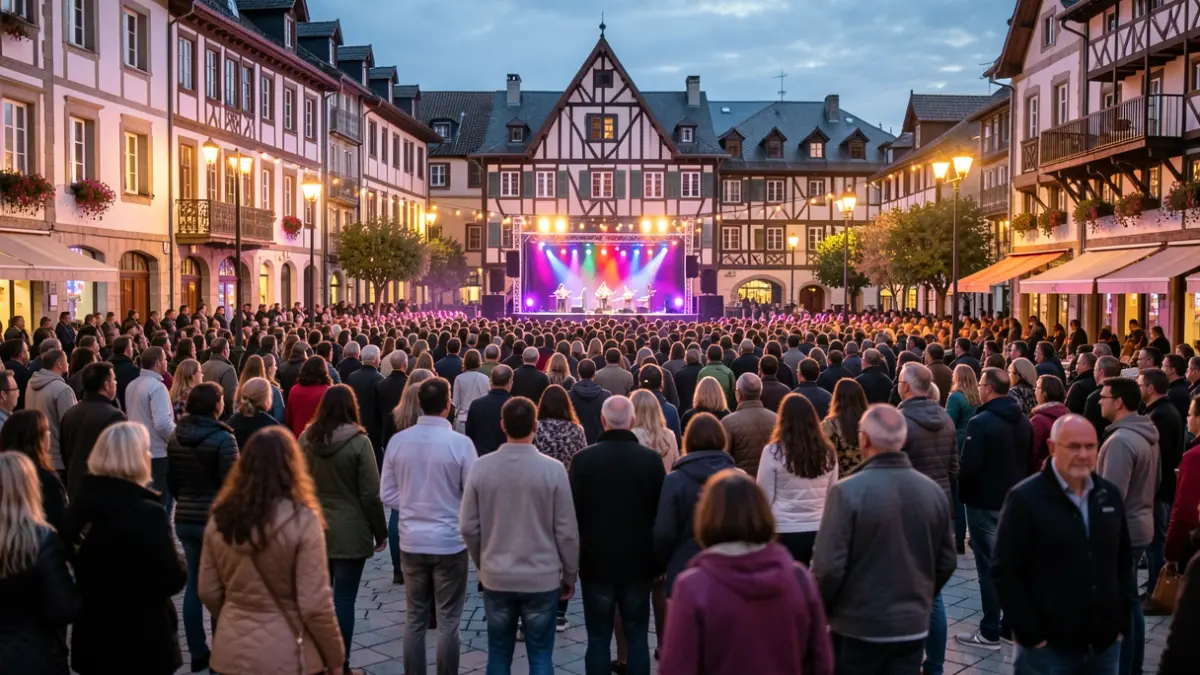
The conference, alongside the public space Lagunkoia Plaza, aims to bring the main debates on how we want to live and coexist in increasingly long-lived societies closer to citizens.