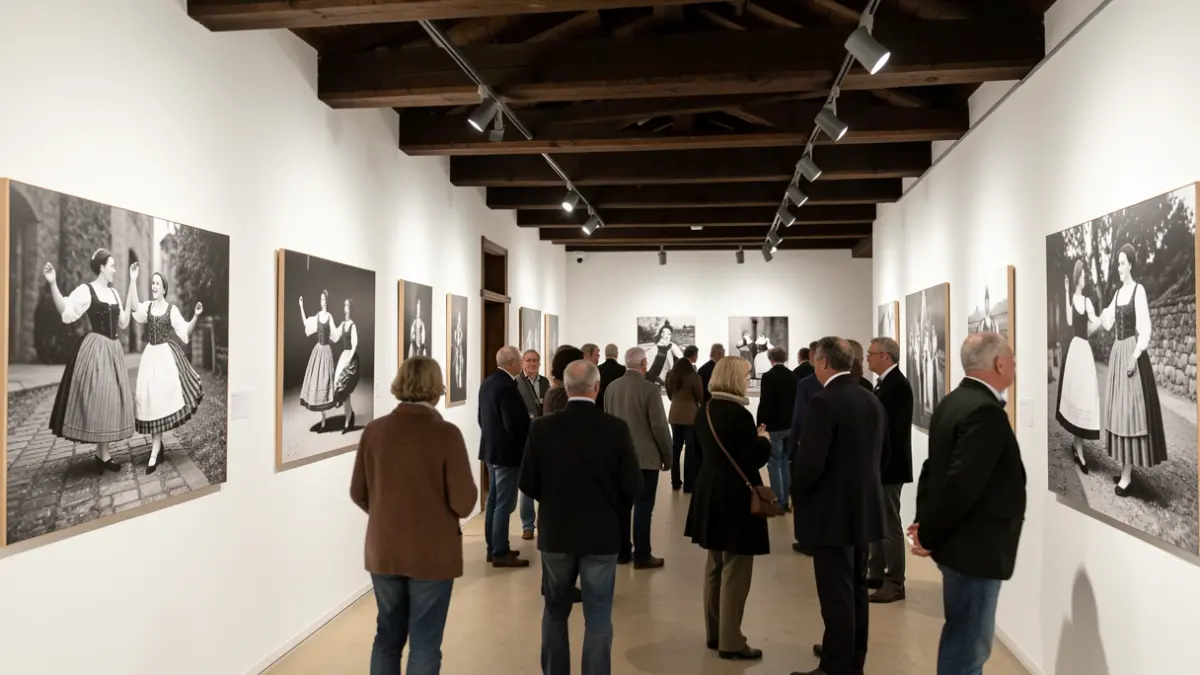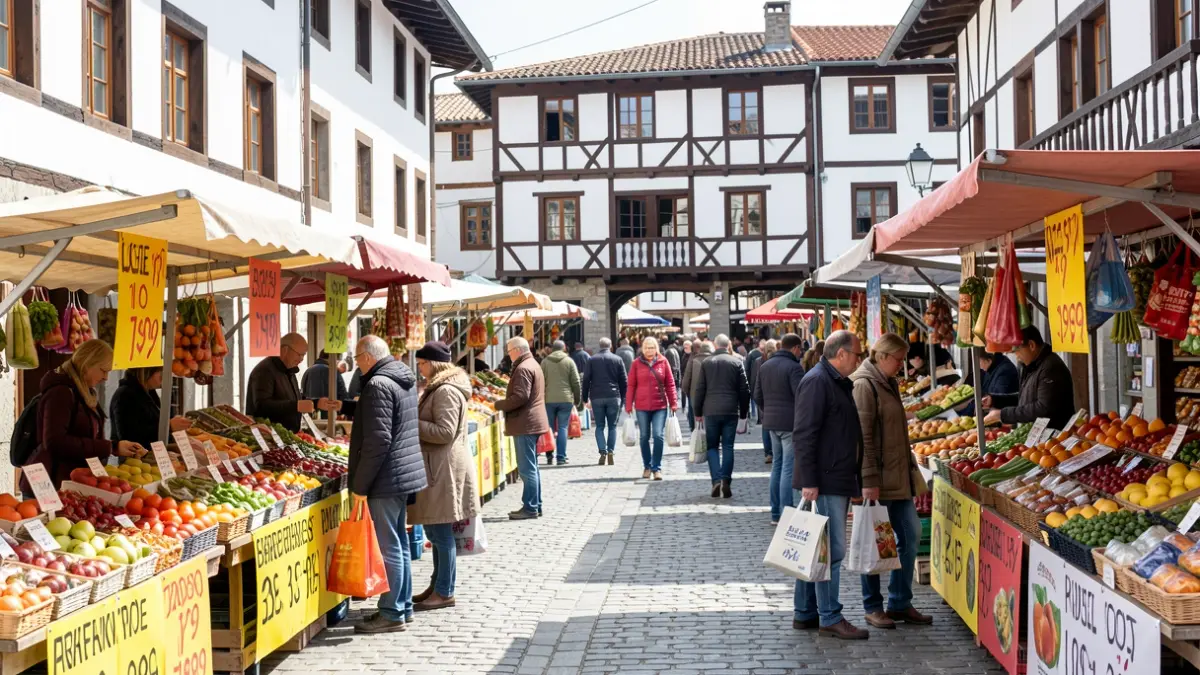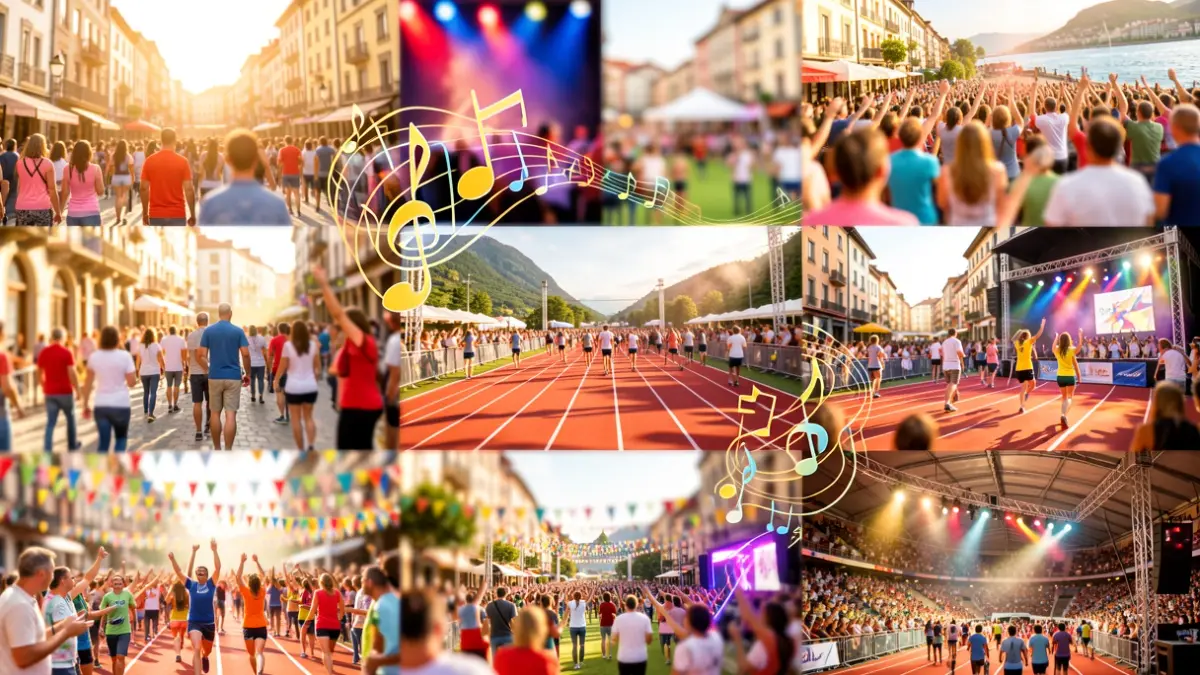
During the summer months, particularly in June and July, the city of Vitoria-Gasteiz is immersed in a whirlwind of events, festivals, and concerts. The summer in the capital is, in a way, defined as a "pure frenzy," where cultural and sporting programming is continuously maintained both outdoors and in venues.
This year's schedule is equally extensive. The Kaldearte festival has offered 32 companies and 58 free shows. Additionally, the Gazteklasika and Errota Anitza races have been other options. In the coming days, Azkena Rock and the Day of Music will be celebrated, with the Festival of Nations starting at the end of the month. In July, Aztarna Beltza, Jazzaldia, and the Day of Blusas and Nesken will take place, among others.
Neighborhood festivals are also a significant component. In June, those in Arana, Txago, Santa Luzia, Adurtza, and Ibaiondo have already been celebrated. Now, Judimendi and Arriaga are coming for San Juan, followed by the Old Town, Salburuua, and Aranbizkarra, the latter in July and autumn. In August, of course, the festivities of the Virgen Blanca will take place, with their substantial program.
In theory, summer and holidays are for resting and recharging, but the abundance of attractive events creates a constant call and stimulus. While it is important to have a diverse and accessible offering for people to enjoy culture, should it be with such "saturation"? Disconnecting is difficult in a medium-sized city, where events spread everywhere: in the streets, in the news, on social networks, and in conversations.
In adolescence, during the summer, there was even time to be bored. Vacations were longer, the offerings and plans were much fewer, and there was likely more calm. Nowadays, tranquility and peace are increasingly valued, as the antonym of frenzy.