The Datuetatik tiraka program on Goiena television has highlighted the continuous downward trend of the primary sector in recent decades. Data collected by Eustat for 2024 reveal the severity of the situation: out of 2,179 farms in Debagoiena in 1999, only 402 remain in 2024, representing an 81.5% decrease in 25 years.
A similar trend is observed across the entire Basque Autonomous Community, with a cumulative reduction of 76%. Although the decline in Gipuzkoa has been more moderate, at 72.5%, the figures for Debagoiena demonstrate that the drop in the region is particularly pronounced.
Despite the decrease in the number of farms, those that have survived have tended to grow. Land concentration is evident: the average area has increased from 12 hectares to 13.4 hectares. This indicates a structural change in the sector towards fewer but larger and more specialized farms, as diversified farmhouses have shifted towards specific practices.
Highly diversified farmhouses have shifted towards specific practices.
Behind this decline and transformation of the sector are multiple reasons. A technical manager from the Deba Garaia Rural Development Association explained that agricultural policies promoted by the European Union in recent decades have encouraged the specialization of farms, to the detriment of models based on diversification. Furthermore, land availability is increasingly limited, as industrial and urban expansion has reduced suitable agricultural land, and rising prices have made access difficult, especially for new generations.
Social changes have also had a direct impact. Eating habits and leisure models have transformed, and the culture of the farmhouse is no longer transmitted as before. To this must be added the influence of industrialization, which in Debagoiena, in particular, has offered more stable and attractive employment opportunities.
Currently, the sector's profile is aging. In Debagoiena, the average age of farm managers is 57.5 years, and most are men (74.5%), with female presence limited to 25.6%. These figures are concerning and highlight the risk of many farms ceasing activity; evidence of this is that only one new youth installation has been launched in all of Debagoiena in the last year.
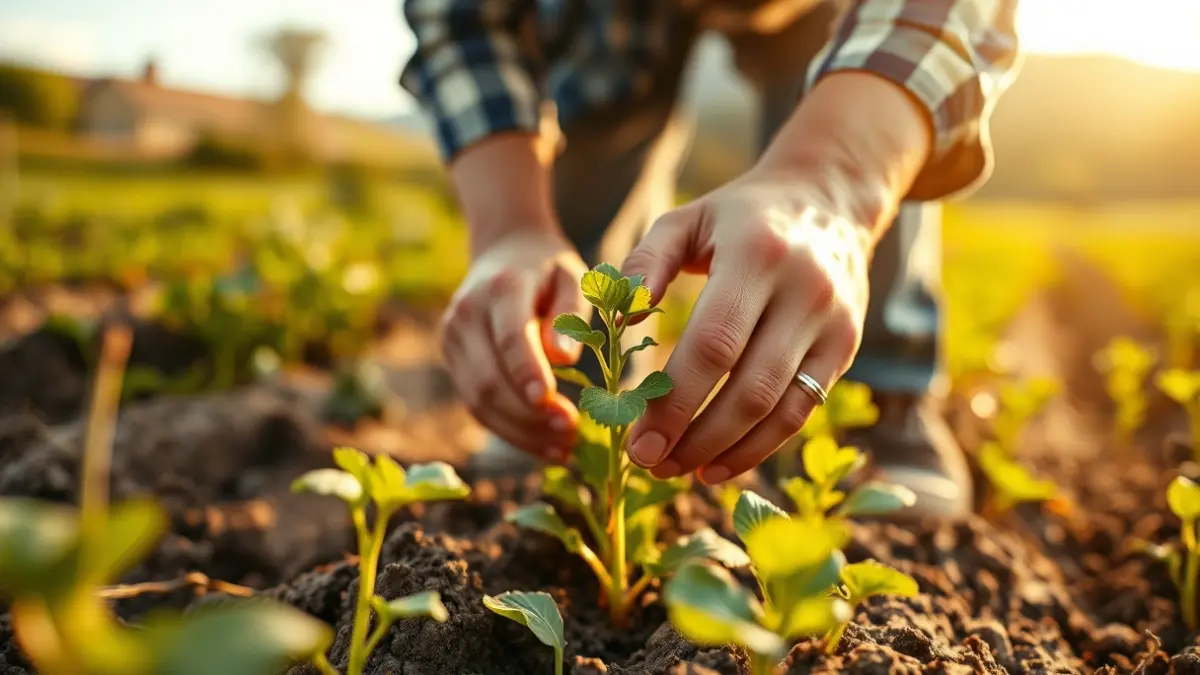
However, there are also signs of change in the sector. Recently, some young people have entered the sector, and the number of female owners has also increased. In the management model, compared to the predominant individual projects, collective initiatives are becoming more common, offering the possibility of improving working conditions, including easier management of substitutions and absences.
Recently, some young people have entered the sector and the number of female owners has also increased.
Looking ahead, the goal in the Basque Autonomous Community is to guarantee the future of 1,500 farms nearing retirement. Therefore, ensuring generational succession will be key, but experts place individual habits at the center. They state that the "most effective agricultural policy" is made by each person, as the daily choice to support local products directly affects the sector's survival.