The 16th edition of Irun's Dies Oiassonis festival has confirmed its growth as one of the city's major cultural and tourist events, attracting nearly 9,600 people to over fifty programmed activities. This figure represents a 28% increase from the previous year, solidifying the festival as a key summer cultural event in the Basque Country and reinforcing Irun's position as a city linked to its heritage.
The Mayor of Irun, Cristina Laborda, and the First Deputy Mayor and delegate for City Promotion and Economic Development, Nuria Alzaga, accompanied by the director of the Museo Oiasso, Aizpea Goenaga, and deputy director Juanjo Jiménez, presented an assessment of the event. Laborda highlighted that this year's edition surpassed the most optimistic forecasts, registering the highest public attendance in the history of Dies Oiassonis. "This data confirms that Dies Oiassonis is already part of Irun's identity. It is a festival born to value our heritage, and today it also revitalizes the city, fills our streets, and projects Irun far beyond our borders, positioning the city as a benchmark for Roman heritage," she stated.
Alzaga emphasized that "our objective has always been to demonstrate that heritage does not belong only to museums. It is also lived in the streets, in culture, in gastronomy, and in economic activity. Because heritage generates and builds a city, and the growth of Dies Oiassonis shows that this way of understanding heritage connects with more and more people."
The high level of citizen participation led to "sold out" signs for several activities, including the three sessions of the Roman Circus (600 seats per show) and the gastronomic contest, to which the Roman Dinner was added this year. Another notable event was the "Navigium Isidis," which gathered around 200 participants, slightly exceeding last year's record, and attracted approximately 2,300 spectators, a 44% increase.
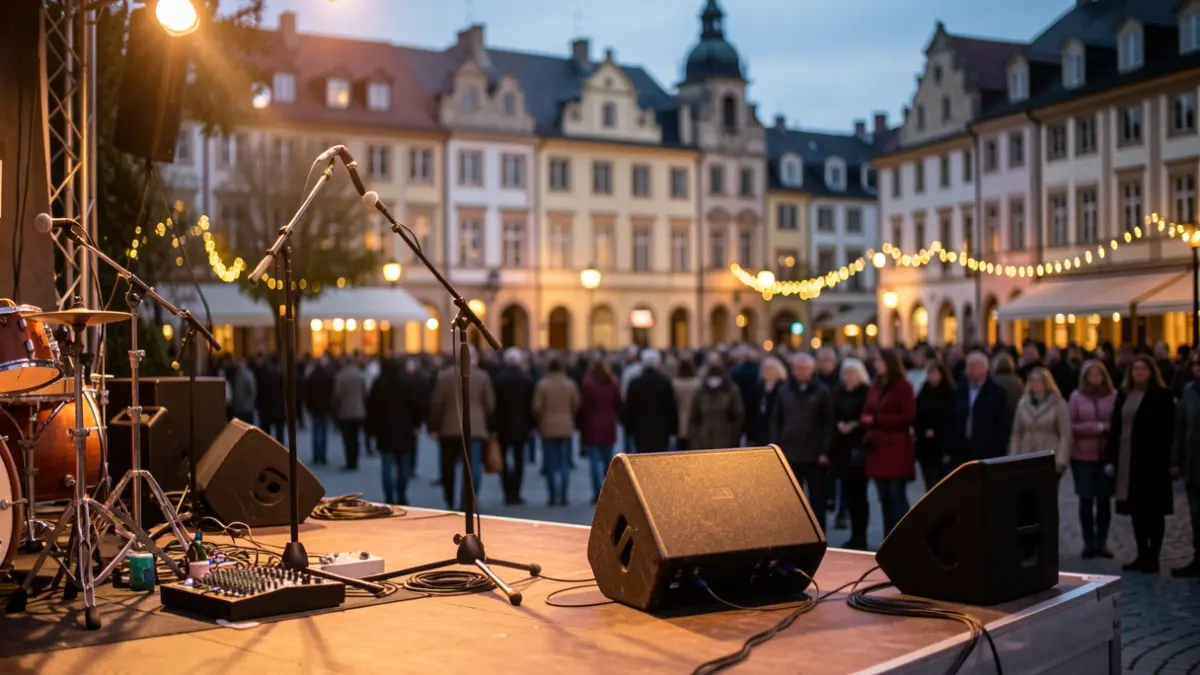
This year, Dies Oiassonis coincided with the 20th anniversary of the Museo Oiasso, reinforcing a cultural project that has made Roman heritage a key element of the city's identity and projection over two decades. The festival began on Tuesday the 14th at Amaia KZ with the play "Jasón y las Furias," attended by over 170 people. Outdoor public spaces were also utilized, such as the Plaza exterior of the thermal baths on Calle Sarasate, which hosted theatrical performances, a concert, and lectures, drawing more than 750 people.
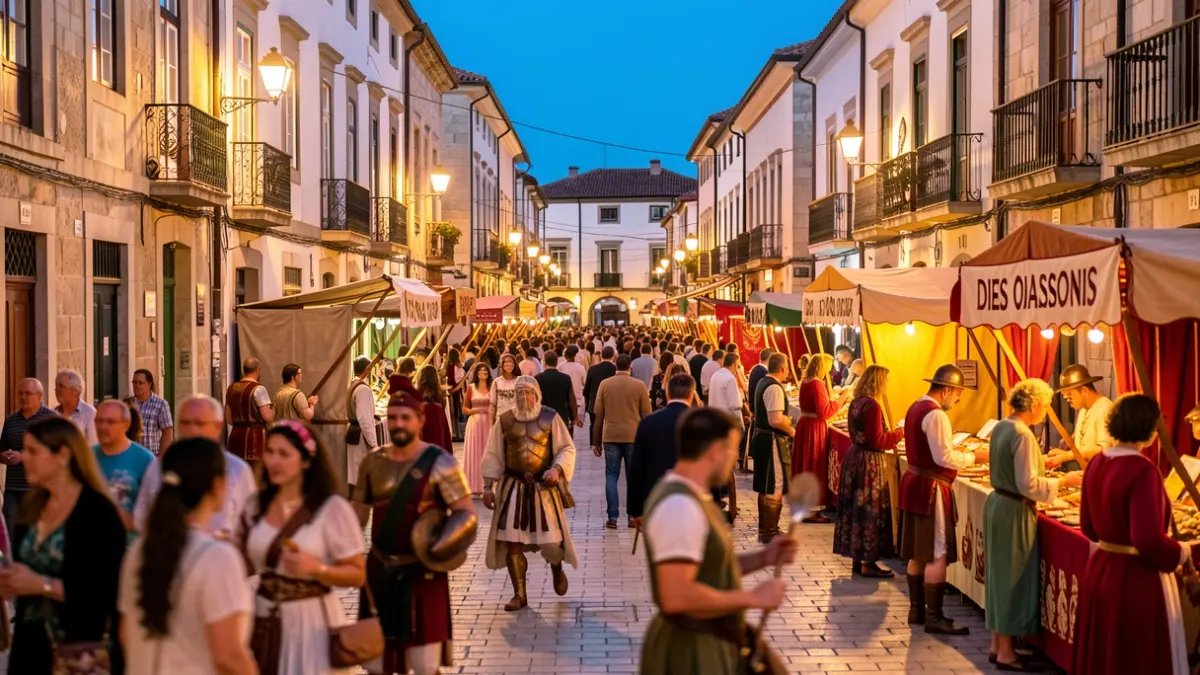
Plaza San Juan hosted historical reenactments, the screening of "Gladiator II" (160 spectators), and the successful "Circus Maximus" (up to 1,800 people across three sessions). The Museo Oiasso itself received over 1,500 visitors over the weekend, partly due to the "Ars Fatum" exhibition. The Roman Market, with around 70 stalls spread across Fermín Calbetón, Jenaro Etxeandía, and the Luis Mariano gardens, experienced its best year in sales.
In terms of gastronomy, the "Isicia Omentata" dish (a precursor to the modern hamburger) generated significant interest, with the Plaza Almudena Grandes consolidating as an ideal venue. The "Los grandes manjares de Roma" lectures and the Roman Pintxo Route (featuring twenty establishments) also received positive feedback. The "Convivium in Circus Romanus" event reached full capacity with 200 registered attendees.
Historical reenactment workshops, particularly those focusing on leather and ceramics, and the Roman Camp organized in Plaza Almudena Grandes, continue to be major family attractions. Approximately 2,000 people participated in these workshops over the weekend, further establishing Dies Oiassonis as a key meeting point for reenactors. The Irun City Council has initiated a study to measure the festival's economic impact, highlighting its role as a driver of economic activity.
The mayor concluded by reflecting on Irun's "brave" decision twenty years ago to transform its Roman heritage into a city project, the success of which demonstrates the generation of identity, economic activity, and projection for the city.