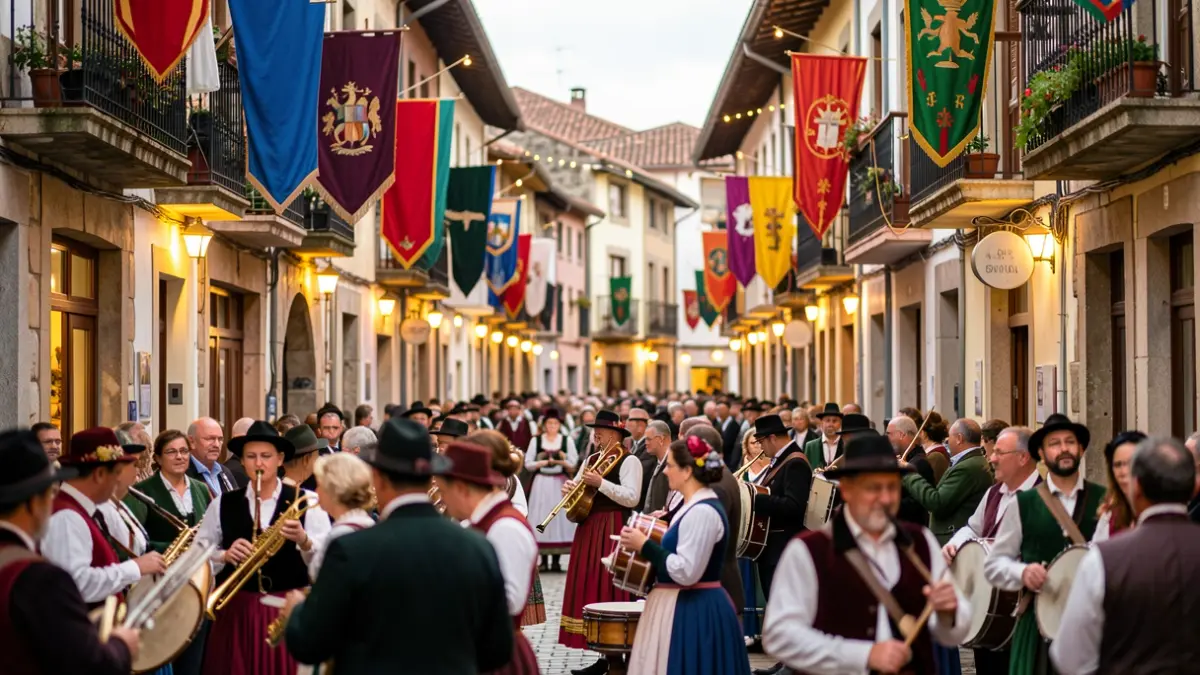
The Bidasoa Folk festival in Hondarribia will reach its twenty-fifth edition on August 21st, 22nd, and 23rd. The festival upholds its cross-border cooperation style, with a program this year that highlights artists renewing the traditional music of their territories. This year's edition features a novelty: a commitment to a 'strong day' aimed at encouraging citizen movement between localities. This significant day will take place in Hondarribia this year.
In the context of the festival's quarter-century milestone, the president of the Cross-border Consortium Committee, Nuria Alzaga, has acknowledged the work carried out over the years by the Bidasoa Activa team, which "makes this union possible between Hendaia, Hondarribia, and Irun through music and culture." A fusion "from the traditional to the most contemporary that uses culture as a tool and element of union."
Meanwhile, Estitxu Urtizberea, a member of the Cross-border Consortium Committee, has focused on the festival's evolution over the years, explaining in Basque that a recent reflection has been conducted on "which model we want to continue with." As a result of this dialogue, "we have seen that some changes need to be made, including ensuring the increasing presence of women."
Pascal Destruhaut, also a committee member, emphasizes the importance of the Bidasoa Folk, stating, "we are united by bridges and by people. We are nearly 100,000 inhabitants, and culture and language are important." From the Hendaia side, he estimates that "we need to promote the initiative more so that people cross the border and go to Hondarribia and Irun to listen to the concerts. We need to communicate it very well."
The strong day will unfold on the Arma Plaza stage in Hondarribia, featuring two women. The first, Julie Rouault, has been on the music scene for a relatively short time but "is being recognized for her originality." She composes her own songs and also sings traditional music. "She has a touch similar to French singer-songwriters of the 60s, 70s, and 80s," points out Martín.
The most widely known artist for the general public in this edition is likely María Terremoto, who will offer "pure but very contemporary flamenco." The repertoire of the "princess of cante jondo" – as she was dubbed by critics – ranges from traditional styles like bulerías, alegrías, and tangos to more fresh and current rhythms such as fusions and rumbas, all delivered with a powerful voice.
The final day on Sunday, August 23rd, in Irun, aims to unite "tradition with the contemporary and even the experimental," featuring the Galician duo Caamaño& Ameixeiras, who have "completely revisited the popular music" of their community. Josean Martín, who has had the fortune to witness their concerts, states that "it's impressive to see them live performing blues, electronic music, or accordion" with their own vocal pieces and brilliant arrangements.
Xabier Aburruzaga from Portugalete will present his latest work, titled 'Bask', on that day. It is "a compilation of traditional themes with European influences like Celtic" in which the trikitilari (basque accordion player) fuses traditional trikitixa with musical influences from around the world. To conclude the Bidasoa Folk 2026, the festival's artistic director will attempt to have the protagonists of the final day "have an encounter among themselves to see what results from it."
Josean Martín, the festival's artistic director, was asked during the presentation of this edition about the quarter-century milestone of a project that has featured, among many others, Benito Lertxundi, Ruper Ordorika, Kepa Junkera, Pedro Guerra, and Carlos Núñez. "More than as an organizer, I wanted to respond as a musician to extend my gratitude. Those of us who make this type of traditional or folk music feel marginalized because we are not in the major circuits. When someone supports these kinds of music, in this case three localities, it is greatly appreciated."
Beyond the artists, Martín points out that "the audience also appreciates it. People who generally do not have access to these types of music and see shows like these at the Bidasoa Folk realize all that they are missing."
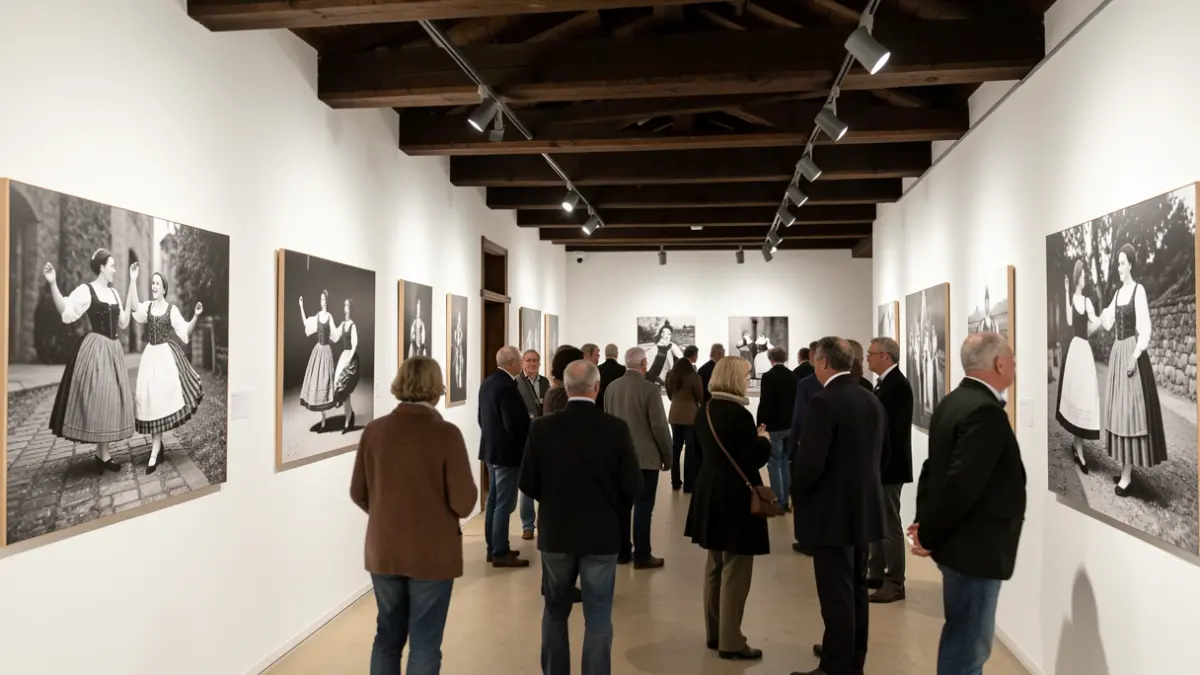
To mark the 25th anniversary, the Bidasoa Folk has prepared an exhibition of the various posters that have announced the event throughout its history. The exhibition can be visited at the Bidasoa Interpretation Center (avenida Iparralde, 63) until August 23rd.