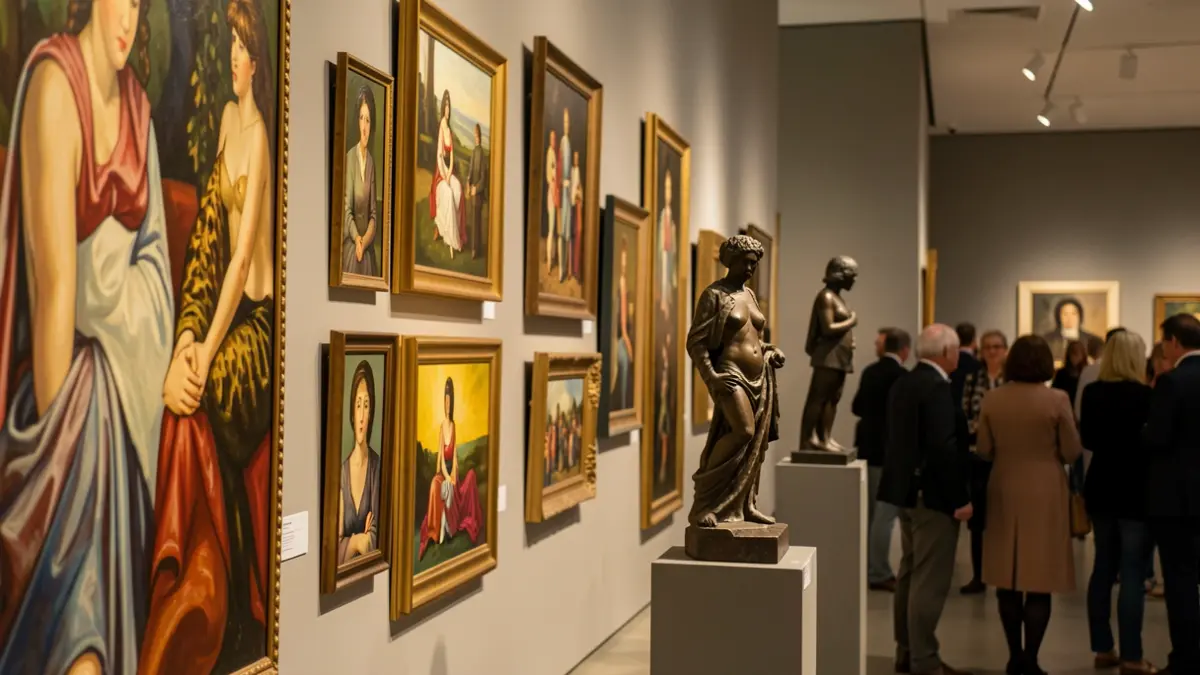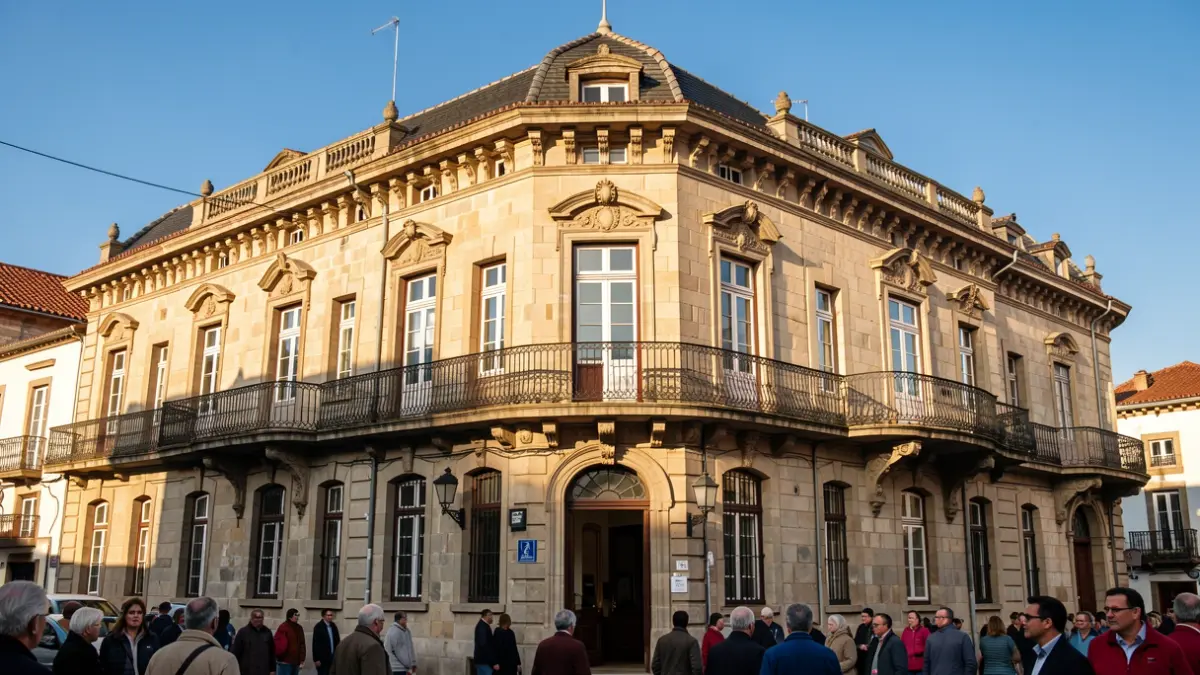
A motion, agreed upon by Elkarrekin Podemos IU, PNV, and PSE in the Culture Commission, urges the Provincial Council of Álava to install the plaque at the museum's entrance. This initiative aims to "transmit the historical memory of Álava and the truth about the origin of the Agustín Zulueta Palace".
The plaque will read: "This museum originates from the legacy of Julián de Zulueta, who amassed his fortune through the trade of African people and their slave exploitation in Cuba. A commemorative plaque in remembrance of the victims of this crime against humanity."
The plaque is scheduled to be unveiled on August 23rd, coinciding with the International Day for the Remembrance of the Slave Trade and its Abolition.
Representatives from the Plataforma Contrapunto Decolonial appeared before the commission today. They explained that the Álava Fine Arts Museum, along with nearby palaces, the chalets on Elvira Zulueta street, and the seminary in Vitoria, represent "just a small sample of the material legacy from the immense fortune accumulated in Cuba by Julián de Zulueta y Amondo, a resident of Anúcita, Álava, who emigrated to Cuba in the early 19th century".
According to this platform, Zulueta "was one of the major traffickers of people." It is estimated that he imported over 100,000 people to Cuba, in addition to hundreds of Chinese coolies in the late 19th century.